 Weekend Plant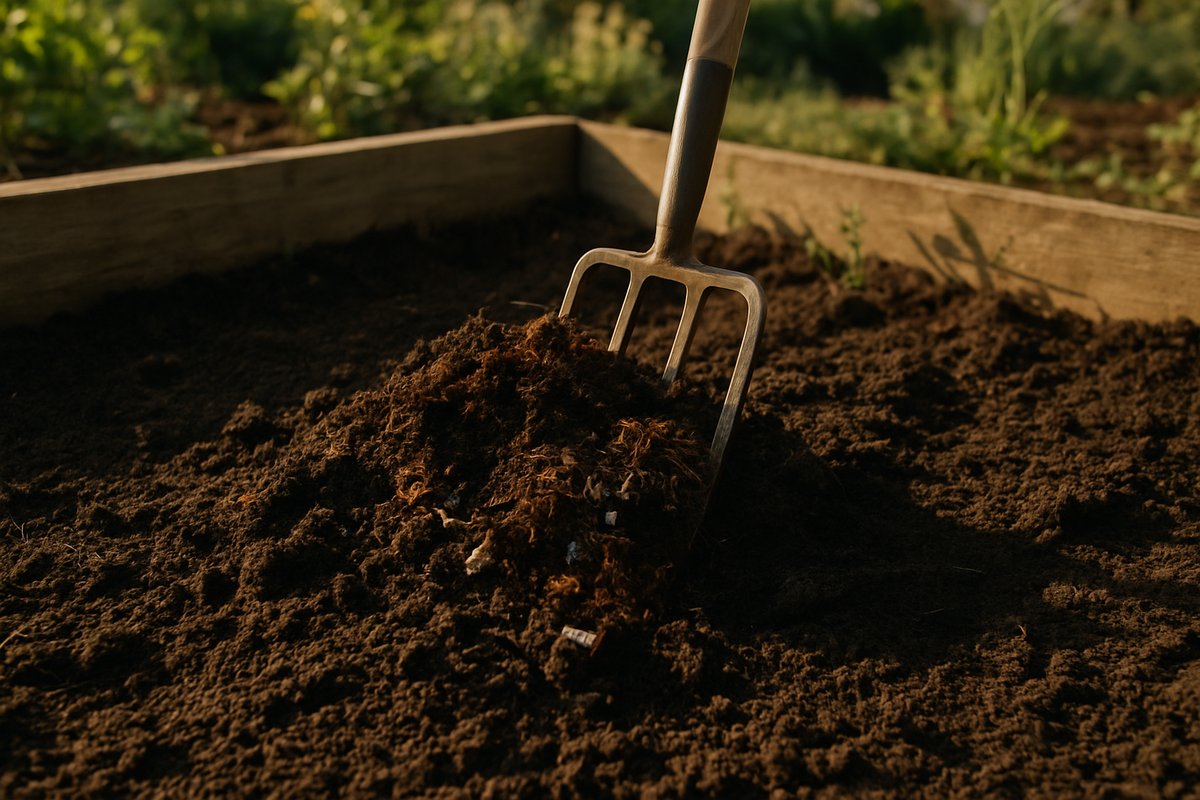
Soil Composition & Repair
Most garden problems start with soil nobody ever tested. Here's what good soil looks like, how to test yours at home, and how to fix the most common issues — all backed by USDA and university research.
What Soil Is (and Isn't)
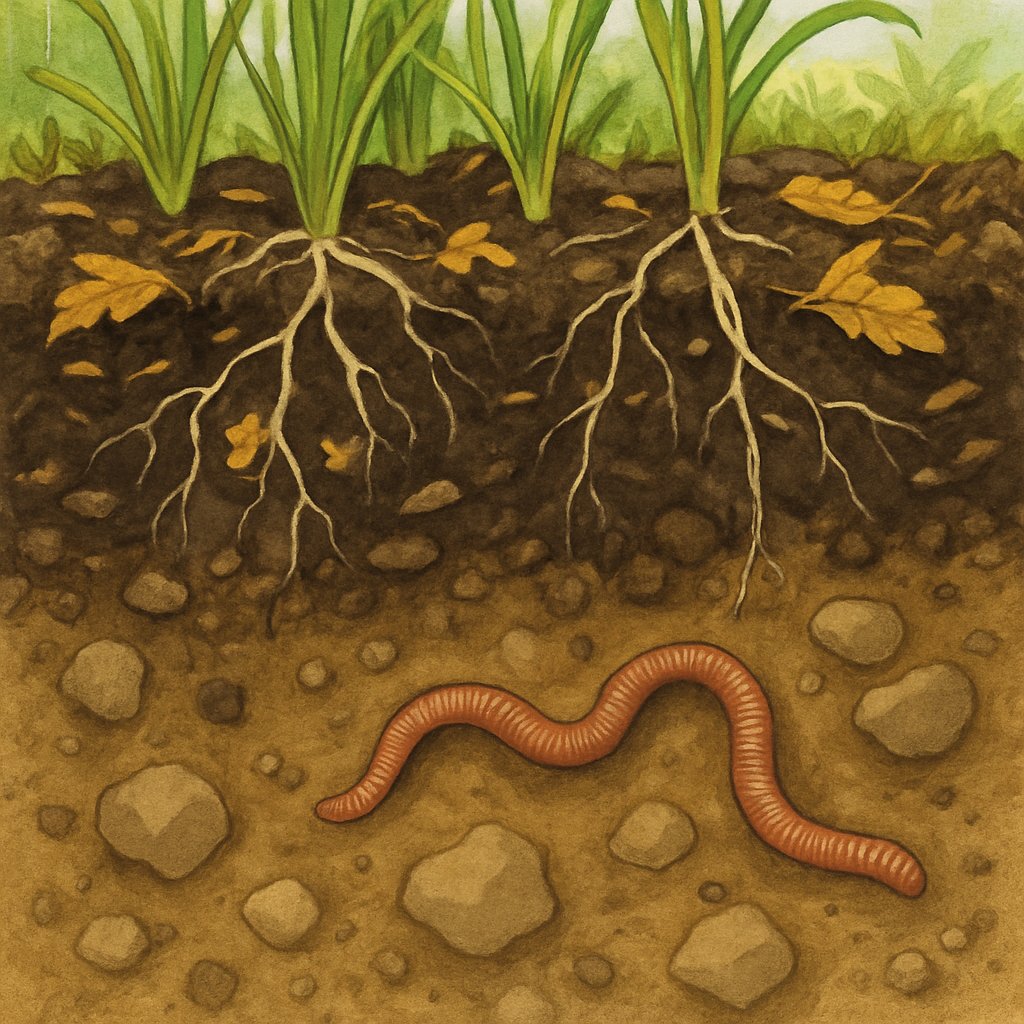
Healthy garden soil has four parts: minerals (sand, silt, and clay), organic matter, water, and air. About half of good soil is solid stuff. The other half is tiny spaces filled with air and water that roots need to breathe and drink.
The dirt in most yards isn't great garden soil. It's usually packed down, low in organic matter, and either too sandy or too heavy with clay. According to the USDA, good loam can hold 1–2 inches of water per foot of depth and keeps about 50% open space for roots.
The good news? You can fix your soil. You can't change the weather or how much sun your yard gets, but you can build better soil with the right additions and some patience.
Sand, Silt, and Clay — What's in Your Soil?
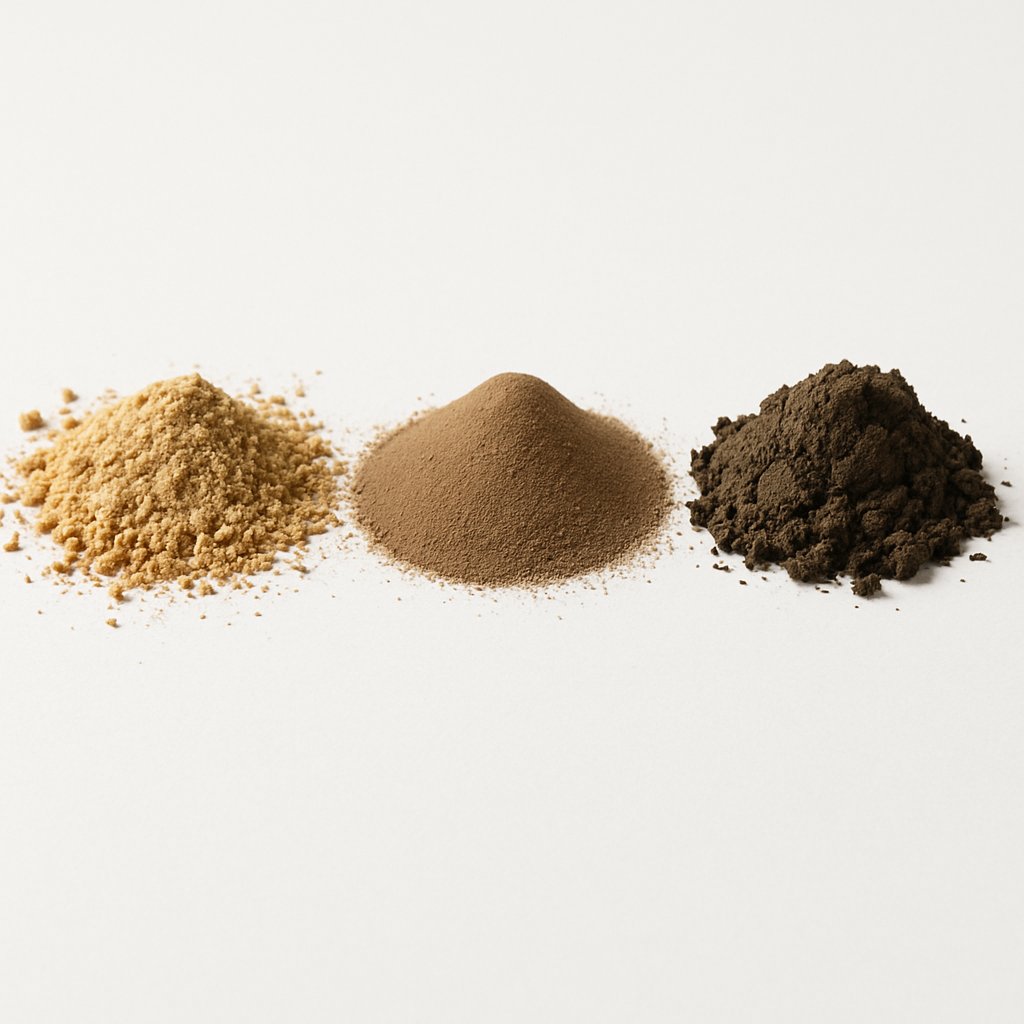
Soil is made up of three particle sizes: sand (the biggest and grittiest), silt (medium and smooth), and clay (the smallest and stickiest). Each one works differently in your garden.
Sandy soil drains fast and warms up quickly in spring, but it doesn't hold water or nutrients very well. Clay soil is the opposite — it holds onto everything but drains poorly and gets rock-hard when dry.
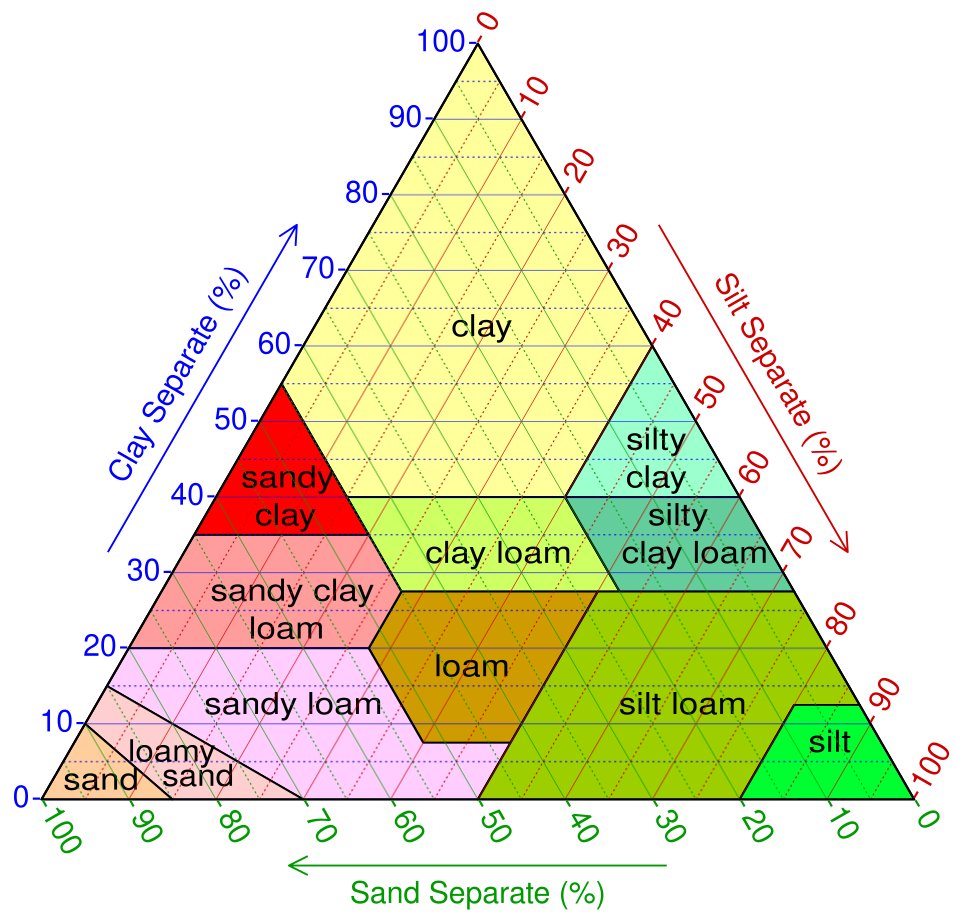
Loam is a balanced mix of all three, and it's what most gardeners want. It drains well enough to keep roots from drowning, but holds enough water and nutrients to keep plants fed between waterings.
The Jar Test — Find Out Your Soil Type at Home
You don't need a lab to figure out your soil type. The jar test is free, easy, and recommended by university extension services across the country.
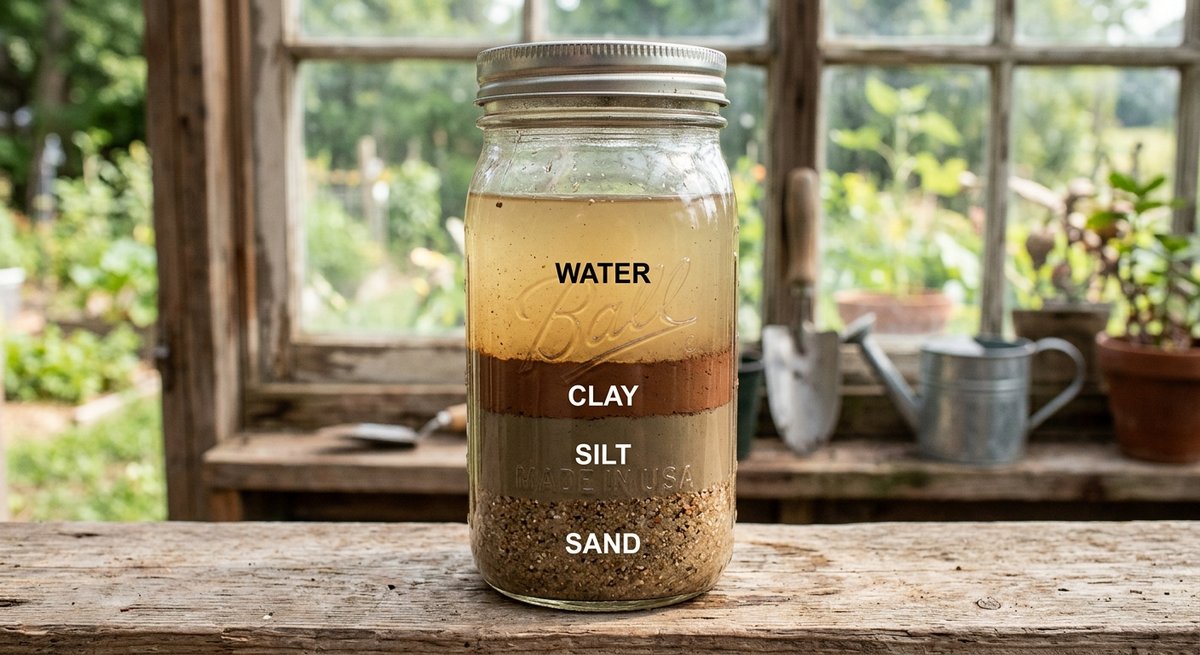
Here's how: Fill a quart mason jar about one-third full with garden soil (pick out any rocks first). Fill the rest with water, seal the lid, and shake hard for 2–3 minutes. Then set it down and wait.
Sand settles to the bottom in about a minute. Silt takes 4–6 hours. Clay can take 1–2 days. After 48 hours, measure each layer. If it's mostly sand, you need compost to help hold water. Mostly clay? You need compost to improve drainage. Either way, compost is the answer.
Organic Matter — The Easiest Thing to Improve
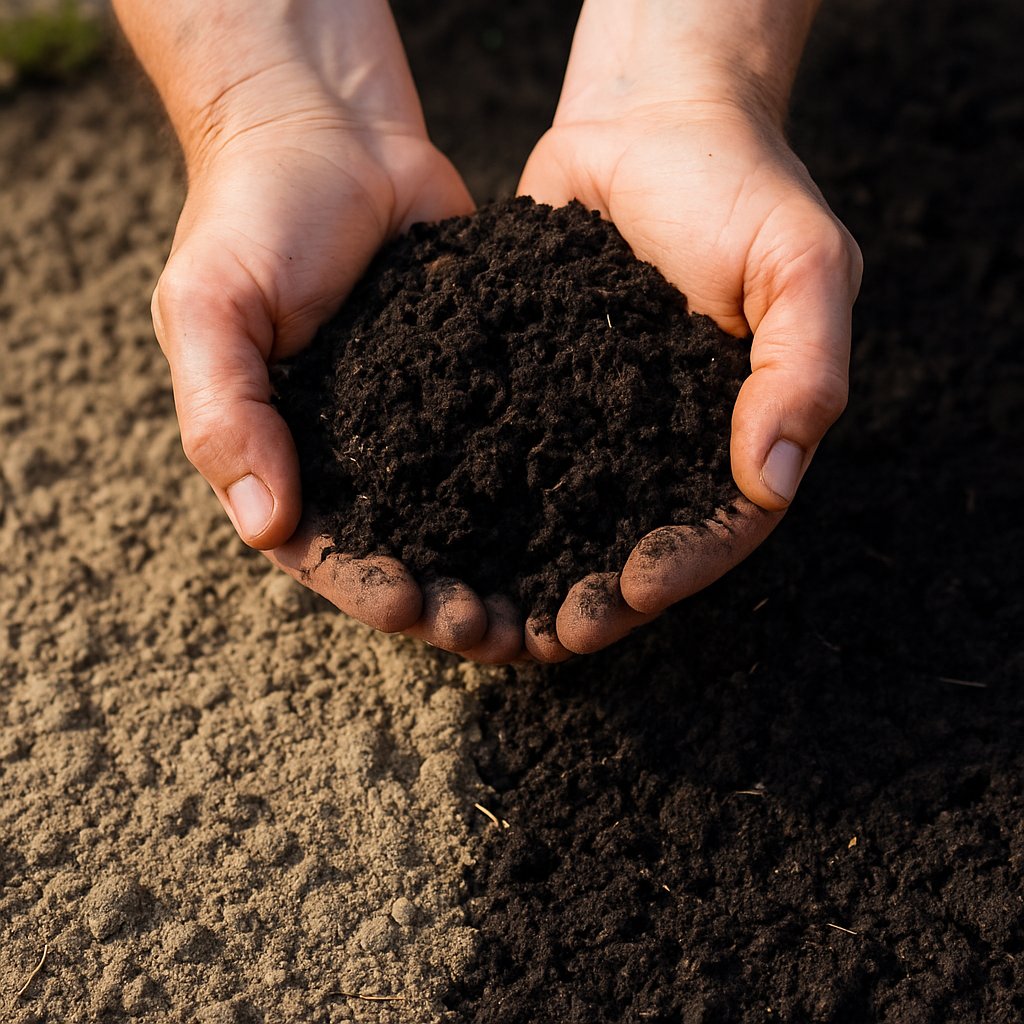
Out of everything in your soil, organic matter is the one thing you can change the most — and it makes the biggest difference. It feeds the living things in your soil, helps hold water, adds nutrients slowly, and keeps soil from clumping up.
Most yards have less than 2% organic matter. The USDA says you should aim for 3–5%. For raised beds, the University of Maryland recommends even more: 5–15% by weight.
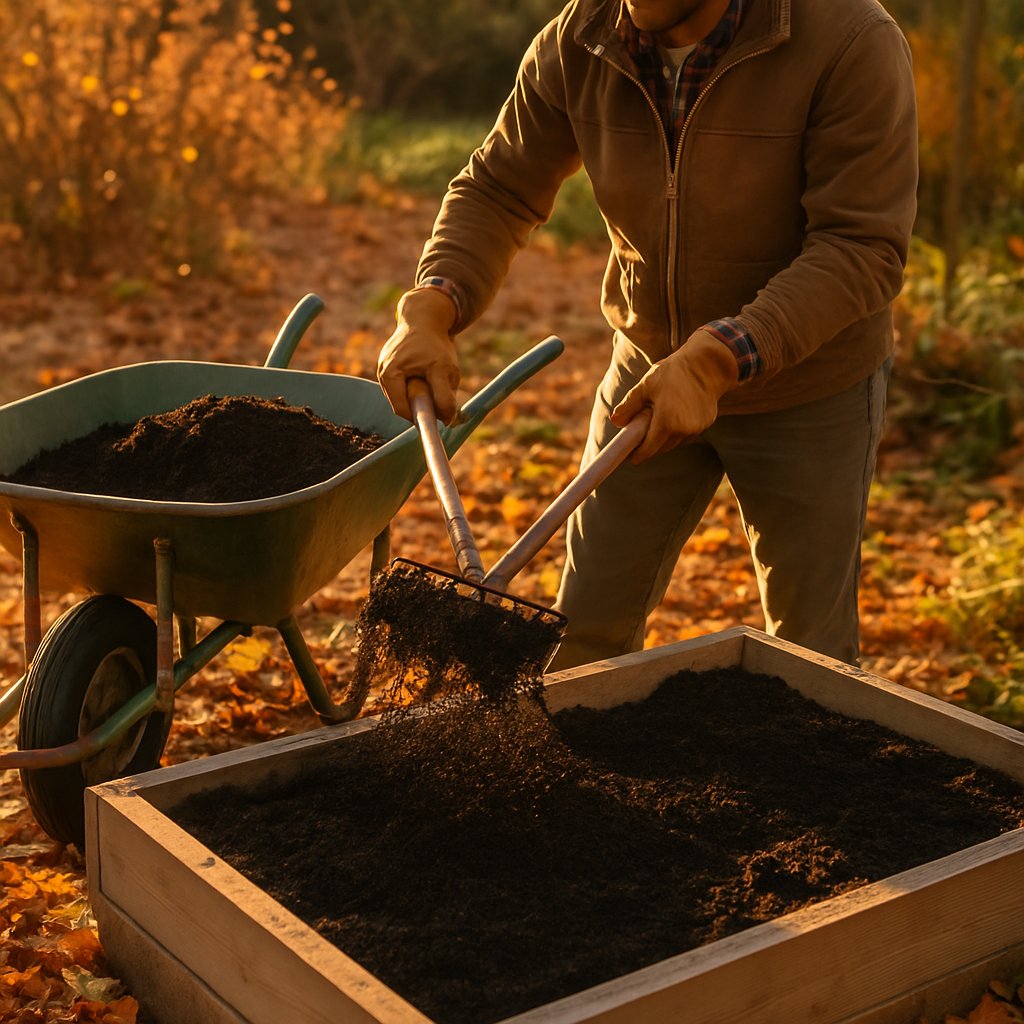
The easiest way to build it up? Spread 2–3 inches of compost on top of your beds every fall. You can also use aged manure, cover crops, or organic mulch. It takes 2–3 seasons to see a big change, but it's the single best thing you can do for your garden.
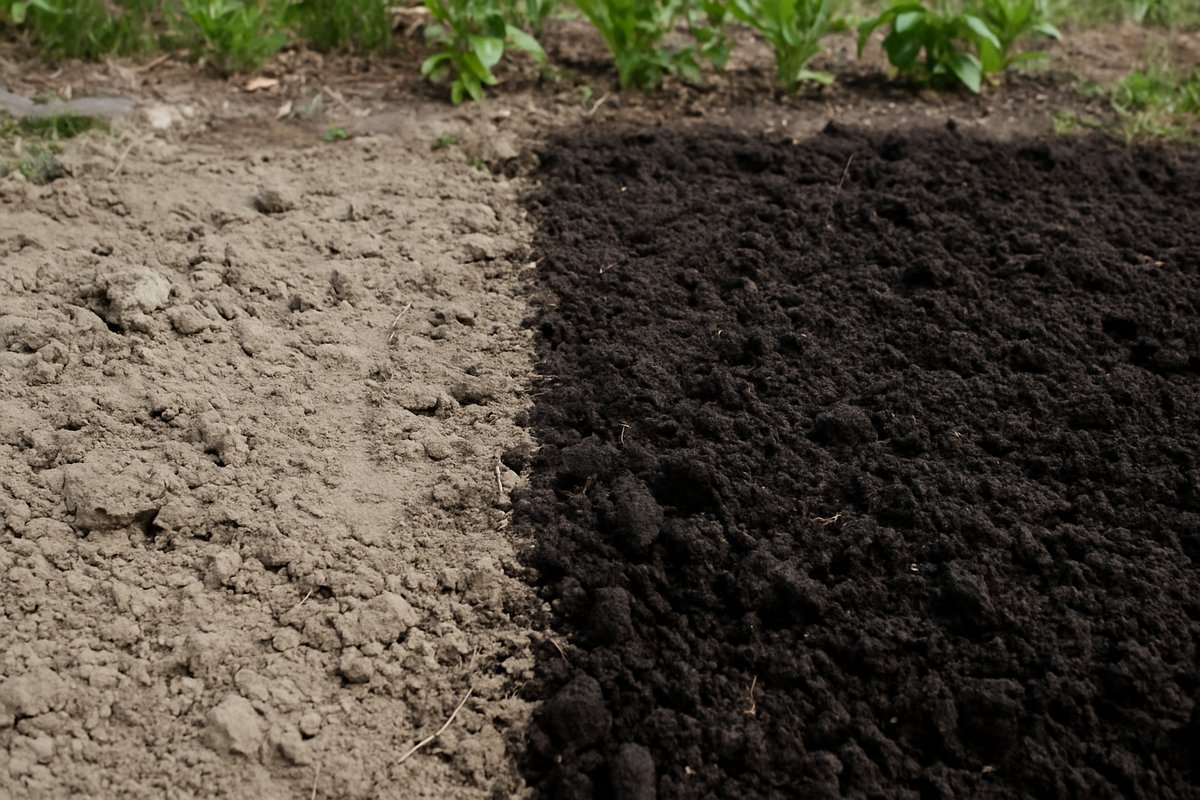
Keeping Your Soil Healthy Year After Year
Building good soil isn't a one-time job — it's something you do a little of every year. The best habit? Spread 2–3 inches of compost on your beds every fall. It feeds the soil through winter and everything's ready to go in spring.
Try not to till too much. Tilling can help break up compacted soil at first, but doing it over and over destroys soil structure, kills helpful fungi, and brings buried weed seeds to the surface. After you've added your first round of compost, let the worms mix things in for you.
Cover crops are another great tool. Plant them in fall after you harvest your vegetables. They protect bare soil from washing away, add nitrogen if you use clover or peas, and turn into organic matter when you cut them down in spring. Winter rye is one of the easiest to start with.