 Weekend Plant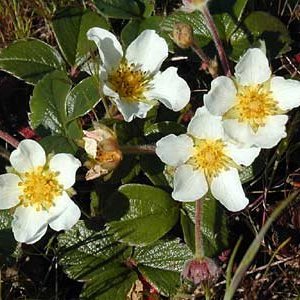
Beach Strawberry
Fragaria chiloensis — Rosaceae
Beach strawberry is a low-growing, spreading perennial strawberry prized for its attractive white flowers, glossy green leaves, and small red edible fruits. It makes an excellent groundcover for sunny to lightly shaded gardens, especially in coastal or sandy sites. For home gardeners, it offers both ornamental appeal and a sweet, wild-style harvest.
Growing data sourced from the USDA PLANTS Database. Hardiness zones reflect perennial survival — this plant may tolerate a wider range when grown as an annual.
How to Grow
Planting
Plant beach strawberry in a site with full sun to partial shade and well-drained soil. It performs especially well in sandy or loamy ground and tolerates coastal conditions better than many garden strawberries. Set plants or seedlings 12 to 18 inches apart to allow room for stolons to spread and form a dense mat. If starting from seed, sow shallowly in early spring and keep the seedbed evenly moist until germination.
Care
This is a slow-growing, stoloniferous perennial that gradually fills in as runners root along the soil surface. It is well suited to naturalistic plantings, edible groundcovers, and erosion-control areas. Remove weeds while plants establish so they do not compete for light and moisture. A light mulch of straw or leaf mold can help keep fruit clean and conserve soil moisture without smothering the crowns.
Watering
Beach strawberry has medium moisture needs and benefits from regular watering during establishment and fruiting. Once rooted, it shows moderate drought tolerance, but prolonged dryness can reduce flowering and berry production. Water deeply when the top inch of soil begins to dry, rather than applying frequent shallow irrigation. Avoid waterlogged sites, since this plant has no anaerobic tolerance and prefers freely draining soil.
Fertilizing
This species has a low fertility requirement, so avoid heavy feeding. Too much nitrogen can encourage leafy growth at the expense of flowers and fruit. Work a modest amount of compost into the soil before planting, and if growth seems weak, apply a light balanced fertilizer in spring. Keep soil pH in the mildly acidic to neutral range for best performance.
Pruning
Pruning needs are minimal for beach strawberry. Trim away dead leaves and spent flower stalks in late winter or early spring to freshen the planting and improve airflow. Runners can be left in place to create a thicker groundcover, or redirected and thinned if plants spread beyond their allotted space. Remove any damaged or diseased foliage promptly to help reduce pest and disease pressure.
Harvesting
When to Harvest
Harvest berries from spring through summer when they are fully red, fragrant, and slightly soft to the touch. Fruiting typically follows the early spring bloom period and may continue over several weeks.
How to Harvest
Pick berries by hand in the cool part of the day, gently pinching or snipping the stem just above the fruit to avoid bruising. Check plants every few days during the season, since ripe fruits are attractive to birds and can spoil quickly if left too long.
Storage
Use beach strawberries soon after harvest for the best flavor and texture. Store unwashed berries in a shallow container in the refrigerator for 1 to 3 days. Wash only just before eating, or freeze the fruit for later use in jams, desserts, or smoothies.
Common Problems
Slugs and snails
Cause: Moist conditions and dense groundcover provide shelter for these pests, which feed on leaves and ripening fruit.
Solution: Hand-pick at dusk, reduce hiding places, use barriers or traps, and keep mulch from directly touching crowns.
Gray mold
Cause: Cool, damp weather and poor air circulation can lead to fungal rot on flowers and fruit.
Solution: Space plants properly, thin excess runners, water at the base, and remove infected fruit and foliage promptly.
Bird damage
Cause: Ripening red berries are highly attractive to birds.
Solution: Cover plants with bird netting as fruit begins to color, and harvest promptly when berries ripen.
Root or crown rot
Cause: Poor drainage and overly wet soil can damage roots and crowns.
Solution: Plant in well-drained soil, avoid overwatering, and do not bury the crown when planting.
Leaf spot
Cause: Fungal pathogens can develop on foliage during wet weather or in crowded plantings.
Solution: Remove affected leaves, improve airflow, avoid overhead watering, and clean up plant debris at season's end.