 Weekend Plant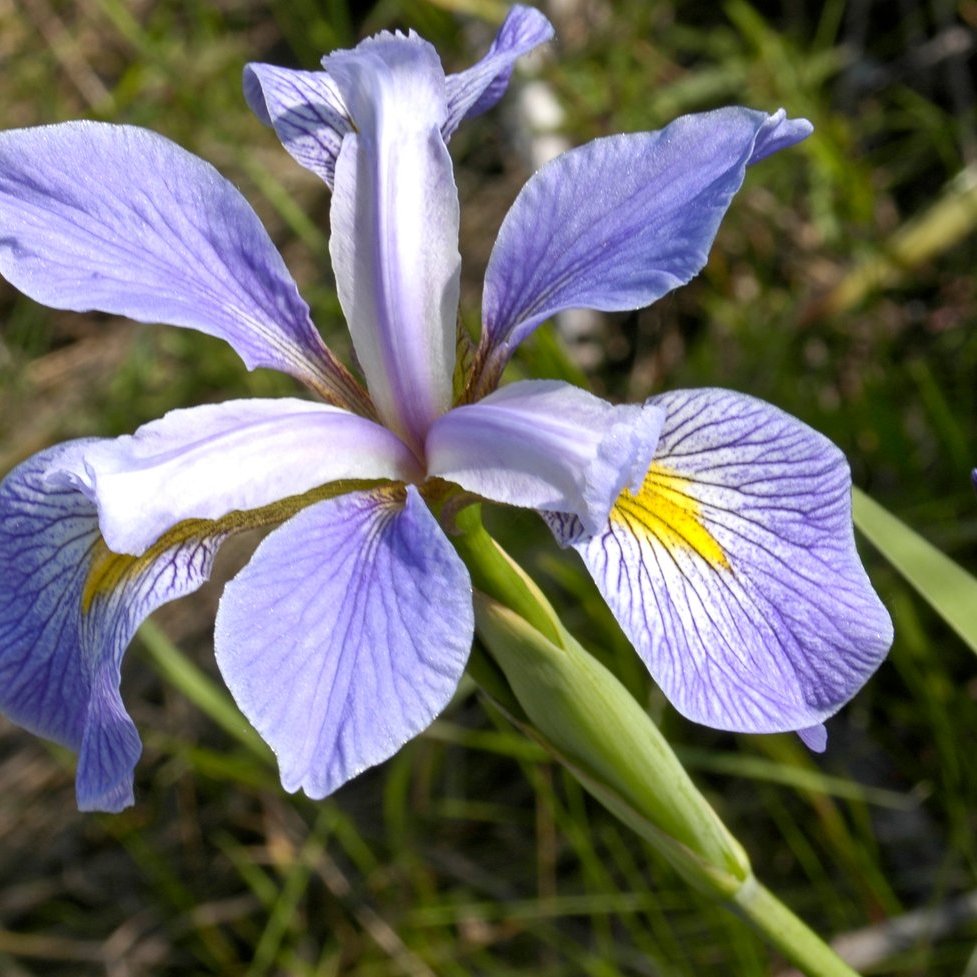
Blue Flag Iris
Iris versicolor — Iridaceae
Blue Flag Iris is a striking native perennial with elegant blue-violet flowers that brighten pond edges, rain gardens, and other consistently moist spots. Its sword-like foliage adds structure through the growing season, while the blooms attract pollinators and bring a natural meadow look to the garden. This plant is especially useful where many ornamentals struggle, such as wet or boggy soils.
How to Grow
Planting
Plant Blue Flag Iris in spring or early fall in a site with consistently moist to wet soil. It performs best in full sun to partial shade and is especially well suited to pond margins, bog gardens, and rain gardens. Set divisions so the rhizomes are just at or slightly below the soil surface, with the roots spread out beneath them. If starting from seed, sow shallowly and expect slower establishment than with division.
Care
This iris is a low-maintenance perennial when grown in the right conditions. It naturalizes gradually by rhizomes and can form attractive clumps over time without becoming difficult to manage in most garden settings. Remove dead foliage in late fall or early spring to keep the planting tidy and improve air circulation. Divide crowded clumps every few years to maintain vigor and encourage better flowering.
Watering
Consistent moisture is the key to success with Blue Flag Iris. Unlike many garden irises, this species prefers wet ground and can even tolerate shallow standing water for part of the year. Water regularly during dry spells, especially for newly planted divisions or seedlings. Do not allow the soil to dry out completely, as drought stress can reduce flowering and weaken the plant.
Fertilizing
Blue Flag Iris usually needs little fertilizer when planted in organically rich soil. A light application of compost in spring is often enough to support healthy growth and blooming. Avoid heavy feeding, especially with high-nitrogen fertilizers, because this can encourage lush foliage at the expense of flowers. In fertile wet soils, no additional fertilizer may be necessary.
Pruning
Pruning needs are minimal and mostly focused on cleanup. Remove spent flower stalks after blooming if you want a neater appearance or to prevent self-seeding. Cut back yellowing or damaged leaves as needed during the season, but leave healthy foliage in place to feed the rhizomes. In late fall or early spring, trim old foliage down close to the base before new growth begins.
Common Problems
Iris borer
Cause: Larvae tunnel into leaves and rhizomes, weakening plants and opening the door to rot.
Solution: Remove and destroy affected foliage and damaged rhizomes promptly. Clean up dead leaves in fall to reduce overwintering pests. Divide and replant only healthy sections.
Rhizome rot
Cause: Bacterial or fungal decay can develop in damaged or overcrowded rhizomes, especially where air circulation is poor.
Solution: Cut away soft, rotting tissue and discard severely infected plants. Replant healthy divisions with better spacing and keep the area free of decaying debris. Avoid wounding rhizomes during maintenance.
Leaf spot
Cause: Fungal diseases may cause brown or black spotting on foliage, particularly in humid conditions.
Solution: Remove infected leaves and improve airflow around clumps. Water at the soil level when possible rather than wetting the foliage repeatedly. Dispose of diseased plant material rather than composting it.
Poor flowering
Cause: Too much shade, overcrowded clumps, or drought stress can reduce bloom production.
Solution: Move plants to a sunnier location if needed and divide congested clumps every few years. Keep soil consistently moist through the growing season. Avoid excessive nitrogen fertilizer.