 Weekend Plant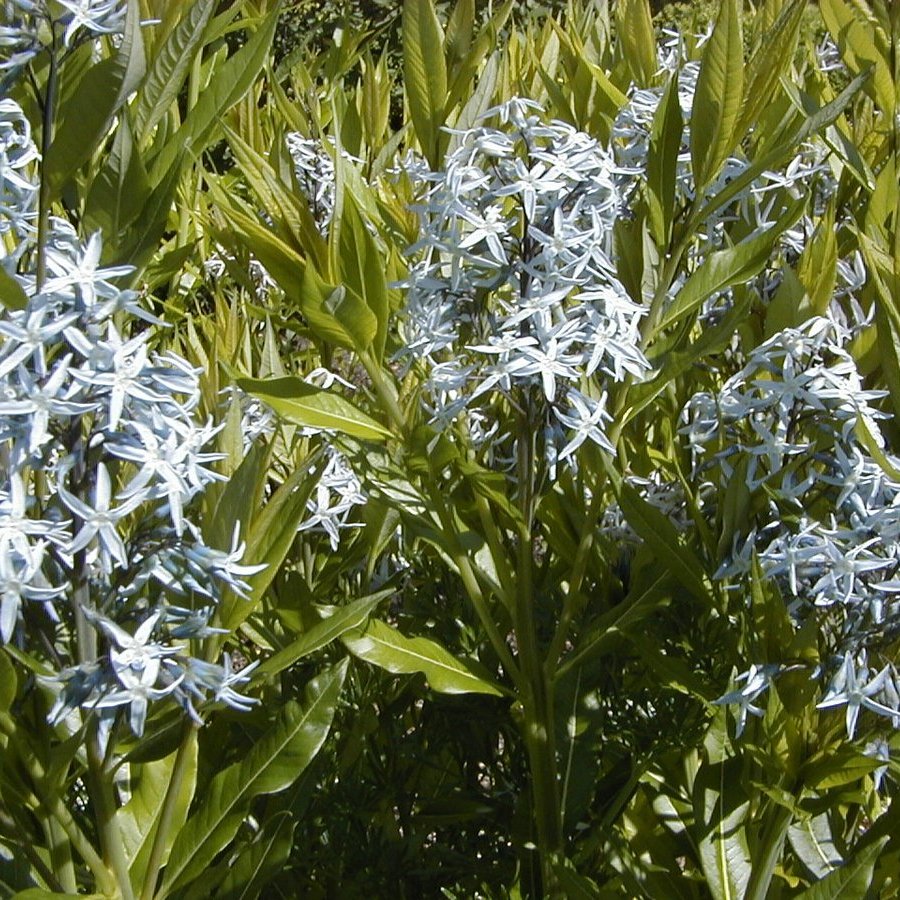
Bluestar
Amsonia tabernaemontana — Apocynaceae
Bluestar is a dependable native perennial grown for its clusters of soft, star-shaped blue flowers and its fine-textured foliage. It brings long-lasting garden value, blooming in spring and often turning a rich golden yellow in fall. Easy to grow and adaptable, it fits beautifully into borders, pollinator gardens, and naturalistic plantings.
How to Grow
Planting
Plant bluestar in a spot with full sun to partial shade and well-drained soil. It performs best when given enough room to develop its naturally rounded, bushy shape, so space plants about 2 to 3 feet apart. Spring is an ideal time to plant, allowing roots to establish before summer heat arrives. Although adaptable to different soil types, it prefers average garden soil that does not stay soggy.
Care
Bluestar is a low-maintenance perennial once established and is especially valued for its tidy habit and seasonal interest. It usually does not need staking, though plants grown in richer soils or too much shade may become a bit floppy. A layer of mulch helps conserve moisture and suppress weeds while keeping the root zone cool. This plant is also relatively resistant to deer and rabbits, making it a reliable choice for many gardens.
Watering
Water regularly during the first growing season to help the plant establish a deep, healthy root system. Once established, bluestar tolerates short dry spells, but it looks best with moderate, consistent moisture. Avoid overwatering or planting in poorly drained areas, as soggy soil can stress the roots. During prolonged hot or dry weather, occasional deep watering will keep foliage looking fresh.
Fertilizing
Bluestar generally does not require heavy feeding and often thrives in average garden soil. If growth seems weak, apply a light dose of a balanced, slow-release fertilizer in early spring as new growth begins. Too much fertilizer can encourage lush, floppy growth at the expense of the plant's natural form. Adding compost around the base each spring is often enough to support healthy growth.
Pruning
After flowering, you can lightly shear or trim the stems by a few inches to encourage a neater, more compact appearance. This is especially helpful if plants begin to sprawl later in the season. Leave the foliage in place through summer and fall to enjoy its texture and autumn color. In late fall or early spring, cut the plant back to the ground before new growth emerges.
Common Problems
Root rot
Cause: Poorly drained or waterlogged soil can cause the roots to rot.
Solution: Plant in well-drained soil and avoid overwatering, especially in heavy clay or low spots.
Floppy growth
Cause: Too much shade or overly rich soil can lead to weak, sprawling stems.
Solution: Grow in fuller sun and avoid excessive fertilizing; shear lightly after bloom to keep plants compact.
Leaf scorch
Cause: Extended drought or hot, dry conditions can cause browning at the leaf edges.
Solution: Provide deep watering during dry spells and apply mulch to help retain soil moisture.
Aphids
Cause: Small sap-sucking insects may gather on tender new growth in spring.
Solution: Spray plants with water, encourage beneficial insects, or use insecticidal soap if infestations are heavy.