 Weekend Plant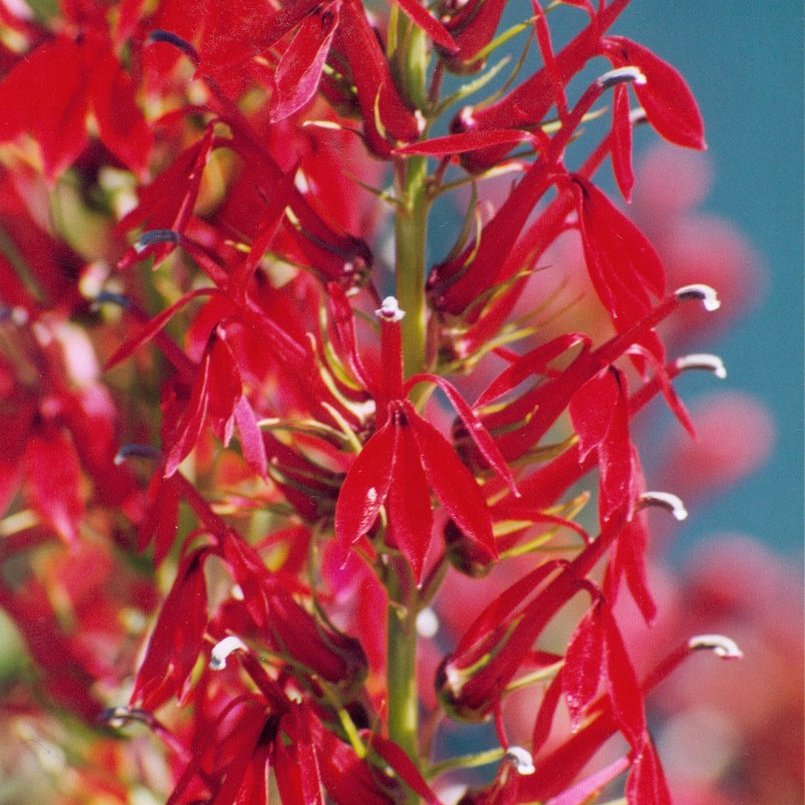
Cardinal Flower
Lobelia cardinalis — Campanulaceae
Cardinal flower is a striking native perennial prized for its tall spikes of vivid red blooms that light up damp garden beds in summer. It is especially loved by hummingbirds and fits beautifully into rain gardens, pond edges, and partially shaded borders. Despite its dramatic look, it is quite manageable for beginners when given consistently moist soil.
Growing data sourced from the USDA PLANTS Database. Hardiness zones reflect perennial survival — this plant may tolerate a wider range when grown as an annual.
How to Grow
Planting
Plant cardinal flower in spring or fall in a spot with rich, moisture-retentive soil. It grows best in full sun where summers are cool, or in partial shade in warmer regions. This species naturally occurs in wet meadows, streambanks, and low areas, so it performs especially well in rain gardens and along water features. Seeds are very fine and need light to germinate, so press them onto the soil surface rather than burying them deeply.
Care
Cardinal flower is a short-lived perennial, but it often persists in the garden by self-seeding when conditions are favorable. Leave some spent flower spikes in place if you want seedlings to appear nearby. Mulching around the base helps keep roots cool and soil evenly moist, which is especially important in hot weather. Because the plant grows upright on a single stem, it may benefit from shelter from strong wind in exposed sites.
Watering
Keep the soil consistently moist throughout the growing season, especially during establishment and summer heat. This plant is not a good choice for dry borders or spots that regularly bake out between waterings. Although USDA lists its moisture use as low, in garden conditions it performs best where moisture is dependable and the soil does not dry completely. Water deeply whenever the top layer of soil begins to dry, and avoid prolonged drought.
Fertilizing
Cardinal flower does not need heavy feeding, but it appreciates moderately fertile soil. Work in compost before planting to improve soil structure and provide a steady nutrient supply. In average garden soil, a light application of balanced fertilizer in spring is usually enough. Avoid overfertilizing, which can encourage weak, floppy growth instead of sturdy flowering stems.
Pruning
Remove faded flower spikes after blooming if you want a tidier appearance, but leave a few in place if you hope for self-sown seedlings. Cut back dead stems in late fall or early spring once the plant has gone dormant. If stems lean or flop, staking can help keep the display upright. Routine pruning is minimal, making this an easy perennial to maintain.
Common Problems
Leaf scorch or wilting
Cause: Soil drying out too much, especially in hot sun or during summer drought
Solution: Keep soil evenly moist, add mulch, and move or plant in partial shade in hotter climates.
Crown rot
Cause: Poor air circulation combined with overly stagnant, waterlogged conditions around the crown
Solution: Plant in moisture-retentive but oxygenated soil, avoid burying the crown, and space plants properly.
Slug and snail damage
Cause: Moist growing conditions attract slugs and snails that chew tender foliage
Solution: Hand-pick pests, use barriers or traps, and reduce hiding places around the plants.
Short lifespan or disappearing plants
Cause: Cardinal flower is naturally somewhat short-lived and may decline in dry or stressful conditions
Solution: Allow plants to self-seed, divide young offsets when present, and maintain consistently moist, fertile soil.
Powdery mildew or leaf spots
Cause: Humid weather and crowded plantings with poor airflow
Solution: Space plants well, water at the base, and remove badly affected foliage to improve air circulation.