 Weekend Plant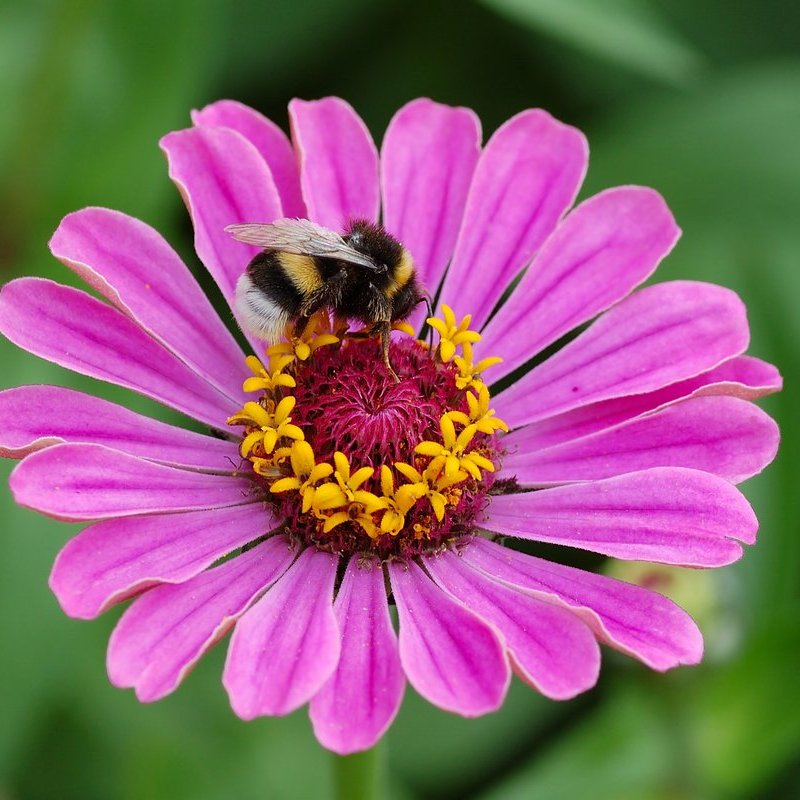
Common Zinnia
Zinnia elegans — Asteraceae
Common zinnia is a cheerful, fast-growing annual prized for its bold, daisy-like flowers in a wide range of bright colors. It is one of the easiest flowers for beginners, thriving in sunny beds, borders, and cutting gardens through the heat of summer. Zinnias also attract butterflies and make excellent long-lasting cut flowers.
How to Grow
Planting
Plant zinnia seeds outdoors after all danger of frost has passed and the soil has warmed. Choose a site with full sun and good air circulation, as this helps reduce disease problems later in the season. Sow seeds shallowly and thin seedlings to give each plant enough room to grow. Zinnias dislike root disturbance, so direct sowing is often easier than transplanting, though nursery starts can also be used carefully.
Care
Zinnias are low-maintenance annuals that perform best in warm weather and bright sun. Keep the planting area weed-free and provide enough spacing so foliage dries quickly after rain or watering. Taller varieties may benefit from light staking in windy gardens. Regular deadheading encourages more blooms and keeps plants looking tidy throughout the season.
Watering
Water young plants regularly until they are established, then provide moderate moisture as needed. Zinnias are fairly tolerant of short dry spells, but they bloom best when the soil is kept evenly moist without becoming soggy. Water at the base of the plant rather than overhead to help prevent fungal diseases. Allow the top layer of soil to dry slightly between waterings in heavier soils.
Fertilizing
Zinnias usually do well in average garden soil and do not need heavy feeding. Mixing compost into the bed before planting can support steady growth and flowering. If your soil is poor, apply a balanced, low to moderate strength fertilizer every few weeks during the growing season. Avoid too much nitrogen, which can lead to lush leaves with fewer flowers.
Pruning
Pinching young zinnia plants when they are about 8 to 12 inches tall can encourage bushier growth and more flowering stems. Remove spent blooms regularly to keep plants producing new buds. Cut back any damaged, diseased, or overcrowded stems to improve airflow. At the end of the season, remove and discard old plants to reduce carryover of disease.
Common Problems
Powdery mildew
Cause: Fungal disease encouraged by poor air circulation, crowding, and humid conditions.
Solution: Space plants properly, water at the soil line, and remove badly affected leaves. Grow resistant varieties when possible and avoid overhead watering.
Leaf spot
Cause: Fungal or bacterial pathogens that spread in wet foliage and crowded plantings.
Solution: Keep leaves dry, improve airflow, and remove infected plant material. Clean up garden debris at the end of the season.
Aphids
Cause: Sap-sucking insects that gather on tender new growth and flower stems.
Solution: Spray plants with a strong stream of water, encourage beneficial insects, or use insecticidal soap if infestations are severe.
Spider mites
Cause: Tiny pests that thrive in hot, dry conditions and feed on leaf undersides.
Solution: Increase humidity around plants, rinse foliage regularly, and treat with insecticidal soap if needed.
Stem rot or root rot
Cause: Overwatering or poorly drained soil that keeps roots too wet.
Solution: Plant in well-drained soil, avoid soggy conditions, and water only when needed.