 Weekend Plant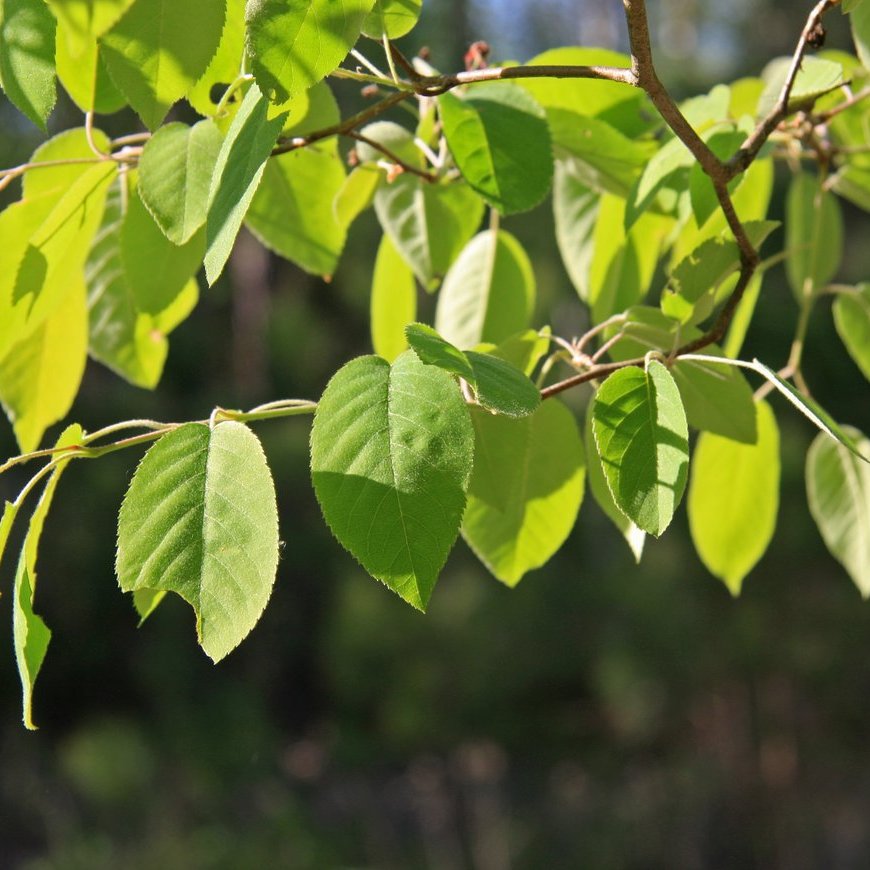
Downy Serviceberry
Amelanchier arborea — Rosaceae
Downy serviceberry is a charming native small tree grown for its clouds of white spring flowers, attractive fall color, and sweet edible berries. It fits beautifully into home landscapes as both an ornamental and a wildlife-friendly plant. Gardeners love it for its natural woodland character and its ability to thrive in a range of garden settings.
Growing data sourced from the USDA PLANTS Database. Hardiness zones reflect perennial survival — this plant may tolerate a wider range when grown as an annual.
How to Grow
Planting
Plant downy serviceberry in spring or fall in a location with full sun to partial shade. It grows best in acidic to neutral soil and adapts well to coarse and medium-textured soils, provided drainage is good. Choose a site with enough room for its upright tree form to mature, usually 15 to 25 feet wide. This species is a good choice for naturalized plantings, woodland edges, and slopes where erosion control is needed.
Care
This is a relatively easy native tree once established, especially in gardens that mimic its natural woodland conditions. It performs best with consistent moisture and benefits from a layer of mulch to keep roots cool and reduce weed competition. Because it has low drought tolerance, avoid hot, dry sites unless supplemental watering is available. Serviceberry is moderately long-lived and offers multi-season interest with flowers, fruit, and fall foliage.
Watering
Water regularly during the first one to two growing seasons to help the root system establish well. After establishment, provide moderate moisture and do not allow the soil to stay dry for long periods, especially during flowering and fruit development. Deep watering during dry spells is better than frequent shallow watering. Mulching around the base helps conserve moisture and supports healthier growth.
Fertilizing
Downy serviceberry generally does not need heavy feeding, especially if planted in reasonably fertile soil. A light application of balanced fertilizer or a top-dressing of compost in early spring is usually enough to support healthy growth. Avoid overfertilizing, which can encourage excessive leafy growth at the expense of flowers and fruit. If soil is poor, improving it gradually with organic matter is often more beneficial than frequent fertilizer use.
Pruning
Prune in late winter while the tree is dormant to remove dead, damaged, or crossing branches and to maintain a strong structure. Young plants benefit from light shaping to develop a balanced canopy and a clear central trunk if a tree form is desired. Remove suckers if they appear and you want to keep a single-stemmed habit. Avoid heavy pruning, as it can reduce flowering and fruiting for the season.
Common Problems
Rust
Cause: Fungal disease encouraged by wet weather and nearby alternate hosts such as junipers.
Solution: Improve air circulation, avoid overhead watering, and remove heavily infected plant material. If rust is a recurring issue, avoid planting near susceptible junipers.
Leaf spot
Cause: Fungal pathogens that spread in humid conditions and on wet foliage.
Solution: Rake up and dispose of fallen leaves, water at the base of the plant, and prune lightly to improve airflow through the canopy.
Fire blight
Cause: A bacterial disease that can affect members of the rose family, especially during warm, wet spring weather.
Solution: Prune out infected shoots well below damaged tissue, disinfect tools between cuts, and avoid excessive nitrogen fertilizer that promotes soft new growth.
Cedar-serviceberry rust
Cause: A rust fungus cycling between serviceberry and juniper hosts.
Solution: Reduce proximity to junipers when possible, remove infected leaves or fruit, and maintain plant vigor with proper watering and spacing.
Birds eating fruit
Cause: Ripe berries are highly attractive to birds and other wildlife.
Solution: Harvest promptly as fruit ripens or use bird netting if you want to protect part of the crop for home use.