 Weekend Plant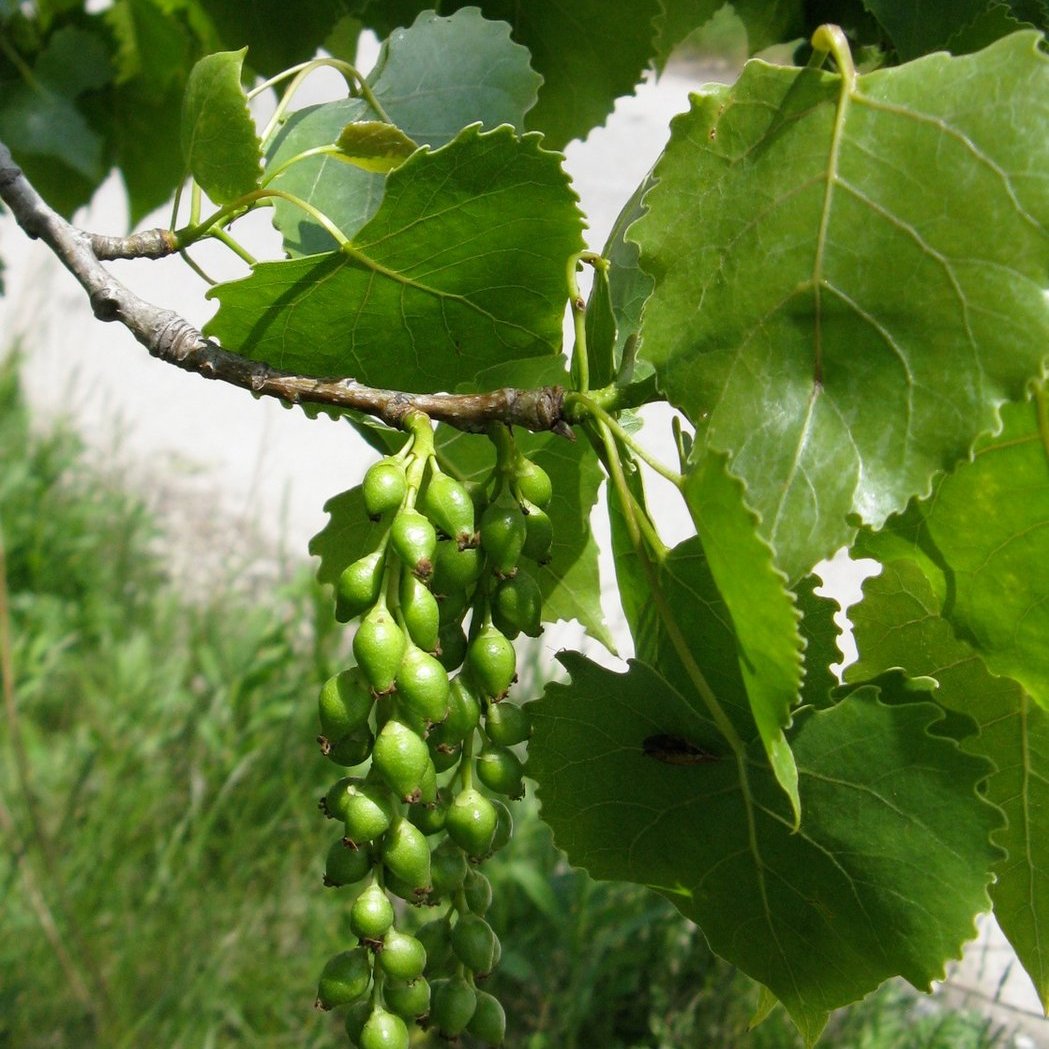
Eastern Cottonwood
Populus deltoides — Salicaceae
Eastern cottonwood is a towering native shade tree valued for its rapid growth and ability to provide shelter along streams, fields, and large open landscapes. Its triangular leaves shimmer in the breeze, and mature trees quickly create cooling shade for rural properties and restoration plantings. Because it grows large and has vigorous roots, it is best suited to spacious sites away from buildings and pipes.
Growing data sourced from the USDA PLANTS Database. Hardiness zones reflect perennial survival — this plant may tolerate a wider range when grown as an annual.
How to Grow
Planting
Plant eastern cottonwood in a full-sun location with plenty of room for its mature size. It adapts to sandy, loamy, and clay soils, but it performs best where moisture is reliable, such as near ponds, creeks, or low areas with deep soil. Bare-root, container-grown, and cutting-grown plants all establish well when planted during the dormant season or in spring. If starting from seed, sow fresh seed on the soil surface because it needs light for good germination.
Care
This is a fast-growing but relatively short-lived tree that needs space more than intensive pampering. It is intolerant of shade, so avoid crowding it with taller trees or planting it where buildings will block sunlight. Eastern cottonwood is often used for windbreaks, shelterbelts, and naturalized plantings rather than small home landscapes. Keep the area around young trees free of heavy weed competition while they establish.
Watering
Although established trees show high drought tolerance, eastern cottonwood naturally uses a lot of moisture and grows best with consistent access to water. Water young trees deeply and regularly during the first few growing seasons, especially in hot or windy weather. Mature trees can handle some dry periods, but prolonged drought may reduce growth and cause leaf drop. In dry landscapes, occasional deep watering helps maintain vigor.
Fertilizing
Eastern cottonwood generally does not need heavy fertilization in average garden soil. Its fertility requirement is moderate, so a soil test is the best guide before adding nutrients. If growth is poor in depleted soil, apply a balanced slow-release fertilizer in early spring or top-dress with compost around the root zone. Avoid overfertilizing, which can encourage weak, overly lush growth.
Pruning
Prune while the tree is dormant in late winter to remove dead, damaged, or poorly placed branches. Young trees benefit from early structural pruning to encourage a strong central leader and well-spaced scaffold branches. Because this species grows quickly, weak branch attachments can develop if it is neglected. Avoid heavy pruning during active growth, as large cuts can invite stress and disease.
Common Problems
Canker diseases
Cause: Fungal pathogens often enter through wounds, drought stress, or winter injury on fast-growing trees.
Solution: Prune out infected branches during dry weather, avoid unnecessary trunk damage, and keep trees vigorous with proper watering.
Leaf spots and rust
Cause: Fungal diseases are more common in humid conditions or where fallen infected leaves remain under the tree.
Solution: Rake and dispose of diseased leaves, improve air movement, and maintain overall tree health to reduce severity.
Cottonwood borers
Cause: Wood-boring insects are attracted to stressed, injured, or weakened trees.
Solution: Prevent stress with deep watering during drought, protect bark from injury, and remove severely infested wood when practical.
Branch breakage
Cause: Rapid growth can produce brittle wood and weak branch unions, especially in exposed sites.
Solution: Train young trees with structural pruning and remove hazardous limbs before storms become a problem.
Aggressive roots
Cause: The tree naturally develops wide-ranging roots in search of moisture.
Solution: Plant far from foundations, sidewalks, septic systems, and underground pipes to avoid future damage.