 Weekend Plant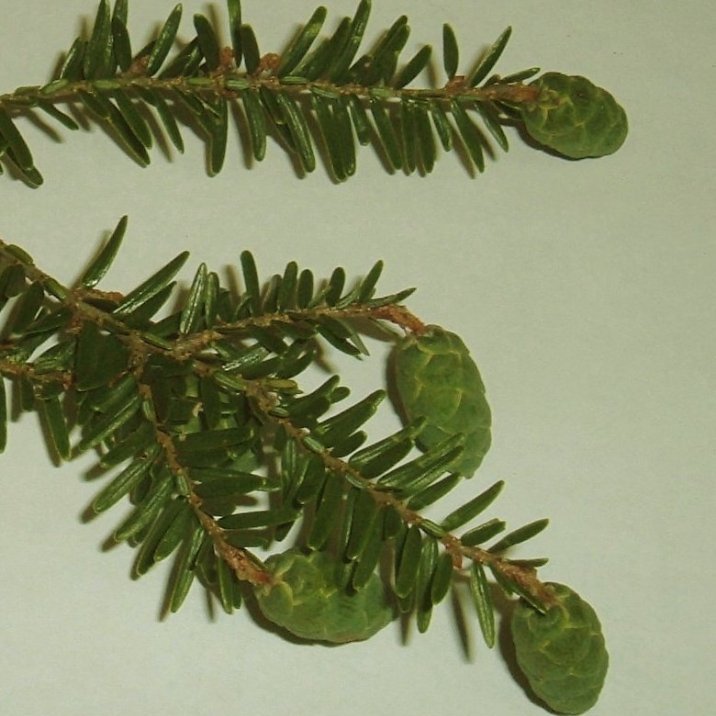
Eastern Hemlock
Tsuga canadensis — Pinaceae
Eastern hemlock is a graceful native evergreen tree prized for its soft, feathery needles and elegant, slightly drooping branches. It makes a beautiful specimen tree or screen in cool, moist landscapes and brings year-round structure to woodland gardens. This long-lived conifer is especially valued for its ability to tolerate shade better than many other evergreens.
Growing data sourced from the USDA PLANTS Database. Hardiness zones reflect perennial survival — this plant may tolerate a wider range when grown as an annual.
How to Grow
Planting
Plant eastern hemlock in a cool site with acidic, organically rich soil and reliable moisture. It grows best in well-drained sandy or loamy soil and does not perform well in heavy clay or alkaline conditions. Choose a location with protection from drying winter winds and hot afternoon sun, especially in warmer parts of its range. Young trees benefit from a wide planting hole and a layer of mulch to keep roots cool and moist.
Care
Eastern hemlock is relatively low-maintenance once established, but it performs best when grown in stable conditions without heat or drought stress. This species is long-lived and naturally develops a narrow to broadly pyramidal form. Keep the root zone mulched with pine needles, shredded bark, or leaf mold to conserve moisture and maintain soil acidity. Avoid disturbing the shallow root system with frequent digging or cultivation nearby.
Watering
Water regularly during establishment so the soil stays evenly moist but not waterlogged. This tree has low drought tolerance, so prolonged dry periods can quickly lead to stress, needle drop, and decline. Deep watering during hot weather is especially important for young trees and for plants growing in sunnier exposures. Mature trees still appreciate supplemental water during extended drought.
Fertilizing
Eastern hemlock usually needs little fertilizer when planted in naturally fertile woodland soil. If growth is weak or foliage appears pale, apply a balanced, slow-release fertilizer formulated for acid-loving trees in early spring. Avoid overfertilizing, which can encourage soft growth and stress the tree. Adding composted organic matter around the root zone is often enough to support healthy growth.
Pruning
Pruning needs are minimal beyond removing dead, damaged, or crossing branches. If used as a hedge or screen, eastern hemlock can be lightly sheared or selectively pruned in late winter or early spring before active growth begins. Avoid cutting back into old bare wood, since regrowth may be slow or uneven. Maintain its natural layered form whenever possible for the healthiest and most attractive appearance.
Common Problems
Hemlock woolly adelgid
Cause: A sap-sucking invasive insect that feeds at the base of needles and weakens or kills trees over time.
Solution: Inspect branches regularly for white cottony masses, especially on the undersides of twigs. Treat infestations with horticultural oil, insecticidal soap, or systemic treatments where appropriate. Keep trees well watered and consult local extension services for regional management recommendations.
Spider mites
Cause: Hot, dry conditions can encourage mite populations, leading to stippled, bronzed foliage.
Solution: Increase humidity around young plants when possible and reduce drought stress with deep watering. Spray foliage with a strong stream of water to dislodge mites, and use horticultural oil if infestations are severe. Avoid unnecessary pesticide use that can kill beneficial predators.
Root rot
Cause: Poor drainage or waterlogged soil can damage roots and promote fungal disease.
Solution: Plant in well-drained soil and avoid low spots where water stands after rain. Do not overwater established trees, and keep mulch pulled slightly back from the trunk. Severely affected trees may decline beyond recovery, so prevention is important.
Winter burn
Cause: Cold winds and frozen soil can cause needles to dry out and turn brown.
Solution: Water thoroughly in fall before the ground freezes and mulch the root zone to reduce moisture loss. Plant in sheltered locations away from harsh winter winds. Young trees may benefit from burlap wind protection in exposed sites.
Needle drop from drought stress
Cause: This species has low drought tolerance and can shed needles when soil becomes too dry.
Solution: Maintain even soil moisture with deep watering during dry spells and apply mulch to keep roots cool. Avoid planting in hot, exposed locations. Monitor young trees closely through summer.