 Weekend Plant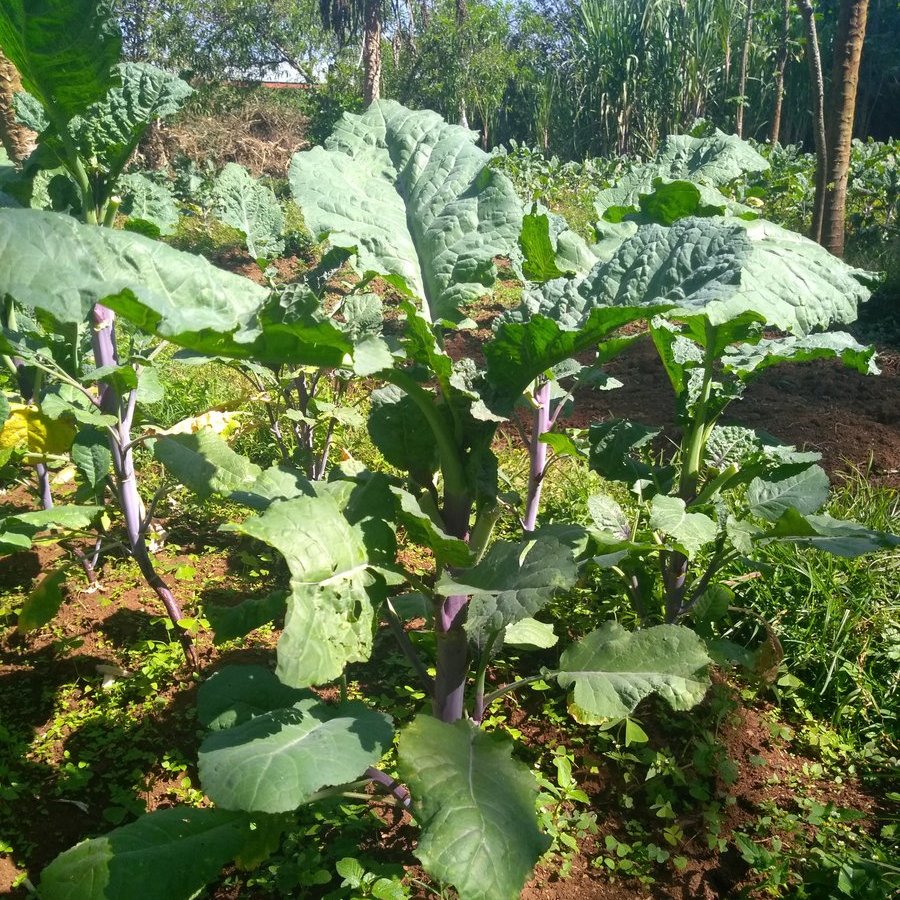
Ethiopian Mustard
Brassica carinata — Brassicaceae
Ethiopian mustard is a fast-growing brassica grown for its nutritious leafy greens and, in some regions, for oilseed production. It has a bold, mustard-like flavor and performs especially well in cool weather, making it a useful crop for spring and fall gardens. Home gardeners appreciate its vigor, productivity, and versatility in the kitchen.
How to Grow
Planting
Sow Ethiopian mustard directly in the garden as soon as the soil can be worked in early spring, or again for a fall crop where seasons allow. Plant seeds shallowly in fine, loose soil and thin seedlings to give each plant enough room to develop broad leaves. This crop grows best in full sun but can tolerate light shade in warmer climates. Rich, well-drained soil with plenty of organic matter will support the fastest growth and best leaf quality.
Care
Keep the bed free of weeds while plants are young, since brassicas compete poorly at the seedling stage. Mulching around plants helps conserve moisture, suppress weeds, and keep leaves cleaner for harvest. Ethiopian mustard grows quickly and benefits from steady attention during its short growing window. Watch for insect damage regularly, especially during warm weather when brassica pests become more active.
Watering
Provide consistent moisture to keep growth tender and reduce leaf bitterness. About 1 inch of water per week is usually sufficient, though sandy soils and hot weather may require more frequent irrigation. Avoid letting the soil dry out completely, especially once plants begin producing larger leaves. Water at the base when possible to reduce splashing and limit foliar disease problems.
Fertilizing
As a leafy vegetable, Ethiopian mustard responds well to nitrogen-rich soil. Mix compost or well-rotted manure into the bed before planting, and consider a light side-dressing of balanced fertilizer or compost once plants are established. Avoid excessive fertilization late in growth if you are also growing it for seed, since too much nitrogen can favor leaf production over seed set. A soil test is the best guide if you are growing it intensively.
Pruning
Pruning is generally not necessary, but regular harvesting of outer leaves encourages continued production and keeps plants compact. Remove any yellowing, damaged, or pest-ridden leaves promptly to improve airflow and plant appearance. If plants begin to bolt in warm weather, you can harvest the whole plant rather than trying to prolong leaf production. For seed production, allow flowering stems to mature fully without cutting them back.
Harvesting
When to Harvest
Begin harvesting young leaves when plants are about 6-8 inches tall, usually 30 to 60 days after sowing depending on weather and variety. Pick leaves while they are tender for the mildest flavor, or wait for larger leaves if you prefer a stronger mustard taste. If growing for seed, harvest once pods dry and turn tan to brown.
How to Harvest
Snip outer leaves first and allow the center of the plant to continue growing for repeated harvests. You can also cut the entire plant at the base for a one-time harvest when it reaches usable size. For seed, cut mature stalks and place them in a paper bag or on a tarp to finish drying before threshing. Handle pods gently, as mature seed can shatter if left too long in the garden.
Storage
Fresh leaves keep best in the refrigerator, unwashed and loosely wrapped, for about 3 to 5 days. Wash just before use to preserve texture and reduce spoilage. Blanching and freezing are good options for larger harvests. Dry seed should be stored in a cool, dry, airtight container.
Common Problems
Flea beetles
Cause: Small jumping beetles chew many tiny holes in young leaves, especially in warm, dry weather.
Solution: Use floating row covers early in the season, keep plants growing vigorously, and apply organic controls such as spinosad only if damage becomes severe.
Cabbage worms
Cause: Larvae of white butterflies feed on foliage and can quickly skeletonize leaves.
Solution: Inspect leaf undersides regularly, handpick caterpillars, and use Bacillus thuringiensis (Bt) when infestations are heavy.
Aphids
Cause: Clusters of sap-sucking insects gather on tender growth, causing curling leaves and sticky residue.
Solution: Spray plants with a strong stream of water, encourage beneficial insects, and use insecticidal soap if needed.
Downy mildew
Cause: Cool, humid conditions and poor airflow can lead to yellow patches and fuzzy growth on leaf undersides.
Solution: Space plants properly, water at the soil line, remove affected leaves, and rotate crops each season.
Bolting
Cause: Hot weather or stress causes plants to flower early, making leaves tougher and more pungent.
Solution: Grow during cool seasons, keep soil evenly moist, and harvest promptly before heat triggers flowering.