 Weekend Plant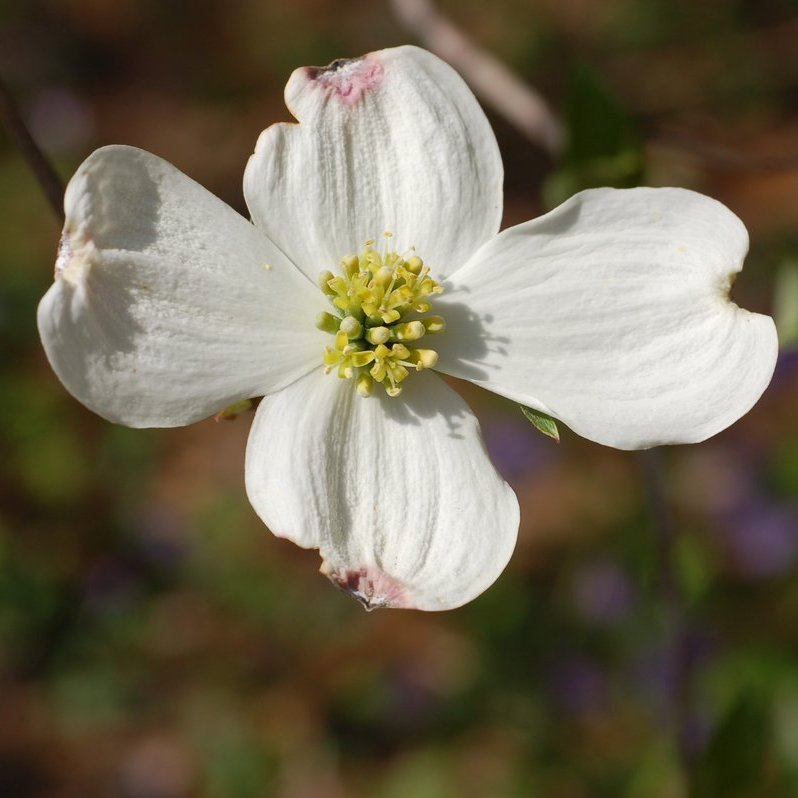
Flowering Dogwood
Cornus florida — Cornaceae
Flowering dogwood is a beloved small native tree grown for its showy white spring bracts, red fall fruit, and rich autumn color. It fits beautifully into home landscapes as a specimen tree, woodland edge planting, or wildlife-friendly accent. With the right siting and steady moisture, it rewards gardeners with year-round beauty.
Growing data sourced from the USDA PLANTS Database. Hardiness zones reflect perennial survival — this plant may tolerate a wider range when grown as an annual.
How to Grow
Planting
Plant flowering dogwood in a location with morning sun and afternoon shade, or in full sun where the soil stays evenly moist. It performs best in slightly acidic, organically rich, well-drained soil and does not tolerate poorly drained sites. Dig a hole two to three times as wide as the root ball but no deeper than the root flare, and set the tree so the top of the root ball sits level with or slightly above the surrounding soil. Mulch after planting to keep roots cool and reduce moisture loss, but keep mulch a few inches away from the trunk.
Care
This tree is considered shade tolerant and generally grows best with some protection from harsh afternoon heat, especially in warmer regions. Because it is relatively short-lived and can be stressed by drought, site selection and consistent care are important for long-term health. A layer of leaf mold, compost, or shredded bark mulch helps mimic its natural woodland habitat. Avoid trunk injury from mowers and string trimmers, since damaged bark can invite disease and insect problems.
Watering
Although USDA data lists low moisture use, flowering dogwood has low drought tolerance and should be watered regularly while establishing. Keep the soil evenly moist, especially during the first two to three years and during hot, dry weather. Deep watering once a week is usually better than frequent shallow watering, allowing moisture to reach the root zone. Reduce supplemental watering in cool or rainy periods, but do not let the root zone dry out completely.
Fertilizing
Flowering dogwood has a medium fertility requirement and usually does well in moderately fertile garden soil. If growth is weak or leaves appear pale, apply a balanced, slow-release fertilizer in early spring at a light rate. Avoid overfertilizing, which can encourage lush, weak growth and increase stress. Maintaining organic mulch and adding compost around the root zone often provides enough steady nutrition for established trees.
Pruning
Prune only as needed to remove dead, damaged, or crossing branches and to maintain a strong natural shape. The best time to prune is in late winter while the tree is dormant, before active spring growth begins. Avoid heavy pruning, since flowering dogwood naturally forms an attractive layered canopy and excessive cutting can reduce flowering. Always use clean, sharp tools and remove diseased wood promptly if problems appear.
Common Problems
Dogwood anthracnose
Cause: A fungal disease encouraged by cool, wet conditions, poor air circulation, and plant stress.
Solution: Plant in a suitable site with good airflow, avoid overhead watering, prune out infected branches, and remove fallen leaves. Keep the tree healthy with mulch and consistent moisture.
Powdery mildew
Cause: Fungal growth on leaves is more common in humid weather and crowded or shaded conditions.
Solution: Improve air circulation, water at the base of the plant, and avoid excessive nitrogen fertilizer. Resistant cultivars can also help reduce recurring issues.
Dogwood borer
Cause: This insect often attacks stressed trees or those with trunk wounds.
Solution: Prevent injury to the bark, keep the tree vigorous with proper watering and mulching, and inspect the trunk for signs of infestation. Severely affected branches may need removal.
Leaf scorch
Cause: Hot sun, drought stress, compacted soil, or root disturbance can cause browning leaf edges.
Solution: Provide afternoon shade in hot climates, water deeply during dry spells, and maintain mulch over the root zone. Avoid disturbing roots and improve soil conditions if compacted.
Root rot
Cause: Poor drainage and waterlogged soil can damage roots and weaken the tree.
Solution: Plant only in well-drained soil and avoid overwatering. If drainage is poor, amend the site or choose a raised planting area.