 Weekend Plant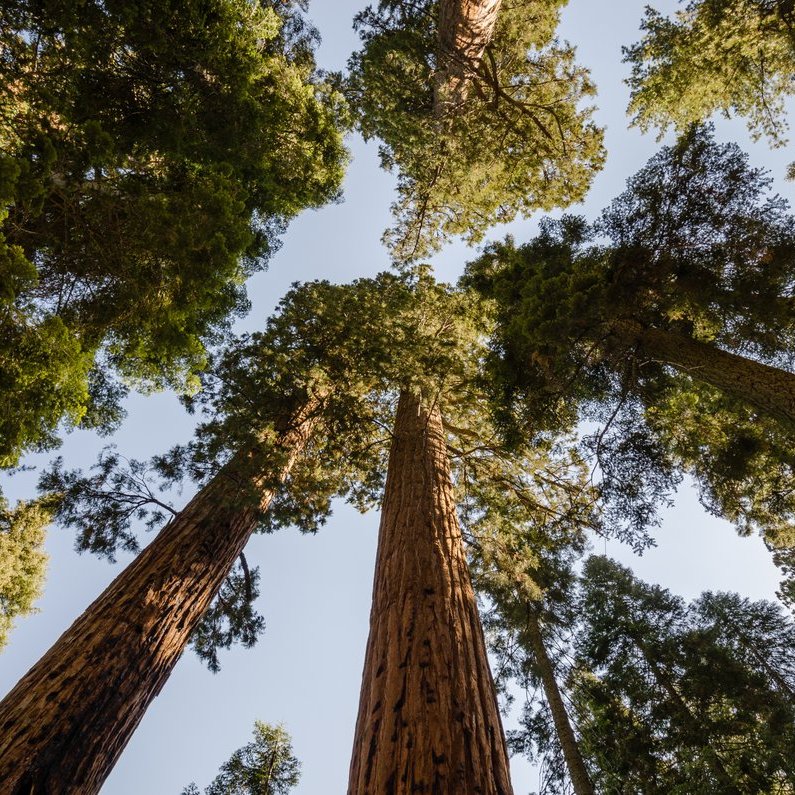
Giant Sequoia
Sequoiadendron giganteum — Cupressaceae
Giant sequoia is one of the most awe-inspiring trees a gardener can grow, prized for its massive size, reddish bark, and stately conical form. While it is best suited to large properties, parks, and arboretum-style landscapes, young trees can make striking specimen plantings in the right climate. This evergreen conifer is long-lived and ornamental, offering year-round structure and a strong sense of permanence in the landscape.
Growing data sourced from the USDA PLANTS Database. Hardiness zones reflect perennial survival — this plant may tolerate a wider range when grown as an annual.
How to Grow
Planting
Plant giant sequoia in a spacious site where it will have room to mature without crowding buildings, power lines, or other trees. Choose a location in full sun with deep, well-drained soil; USDA data indicates it grows in coarse and medium soils but not fine, heavy soils. Slightly acidic to neutral soil is ideal, with a pH range of about 5.5 to 7.6. Container-grown young trees establish best when planted in spring or fall while temperatures are mild.
Care
This tree is relatively easy to maintain once established, but it needs the right setting from the start because of its eventual size. Giant sequoia is shade intolerant, so avoid planting it where taller trees or structures will block sunlight. Mulch around the root zone to help regulate soil temperature and reduce weed competition, keeping mulch away from the trunk. Because it is a long-lived tree with a naturally strong form, routine care is mostly focused on establishment and site protection.
Watering
Water regularly during the first several years to help the tree develop a deep, resilient root system. Giant sequoia has medium moisture use and medium drought tolerance, so it prefers consistent moisture but does not like waterlogged conditions. Deep, infrequent watering is better than frequent shallow watering, especially in summer. Once established, it can handle some dry periods, but prolonged drought may stress the tree and reduce vigor.
Fertilizing
Giant sequoia generally has a low fertility requirement, so heavy feeding is unnecessary. In average garden soil, a yearly topdressing of compost or a light application of a balanced, slow-release fertilizer in spring is usually enough for young trees. Avoid overfertilizing, which can encourage weak, overly lush growth. If growth seems poor, test the soil before adding nutrients so you can correct only what is needed.
Pruning
Pruning needs are minimal because giant sequoia naturally develops a strong central leader and attractive conical shape. Remove dead, damaged, or crossing branches when the tree is young to maintain good structure and airflow. Avoid heavy pruning or topping, which can spoil the tree's form and create stress. If lower branches need to be removed for clearance, do so gradually over time rather than all at once.
Common Problems
Root rot
Cause: Poor drainage or overly wet soil can suffocate roots and encourage fungal diseases.
Solution: Plant in well-drained soil and avoid overwatering, especially in heavy sites. Improve drainage before planting if needed.
Drought stress
Cause: Extended dry periods, especially while young trees are establishing, can lead to browning foliage and slowed growth.
Solution: Water deeply during dry spells and apply mulch to conserve soil moisture around the root zone.
Canker diseases
Cause: Stress, wounds, or unfavorable growing conditions can allow fungal pathogens to infect bark and branches.
Solution: Keep trees vigorous with proper watering and site selection, and prune out affected branches with clean tools.
Spider mites
Cause: Hot, dry conditions can encourage mite populations on foliage.
Solution: Reduce plant stress with adequate watering and rinse foliage on smaller trees when practical. Use horticultural controls only if infestations are severe.
Winter burn on young trees
Cause: Cold winds and drying winter conditions can damage foliage, especially outside ideal growing areas.
Solution: Plant in a sheltered but sunny location, water well before winter, and mulch to protect roots.