 Weekend Plant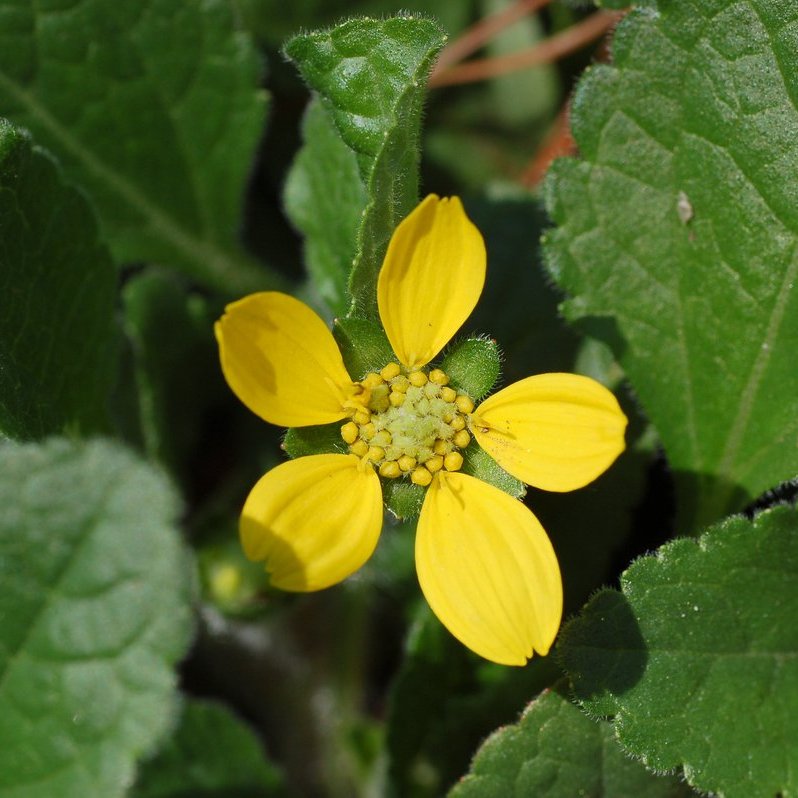
Green-and-gold
Chrysogonum virginianum — Asteraceae
Green-and-gold is a cheerful native perennial ground cover prized for its bright yellow, starry flowers and tidy green foliage. It spreads gently to form a low carpet, making it a lovely choice for woodland edges, shaded borders, and naturalistic plantings. Easy to grow and beginner-friendly, it brings long-lasting color to spots where many flowering plants struggle.
How to Grow
Planting
Plant green-and-gold in spring or fall in a spot with partial shade or gentle morning sun, especially in warmer climates. It performs best in humus-rich, well-drained soil but also appreciates consistent moisture while getting established. Space plants about 12 to 18 inches apart so they can fill in naturally as a ground cover. This plant is especially useful along paths, under shrubs, or in woodland gardens where a low, flowering spread is desired.
Care
Green-and-gold is a low-maintenance perennial once established. It benefits from a light mulch of leaf mold or compost to keep roots cool and improve soil structure. In ideal conditions, it slowly spreads by short runners, creating a soft, natural carpet. Remove heavy leaf buildup or debris in spring so new growth and flowers can emerge cleanly.
Watering
Keep the soil evenly moist during the first growing season to help the plant establish a strong root system. After establishment, green-and-gold tolerates short dry spells better than many woodland perennials, but it looks best with regular moisture. Water deeply when the top inch of soil begins to dry, especially during hot weather. Avoid soggy conditions, as overly wet soil can lead to crown or root problems.
Fertilizing
This plant usually does not need heavy feeding in average garden soil. A yearly topdressing of compost in spring is often enough to support healthy foliage and flowering. If growth seems weak, apply a balanced, slow-release fertilizer at a light rate in early spring. Overfertilizing can encourage excess leafy growth at the expense of flowers.
Pruning
Pruning needs are minimal for green-and-gold. Trim away winter-damaged or tired foliage in late winter or early spring before fresh growth begins. Deadheading is optional, but removing spent flowers can tidy the plant and may encourage a light rebloom. If the clump becomes too dense after a few years, divide it to refresh growth and expand your planting.
Common Problems
Root or crown rot
Cause: Poor drainage or soil that stays waterlogged for long periods.
Solution: Plant in well-drained soil, avoid overwatering, and improve drainage with organic matter if needed.
Slugs and snails
Cause: Moist, shaded conditions and tender new growth attract these pests.
Solution: Hand-pick pests, reduce hiding places, and use barriers or slug bait if damage becomes severe.
Sparse flowering
Cause: Too much shade or overly rich fertilizer can reduce bloom production.
Solution: Move or divide plants into a brighter location with partial sun and avoid excessive feeding.
Leaf spot
Cause: Fungal issues encouraged by poor air circulation and wet foliage.
Solution: Water at the base, thin crowded growth, and remove badly affected leaves.