 Weekend Plant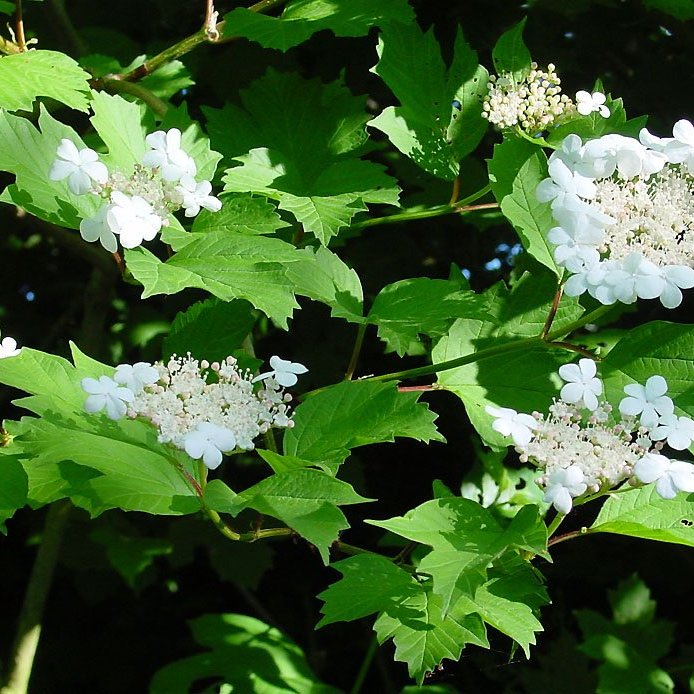
Guelder Rose
Viburnum opulus — Viburnaceae
Guelder rose is a hardy, multi-stemmed deciduous shrub grown for its lacecap-like white spring flowers, bright red fall fruit, and attractive autumn color. It works beautifully in mixed borders, wildlife plantings, and informal hedges, especially where the soil stays evenly moist. Gardeners also value it as a traditional medicinal and edible-fruited shrub, though the berries are usually cooked before use.
Growing data sourced from the USDA PLANTS Database. Hardiness zones reflect perennial survival — this plant may tolerate a wider range when grown as an annual.
How to Grow
Planting
Plant Guelder rose in spring or fall in a spot with full sun to partial shade. It adapts to sandy, loamy, or clay soils, but performs best in moist, reasonably fertile ground with a slightly acidic to neutral pH. Choose a location with enough room for its naturally broad, multi-stemmed habit, and space plants generously for good air circulation. This shrub is especially useful in naturalized areas, woodland edges, rain gardens, and shelterbelts where moisture is reliable.
Care
This is a long-lived shrub that is generally easy to grow once established in the right site. It prefers cool root conditions and consistent moisture, and it does not tolerate drought well. Mulching around the base helps conserve moisture, moderate soil temperature, and reduce weed competition. Because it is naturally upright and multi-stemmed, it usually needs only light shaping rather than intensive maintenance.
Watering
Keep the soil evenly moist, especially during the first two growing seasons while the root system develops. This species has high moisture use and little drought tolerance, so deep watering during dry spells is important. A layer of organic mulch helps the soil stay cool and reduces evaporation. Avoid letting the soil dry out completely for extended periods, particularly in hot summer weather.
Fertilizing
Guelder rose usually needs only moderate fertility to grow well. In average garden soil, a yearly top-dressing of compost or a balanced slow-release fertilizer in early spring is usually enough. Avoid overfeeding with high-nitrogen fertilizers, which can encourage lush leafy growth at the expense of flowers and fruit. If growth seems weak, test the soil first and adjust fertility based on the results.
Pruning
Prune just after flowering, since the shrub blooms on old wood and later pruning can remove next year's flower buds. Remove dead, damaged, or crossing stems first, then thin a few of the oldest stems at the base to keep the plant open and productive. Light shaping is usually all that is needed for ornamental plantings. If an older shrub becomes overgrown, rejuvenation pruning over two or three seasons works better than cutting everything back at once.
Common Problems
Aphids
Cause: Soft new growth in spring can attract sap-sucking aphids, especially on plants pushed by excess nitrogen.
Solution: Spray off colonies with water, encourage beneficial insects, and avoid overfertilizing. If needed, use insecticidal soap on heavily infested growth.
Powdery mildew
Cause: Poor air circulation, shade, and humid conditions can encourage fungal growth on leaves.
Solution: Prune to improve airflow, water at the base rather than overhead, and remove badly affected foliage. Plant with adequate spacing to reduce repeat infections.
Leaf spot
Cause: Fungal leaf diseases are more common in wet weather and on crowded plants with prolonged leaf moisture.
Solution: Clean up fallen leaves, avoid overhead watering, and thin stems to improve air movement. Severe cases may be reduced with preventive fungicidal treatment where appropriate.
Viburnum leaf beetle
Cause: Larvae and adults feed on leaves, sometimes causing serious defoliation on susceptible viburnums.
Solution: Inspect leaves regularly, remove egg-laden twigs during dormancy, and handpick larvae when practical. Heavy infestations may require targeted control measures.
Fruit drop or poor berry set
Cause: Late frosts, lack of pollinator activity, or stress from dry soil can reduce fruit production.
Solution: Plant in a sheltered site, maintain even soil moisture, and support pollinators with a diverse garden planting. Avoid pruning at the wrong time, which can remove flowering wood.