 Weekend Plant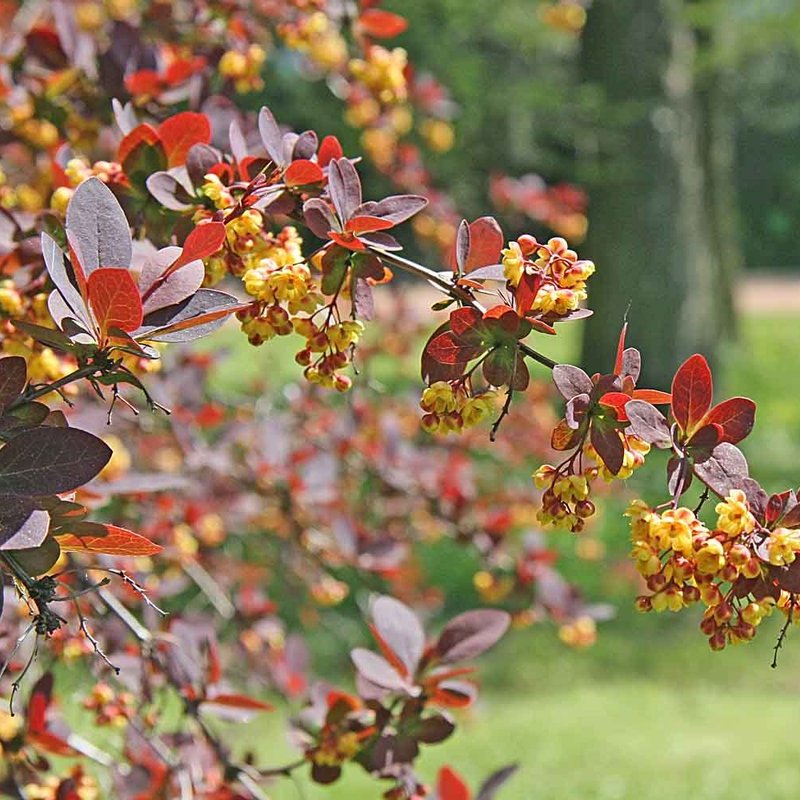
Japanese Barberry
Berberis thunbergii — Berberidaceae
Japanese barberry is a dense, thorny deciduous shrub grown for its tidy form, small yellow spring flowers, and bright red berries that often persist into winter. It is easy to grow in a wide range of soils and is valued for hedges, barriers, and seasonal color. Gardeners should note that it is considered invasive in many parts of North America, so planting may be restricted or discouraged in some areas.
Growing data sourced from the USDA PLANTS Database. Hardiness zones reflect perennial survival — this plant may tolerate a wider range when grown as an annual.
How to Grow
Planting
Plant Japanese barberry in a site with full sun for the best color and densest growth. It adapts to sandy, loamy, or clay soils and tolerates a fairly broad pH range, roughly from mildly acidic to neutral. Space plants about 4 to 6 feet apart depending on whether you want an informal specimen or a tighter hedge. Container-grown shrubs establish well when planted in spring or fall, and seeds can be sown outdoors in late fall for natural stratification.
Care
This shrub is notably adaptable and generally low maintenance once established. It grows as a multi-stemmed, rounded shrub and performs well in average garden conditions with moderate moisture. Because it is thorny and can spread by seed, place it where it will not interfere with walkways or play areas. In regions where it is invasive, remove berries before they are spread by birds and check local regulations before planting.
Watering
Water regularly during the first growing season to help roots establish deeply. After establishment, Japanese barberry can handle some dry periods, but the provided USDA data lists its drought tolerance as low, so avoid letting the soil stay dry for long stretches. Aim for evenly moist but not waterlogged soil, especially in hot weather or in very coarse soils. A layer of mulch helps conserve moisture and reduces weed competition.
Fertilizing
Japanese barberry usually does not need heavy feeding, and USDA data indicates a low fertility requirement. In average garden soil, a light application of balanced slow-release fertilizer in early spring is plenty if growth seems weak. Too much fertilizer can encourage excessive soft growth and reduce the plant's naturally compact habit. Adding compost around the root zone can also support steady growth without overfeeding.
Pruning
Prune in late winter to early spring before new growth begins, or just after flowering if you want to preserve berries later in the season. Remove dead, damaged, or crossing stems first, then thin older stems to improve airflow and maintain shape. Wear thick gloves, as the branches are sharply thorned. For hedges, light shearing works, but selective pruning creates a more natural look and keeps the shrub healthier over time.
Common Problems
Invasive spreading
Cause: Birds eat the abundant red berries and spread seed into natural areas, where seedlings establish easily.
Solution: Check whether planting is legal in your area, remove berries before they ripen if possible, and pull volunteer seedlings promptly.
Leaf spots
Cause: Fungal diseases are more likely in crowded plantings with poor airflow and prolonged leaf wetness.
Solution: Prune to open the shrub, avoid overhead watering, and remove fallen infected leaves from around the plant.
Root rot
Cause: Poor drainage or overly wet soil can stress roots and encourage rot organisms.
Solution: Plant in well-drained soil, avoid overwatering, and do not place the shrub in low spots that stay soggy.
Scale insects or aphids
Cause: Sap-feeding insects may gather on stems or tender new growth, especially on stressed plants.
Solution: Inspect regularly, wash off light infestations with water, and use horticultural oil or insecticidal soap if needed.
Winter dieback
Cause: Exposure to harsh winter winds or sudden temperature swings can damage branch tips.
Solution: Plant in a somewhat sheltered location, mulch the root zone, and prune out damaged wood in spring.