 Weekend Plant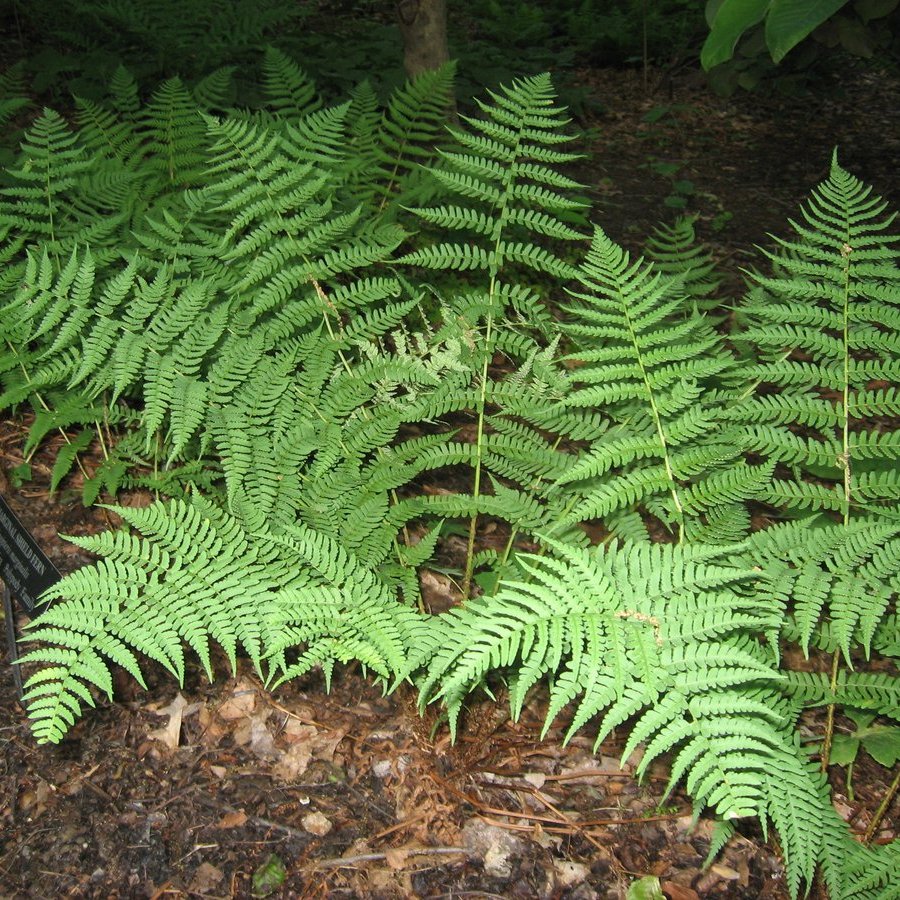
Marginal Wood Fern
Dryopteris marginalis — Dryopteridaceae
Marginal wood fern is a handsome native evergreen fern valued for its tidy, leathery fronds and dependable performance in shady gardens. It brings year-round texture to woodland borders, rock gardens, and naturalized plantings. This fern is especially useful for gardeners who want a durable, low-maintenance plant for dry shade or humus-rich forest soils.
How to Grow
Planting
Plant marginal wood fern in spring or early fall in a sheltered site with partial to full shade. It grows best in woodland-style soil rich in organic matter, though it also tolerates rocky, well-drained sites better than many other ferns. Set the crown at the same depth it was growing in its nursery pot and space plants far enough apart to allow their arching fronds to develop fully. A layer of leaf mold, compost, or shredded bark mulch helps recreate its natural forest-floor habitat.
Care
This is an easy fern once established and needs little routine attention beyond keeping the planting area free of heavy weed competition. It performs best in cool, shaded conditions with good air circulation and soil that does not stay soggy. Because it is evergreen in many climates, the fronds provide winter interest and should be left in place until new growth begins. Over time, plants slowly form attractive clumps that fit well into naturalistic and native plantings.
Watering
Water regularly during the first growing season so the roots can establish deeply. After establishment, marginal wood fern is more tolerant of occasional dry spells than many ferns, but it still looks best with evenly moist soil. Deep watering during prolonged heat or drought will help prevent browning and stress. Avoid constantly waterlogged conditions, which can lead to crown or root problems.
Fertilizing
Marginal wood fern usually does not need heavy feeding if planted in organically rich soil. Each spring, top-dress with compost or leaf mold to slowly improve soil structure and provide gentle nutrition. If growth seems weak, a light application of a balanced, slow-release fertilizer can be used sparingly. Avoid overfertilizing, which can damage roots and encourage soft, weak growth.
Pruning
Pruning is minimal and mostly involves removing winter-damaged, tattered, or dead fronds. In late winter or early spring, trim away old foliage before fresh fiddleheads begin to expand. Throughout the season, you can snip off any fronds that have become discolored to keep the plant looking neat. Do not cut healthy green fronds unnecessarily, since they continue to feed the plant and provide ornamental value.
Common Problems
Crown rot
Cause: Poor drainage or consistently soggy soil around the crown and roots.
Solution: Plant in well-drained soil, avoid overwatering, and improve drainage with organic matter or by choosing a better site.
Frond scorch
Cause: Too much direct sun, hot afternoon exposure, or drought stress.
Solution: Move or plant the fern in partial to full shade and keep the soil evenly moist during hot weather.
Slug and snail damage
Cause: Moist, shaded conditions that favor feeding on tender new growth.
Solution: Hand-pick pests, reduce hiding places, and use barriers or slug bait if damage becomes severe.
Winter frond damage
Cause: Exposure to drying winds, freeze-thaw cycles, or harsh winter weather.
Solution: Leave old fronds in place for protection, mulch around the roots, and site plants in sheltered woodland conditions.