 Weekend Plant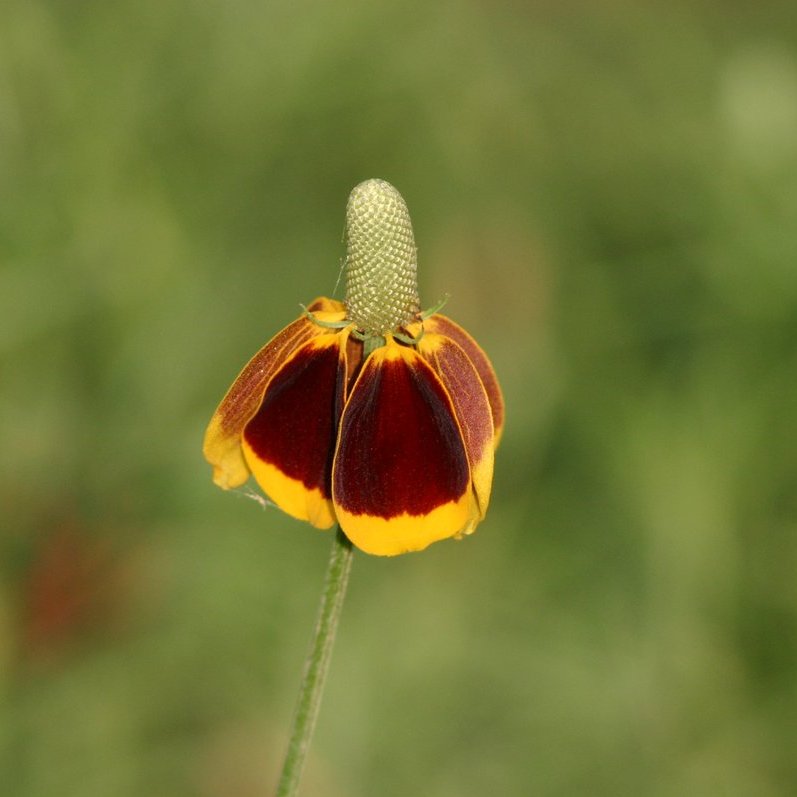
Mexican Hat
Ratibida columnifera — Asteraceae
Mexican hat is a cheerful native wildflower known for its distinctive sombrero-shaped blooms in warm shades of yellow and reddish brown. It brings a relaxed prairie look to sunny beds, borders, and meadow plantings while attracting bees and butterflies. Once established, it is a dependable perennial for gardeners who want long-lasting color with relatively little fuss.
Growing data sourced from the USDA PLANTS Database. Hardiness zones reflect perennial survival — this plant may tolerate a wider range when grown as an annual.
How to Grow
Planting
Plant Mexican hat in a site with full sun and well-drained soil, where it can develop its best flowering and upright habit. It adapts to sandy, loamy, or even clay soils as long as water does not stand around the roots for long periods. Seeds can be sown directly outdoors in early spring, lightly covered because they need only a shallow planting depth. Space plants about 12 to 18 inches apart to allow good air circulation and room for their natural clumping form.
Care
This perennial is easy to grow and fits especially well in naturalistic gardens, prairie plantings, and low-maintenance borders. It tends to perform best in lean to average soils rather than overly rich beds, which can encourage floppy growth. Because it is a single-crown perennial with a moderate lifespan, allowing some seed to mature can help maintain a planting over time. Deadheading can extend bloom, but leaving a few seedheads also supports reseeding and seasonal interest.
Watering
Water regularly during the first growing season to help roots establish deeply. After establishment, Mexican hat tolerates average garden conditions and moderate dry spells, though it flowers best with occasional deep watering during prolonged heat or drought. Avoid constantly soggy soil, since this plant does not tolerate poor drainage or waterlogged conditions. In most climates, supplemental watering is only needed when rainfall is limited for extended periods.
Fertilizing
Mexican hat generally does not need heavy feeding and often performs well without fertilizer in average garden soil. If growth seems weak, a light application of a balanced, slow-release fertilizer in spring is plenty. Avoid overfertilizing, as excess nutrients can produce lush foliage at the expense of flowers and may weaken stems. Compost worked lightly into the soil at planting is usually enough for healthy growth.
Pruning
Remove spent flowers if you want to encourage a tidier appearance and possibly a longer bloom period. If you prefer a naturalized look, leave some seedheads in place for self-sowing and late-season texture. Cut stems back in late fall or early spring once the plant has finished for the season and new growth is about to begin. In windy or rich-soil sites, lightly trimming or staking taller stems may help keep plants upright.
Common Problems
Root rot
Cause: Poor drainage or overly wet soil around the crown and roots.
Solution: Plant in well-drained soil, avoid overwatering, and improve drainage with raised beds or soil amendments if needed.
Floppy stems
Cause: Too much shade or overly rich soil that encourages soft, lanky growth.
Solution: Grow in full sun and avoid heavy fertilization; stake plants if necessary in exposed sites.
Powdery mildew
Cause: Humid conditions and poor air circulation around crowded plants.
Solution: Space plants properly, water at the base, and remove badly affected foliage to improve airflow.
Self-seeding too freely
Cause: Mature seedheads are left on the plant and seeds disperse readily.
Solution: Deadhead before seeds ripen if you want to limit spread, or thin seedlings in spring.