 Weekend Plant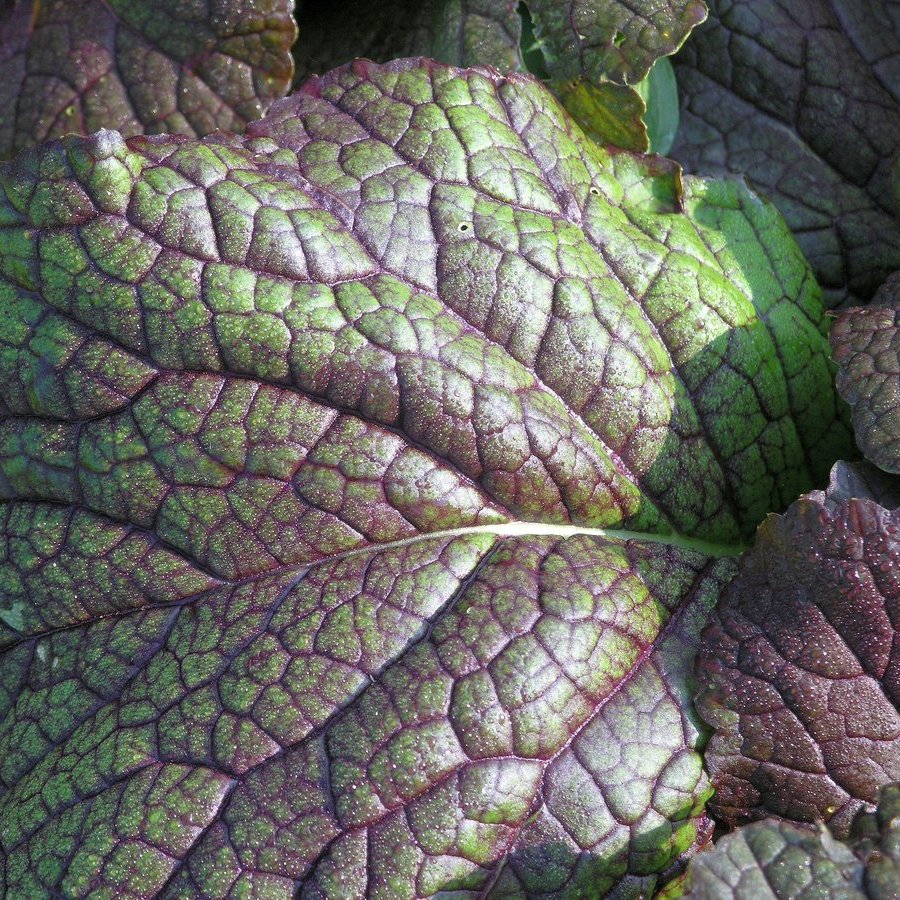
Mustard Greens
Brassica juncea — Brassicaceae
Mustard greens are fast-growing brassicas grown for their peppery leaves, tender stems, and sometimes their flavorful seeds. They bring bold taste and lush texture to cool-season gardens, with many forms ranging from frilly leaf types to broad, smooth-leaved varieties. Easy to grow from seed, they are a great choice for beginner gardeners who want quick harvests and productive beds.
Growing data sourced from the USDA PLANTS Database. Hardiness zones reflect perennial survival — this plant may tolerate a wider range when grown as an annual.
How to Grow
Planting
Sow mustard greens directly in the garden in early spring as soon as the soil can be worked, or again in late summer to early fall for a fall crop in mild climates. Plant seeds about 1/4 inch deep in fertile soil and thin seedlings to 12 to 18 inches apart so plants have room to develop full leaves. This species prefers full sun and grows best in cooler weather, which helps keep the flavor milder and slows bolting. Although USDA data lists it as intolerant of shade, a little afternoon protection in hot regions can still help extend the harvest season.
Care
Brassica juncea grows best in rich, moderately fertile soil with a pH around 5.9 to 7.2, matching the USDA range. Keep beds weed-free and mulch lightly to maintain even soil moisture and reduce temperature swings around the roots. Because it is a short-lived plant with active growth in fall, winter, and spring, it performs best as a cool-season crop rather than a summer vegetable. Watch plants closely as temperatures rise, since warm weather can trigger flowering and make leaves stronger in flavor.
Watering
Provide steady, moderate moisture throughout the growing season to keep leaves tender and productive. USDA data indicates low drought tolerance and medium moisture use, so do not allow the soil to dry out for long periods. Water deeply when the top inch of soil begins to dry, aiming to keep the root zone evenly moist but not waterlogged. Consistent watering also helps reduce stress that can lead to bolting or bitter leaves.
Fertilizing
Mustard greens respond well to medium fertility and produce the best leaf growth in soil enriched with compost before planting. If growth seems slow or leaves are pale, apply a balanced vegetable fertilizer or a light side-dressing of nitrogen once plants are established. Avoid overfeeding, which can encourage overly lush growth that attracts pests. In good garden soil, one pre-plant feeding and one midseason boost are usually enough for a productive crop.
Pruning
This plant does not require pruning in the ornamental sense, but regular harvesting acts like light pruning and encourages fresh leaf production. Pick outer leaves first while allowing the center to continue growing, or cut the whole plant young for baby greens. Remove flower stalks promptly if you want to extend leaf harvest, though bolting usually signals the end of peak quality. Clear away yellowing or pest-damaged leaves to improve airflow and keep the planting tidy.
Harvesting
When to Harvest
Harvest leaves when they are young and tender, usually beginning about 30 to 50 days after sowing depending on the variety and weather. Baby leaves can be picked earlier, while mature greens are best gathered before hot weather causes plants to bolt. Seeds can be harvested later in summer once pods dry on the plant. Stems and swollen forms used in some Asian varieties are harvested when still crisp and succulent.
How to Harvest
Use clean scissors or garden snips to cut outer leaves first, leaving the center growing point intact for repeat harvests. For a full harvest, cut the entire plant at the base before flowering begins. If growing for seed, allow pods to mature and dry, then cut the stalks and finish drying them in a sheltered place before threshing. Handle leaves gently to avoid bruising, especially if you plan to refrigerate them.
Storage
Fresh leaves keep best in the refrigerator, loosely wrapped or stored in a perforated bag, for about 3 to 7 days. Wash only just before use to prevent excess moisture from shortening storage life. For longer keeping, greens can be blanched and frozen, or preserved by pickling in the case of some traditional mustard types. Dry seeds should be stored in a cool, dark, dry place in an airtight container.
Common Problems
Aphids
Cause: These sap-sucking insects often build up during cool to mild weather, especially on tender new growth and crowded plantings.
Solution: Spray plants with a strong stream of water, encourage beneficial insects, and use insecticidal soap if needed. Keep weeds down and avoid excess nitrogen that promotes soft growth.
Flea beetles
Cause: Tiny beetles chew many small holes in leaves, especially on young seedlings and during dry weather.
Solution: Use floating row covers early in the season, keep plants growing vigorously, and apply mulch to reduce stress. Seedlings are most vulnerable, so protect them until they are well established.
Cabbage worms and loopers
Cause: Larvae of common brassica-feeding moths and butterflies chew ragged holes in foliage.
Solution: Inspect leaf undersides regularly and hand-pick caterpillars or eggs. Row covers help prevent egg-laying, and Bacillus thuringiensis (Bt) can be used for heavier infestations.
Downy mildew
Cause: Cool, damp conditions and poor air circulation can lead to yellow patches and fuzzy growth on leaf undersides.
Solution: Space plants properly, water at the soil line, and remove infected leaves promptly. Rotate crops and avoid overhead watering late in the day.
Bolting
Cause: Rising temperatures, dry soil, and seasonal stress push plants to flower early, making leaves tougher and more pungent.
Solution: Grow mustard during cool seasons, keep soil evenly moist, and harvest promptly. Succession sowing helps ensure a steady supply before heat arrives.