 Weekend Plant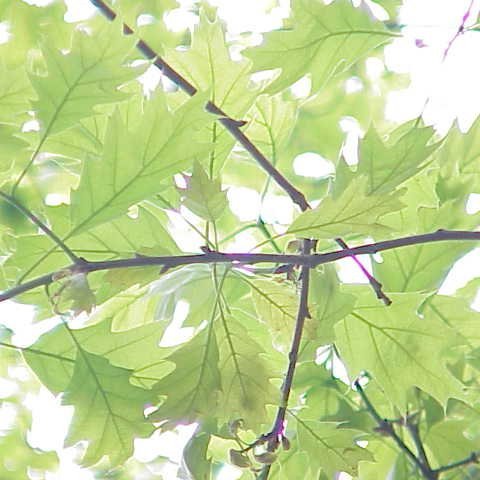
Northern Red Oak
Quercus rubra — Fagaceae
Northern red oak is a stately native shade tree valued for its strong branching structure, handsome lobed leaves, and rich red to russet fall color. It grows into a large, long-lived landscape tree that supports wildlife while also providing cooling shade for big yards and parks. Best suited to gardeners with space, it rewards patience with decades of beauty and ecological value.
Growing data sourced from the USDA PLANTS Database. Hardiness zones reflect perennial survival — this plant may tolerate a wider range when grown as an annual.
How to Grow
Planting
Plant northern red oak in a location with plenty of room for its mature height and broad canopy. It grows best in full sun but tolerates partial shade, especially when young. Choose a site with acidic to neutral soil and good drainage, though it can adapt to sandy, loamy, or clay soils if they are not constantly waterlogged. Fall is an excellent time to plant container-grown or bare-root trees, while acorns are typically sown outdoors in late fall.
Care
This oak is relatively easy to grow once established, but it benefits from a thoughtful start. Keep the root zone mulched with a 2- to 3-inch layer of organic mulch, leaving space around the trunk to prevent rot. Protect young trees from lawn mower damage, deer browsing, and trunk injury, since wounds can invite pests and disease. Because it is a long-lived tree, proper siting is one of the most important parts of care.
Watering
Water newly planted trees regularly during the first one to two growing seasons to help them establish a deep root system. Provide a slow, deep soaking during dry spells rather than frequent shallow watering. Although mature northern red oaks can handle some normal seasonal dryness, USDA data lists drought tolerance as low, so extended drought may cause stress. Avoid planting in sites that stay saturated, since this species has no anaerobic tolerance.
Fertilizing
Northern red oak generally does not need heavy feeding and performs well in soils with low fertility. If growth is weak or leaves appear pale, apply a balanced, slow-release fertilizer in early spring, but only after confirming the tree actually needs it. Excess fertilizer can encourage overly soft growth and may not improve long-term health. A yearly topdressing of compost or leaf mulch is often enough for landscape trees.
Pruning
Prune young trees to develop a strong central leader and well-spaced scaffold branches. Remove dead, damaged, or crossing branches during dormancy in late winter when possible. Avoid heavy pruning, especially on mature trees, because large cuts can stress the tree and create entry points for disease. Minimal structural pruning while the tree is young usually leads to the best long-term form.
Common Problems
Oak wilt
Cause: A serious fungal disease spread through root grafts or by beetles visiting fresh wounds.
Solution: Avoid pruning during high-risk periods, protect the trunk from injury, and consult a certified arborist quickly if wilting and rapid leaf drop appear.
Two-lined chestnut borer
Cause: This insect commonly attacks stressed oaks, especially after drought or root disturbance.
Solution: Keep trees vigorous with proper watering and mulch, avoid soil compaction, and have severe infestations evaluated by an arborist.
Anthracnose
Cause: Cool, wet spring weather can encourage fungal leaf spotting and browning.
Solution: Rake and dispose of infected leaves, improve air circulation, and maintain tree health so it can outgrow minor infections.
Bacterial leaf scorch
Cause: A bacterial disease that interferes with water movement and causes browning leaf margins.
Solution: Reduce drought stress with deep watering, keep the tree mulched, and seek professional diagnosis because symptoms can resemble other problems.
Chlorosis in alkaline soil
Cause: High soil pH can limit iron availability, leading to yellowing leaves.
Solution: Plant in acidic to neutral soil when possible and amend only based on a soil test; severe cases may require professional treatment.