 Weekend Plant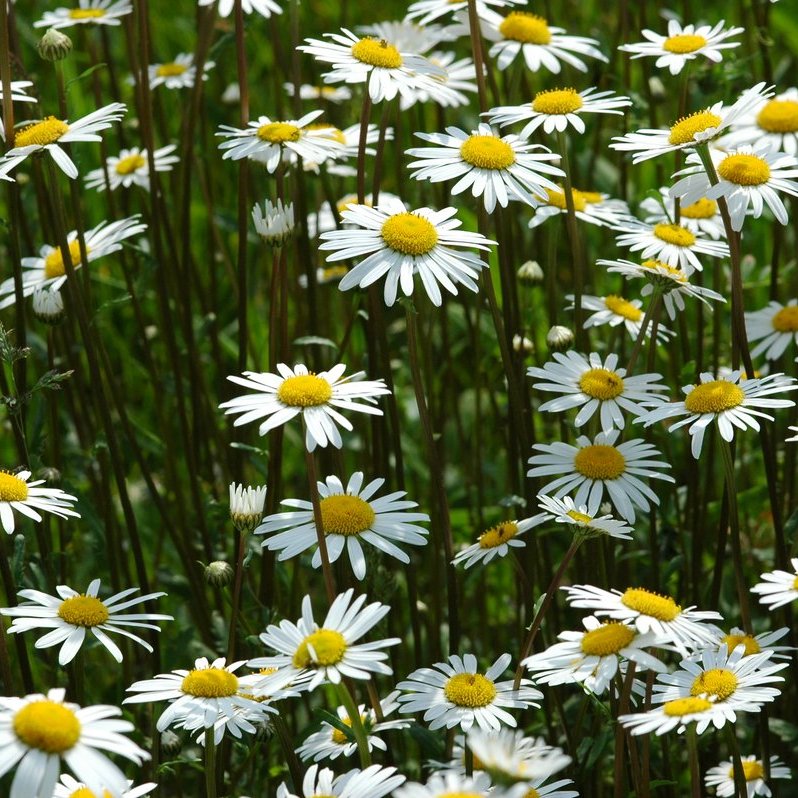
Oxeye Daisy
Leucanthemum vulgare — Asteraceae
Oxeye daisy is a cheerful perennial wildflower with classic white petals and sunny yellow centers that brighten borders, cottage gardens, and naturalized spaces. It is easy to grow in average soils and tolerates lean conditions where many other flowers struggle. While attractive and useful for pollinators, it can spread aggressively in some regions, so gardeners should plant it thoughtfully.
This plant has slight toxicity. Keep away from children and pets.
Growing data sourced from the USDA PLANTS Database. Hardiness zones reflect perennial survival — this plant may tolerate a wider range when grown as an annual.
How to Grow
Planting
Plant oxeye daisy in a sunny spot with well-drained soil for the best flowering and strongest growth. It adapts to sandy and loamy soils and performs well even in relatively poor ground, which matches its low fertility requirement. Seeds can be sown directly in early spring by pressing them lightly onto the soil surface or covering them very lightly, since they germinate best with some light. Space plants about 12 to 18 inches apart to allow air circulation and room for clump formation.
Care
This is a short-lived perennial that grows actively in spring and summer and often reseeds freely. It needs little pampering once established and is well suited to informal beds, wildflower plantings, and meadow-style gardens. Remove spent flowers if you want to reduce self-seeding and keep the planting tidier. In regions where it is considered weedy or invasive, deadheading before seed set is especially important.
Watering
Oxeye daisy has low moisture use and medium drought tolerance, so established plants usually need only occasional watering. Water regularly during germination and the first growing season to help roots develop well. After establishment, allow the soil surface to dry somewhat between waterings rather than keeping it constantly wet. Avoid soggy sites, as the plant has no anaerobic tolerance and does not perform well in waterlogged soil.
Fertilizing
Fertilizer is rarely necessary for oxeye daisy, and overly rich soil can encourage floppy growth with fewer flowers. Its USDA fertility requirement is low, so average to lean garden soil is usually ideal. If your soil is extremely depleted, a light application of compost in spring is enough. Avoid heavy feeding with high-nitrogen fertilizers.
Pruning
Deadhead faded blooms to prolong the display and limit unwanted reseeding. After the main summer bloom, you can shear plants lightly to encourage a neater appearance and sometimes a small flush of new growth. Cut back old stems in fall or early spring once foliage declines, since the plant is not leaf-retentive. Divide or thin crowded clumps every few years if needed to maintain vigor and control spread.
Common Problems
Aggressive self-seeding
Cause: Plants produce a medium abundance of seed and can spread readily in open ground.
Solution: Deadhead flowers before seeds mature, remove volunteer seedlings promptly, and avoid planting near sensitive natural areas.
Root or crown rot
Cause: Poor drainage or prolonged wet soil can damage roots and crowns.
Solution: Grow in well-drained soil, avoid overwatering, and improve drainage with grit or organic matter if needed.
Aphids
Cause: Soft new growth can attract sap-sucking insects, especially in spring.
Solution: Spray plants with water, encourage beneficial insects, or use insecticidal soap if infestations become heavy.
Powdery mildew
Cause: Crowded growth and poor air circulation can encourage fungal disease on foliage.
Solution: Space plants properly, thin dense clumps, water at the base, and remove badly affected leaves.
Floppy stems
Cause: Too much shade or overly fertile soil can lead to weak, stretched growth.
Solution: Move plants to a sunnier location, avoid excess fertilizer, and shear lightly after early growth if needed.