 Weekend Plant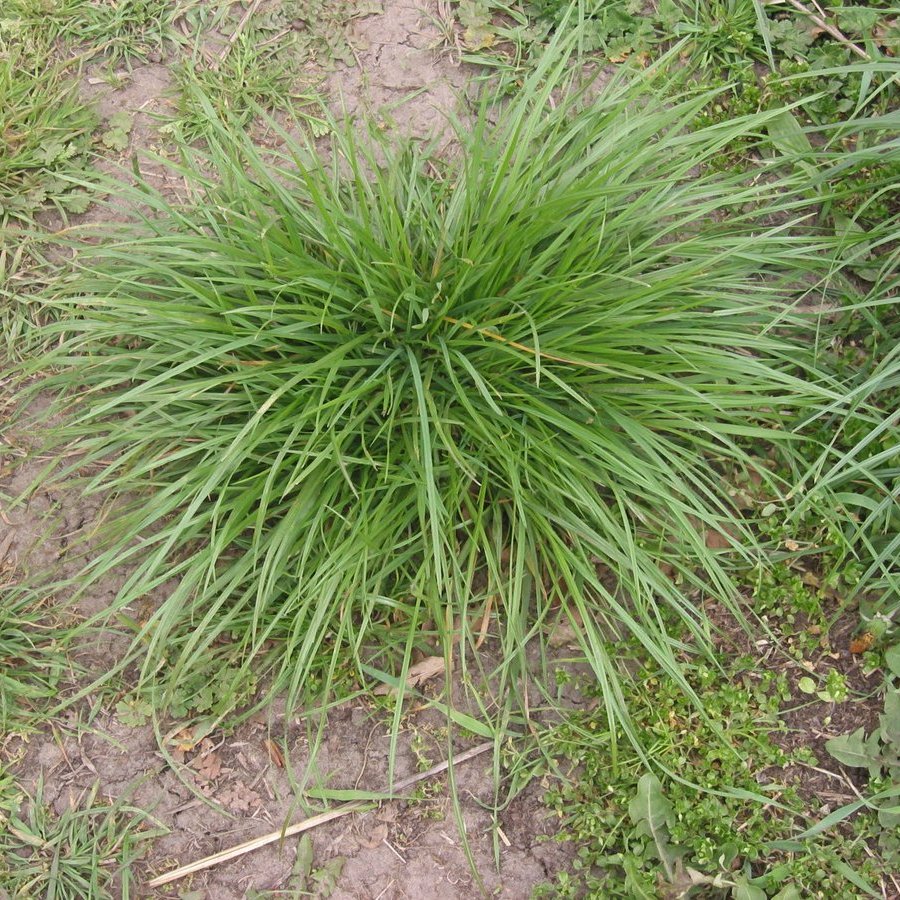
Perennial Ryegrass
Lolium perenne — Poaceae
Perennial ryegrass is a fast-establishing cool-season grass widely used for lawns, pasture, and erosion control. Gardeners value it for its fine texture, quick green-up, and ability to cover bare soil in a short time. It performs best in mild, moist conditions and is often used in mixes for durable turf.
Growing data sourced from the USDA PLANTS Database. Hardiness zones reflect perennial survival — this plant may tolerate a wider range when grown as an annual.
How to Grow
Planting
Perennial ryegrass is most often planted from seed and germinates quickly when sown into prepared soil. For home lawns or cover planting, rake the area smooth, broadcast seed evenly, and lightly cover it with about 1/4 inch of soil or compost. Early fall is the best sowing time in many regions because soil is still warm and weed pressure is lower, though spring sowing is also possible in cooler climates. Choose a site in full sun to partial shade with reasonable drainage, as this grass adapts to sandy, loamy, or clay soils.
Care
This is a rapid-growing bunch grass that benefits from regular mowing if used as turf and occasional overseeding to keep stands dense. Because it is relatively short-lived for a perennial grass, thin patches may appear over time, especially in stressful climates. It grows most actively in spring and summer under favorable moisture conditions. Avoid heavy traffic on newly established areas until roots are well anchored.
Watering
Perennial ryegrass has low drought tolerance, so it performs best with consistent moisture. Keep the seedbed evenly moist during germination and early establishment, watering lightly and frequently as needed. Once established, provide moderate watering to maintain active growth, especially during warm or dry spells. Do not allow soil to stay waterlogged for long periods, since its anaerobic tolerance is low.
Fertilizing
This grass has a medium fertility requirement and responds well to balanced feeding. Incorporate compost before sowing or apply a starter fertilizer at planting if soil is poor. During the growing season, light applications of nitrogen can help maintain color and density, especially in lawns or forage plantings. Avoid overfertilizing, which can encourage excessive top growth and increase disease pressure.
Pruning
Perennial ryegrass does not require pruning in the ornamental sense, but regular mowing is the main maintenance task when grown as turf. Keep mower blades sharp and avoid removing more than one-third of the leaf blade at a time. In meadow, forage, or erosion-control plantings, it can be cut back after seedheads form if a tidier appearance is desired. Remove spent growth at the end of the season if needed to refresh the planting.
Common Problems
Rust diseases
Cause: Fungal pathogens are encouraged by humid weather, dense growth, and excess nitrogen.
Solution: Improve airflow, avoid overfertilizing, mow regularly, and reseed with quality seed if patches decline.
Brown patch
Cause: Warm, humid conditions and prolonged leaf wetness can trigger this turf disease.
Solution: Water early in the day, reduce thatch, avoid heavy evening irrigation, and maintain balanced fertility.
Drought stress
Cause: Perennial ryegrass has low drought tolerance and shallow-rooted stands can dry quickly in heat.
Solution: Provide consistent irrigation during dry periods and mulch adjacent bare areas or overseed with more drought-tolerant grasses if needed.
Thinning or patchy growth
Cause: Short lifespan, soil compaction, heavy traffic, or poor establishment can reduce stand density.
Solution: Aerate compacted soil, overseed thin spots, and limit foot traffic while the grass is establishing.
Root rot in poorly drained soil
Cause: Low anaerobic tolerance means roots suffer when soil stays saturated.
Solution: Improve drainage, avoid overwatering, and do not sow in persistently waterlogged sites.