 Weekend Plant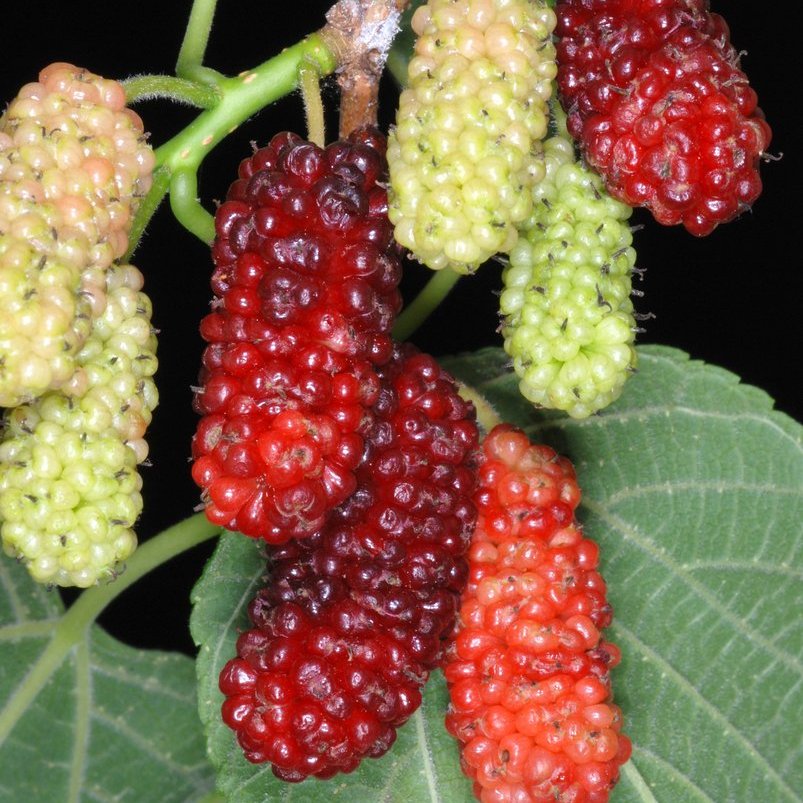
Red Mulberry
Morus rubra — Moraceae
Red mulberry is a large native fruiting tree valued for its sweet, blackberry-like fruits and its ability to support birds and other wildlife. It grows into a broad, rounded shade tree and adapts to a wide range of soils, making it a rewarding choice for larger home landscapes. Gardeners who have room for it will enjoy both its ornamental presence and its abundant edible harvest.
Growing data sourced from the USDA PLANTS Database. Hardiness zones reflect perennial survival — this plant may tolerate a wider range when grown as an annual.
How to Grow
Planting
Plant red mulberry in a site with full sun to partial shade and enough room for its mature size, since it can become a substantial tree over time. It tolerates sandy, loamy, and clay soils and performs best in reasonably well-drained ground with moderate natural moisture. Spring is an ideal planting time for bare-root, container-grown, or seed-grown plants. Choose a permanent location carefully, as this tree develops into a long-lived landscape feature with a broad canopy.
Care
Red mulberry is generally easy to grow once established and needs relatively little special attention. It is tolerant of shade and has low fertility requirements, so it usually performs well without intensive soil amendments. Mulching around the root zone helps conserve moisture, reduce weed competition, and protect young roots, but keep mulch away from the trunk. Because the fruit can stain pavement and patios, it is wise to site the tree away from heavily used hardscapes.
Watering
Provide regular watering during the first few growing seasons to help young trees establish a strong root system. Once established, red mulberry has medium drought tolerance, but it grows and fruits best with consistent moisture during spring and early summer. Water deeply rather than frequently, especially during dry spells, to encourage deeper rooting. Avoid constantly waterlogged conditions, even though the species has some tolerance for periodic wet soils.
Fertilizing
This tree has a low fertility requirement and often grows well in average garden soil without much added fertilizer. If growth seems weak, apply a light layer of compost in spring or use a balanced, slow-release fertilizer sparingly. Overfertilizing can encourage excessive leafy growth at the expense of fruit production and may make branches more prone to breakage. A soil test is the best guide if you are unsure whether nutrients are needed.
Pruning
Prune red mulberry in late winter while the tree is dormant to shape young trees and remove dead, damaged, or crossing branches. Early structural pruning is helpful for developing a strong framework, especially because the tree can become quite large. Mature trees usually need only occasional maintenance pruning to improve airflow and canopy balance. Avoid heavy pruning during active growth, as mulberries can bleed sap and may respond with vigorous but weak new shoots.
Common Problems
Fruit drop and staining
Cause: Heavy crops of ripe berries naturally fall from the tree, especially during peak harvest season.
Solution: Plant the tree away from driveways, patios, and walkways, and harvest frequently to reduce mess. Use ground covers, mulch, or a collection sheet under the canopy during fruiting.
Bird damage
Cause: Birds are strongly attracted to the sweet ripe fruit and may consume much of the crop.
Solution: Harvest promptly as fruit ripens, or use netting on smaller trees where practical. Consider sharing some of the crop, since mulberries are an important wildlife food source.
Powdery mildew
Cause: Humid conditions and poor air circulation can encourage fungal growth on leaves.
Solution: Prune to improve airflow, avoid overcrowding, and water at the base rather than wetting foliage. Remove heavily affected leaves if practical and keep the area clean of fallen debris.
Canker and twig dieback
Cause: Stress, mechanical injury, or fungal infection can lead to branch decline.
Solution: Maintain tree vigor with proper watering and avoid trunk damage from mowers or string trimmers. Prune out affected wood during dry weather and disinfect tools between cuts.
Scale insects
Cause: Sap-feeding scale insects may infest branches and weaken stressed trees.
Solution: Inspect stems regularly and treat small infestations by pruning out affected twigs or using horticultural oil during dormancy. Keep the tree healthy to improve its natural resistance.