 Weekend Plant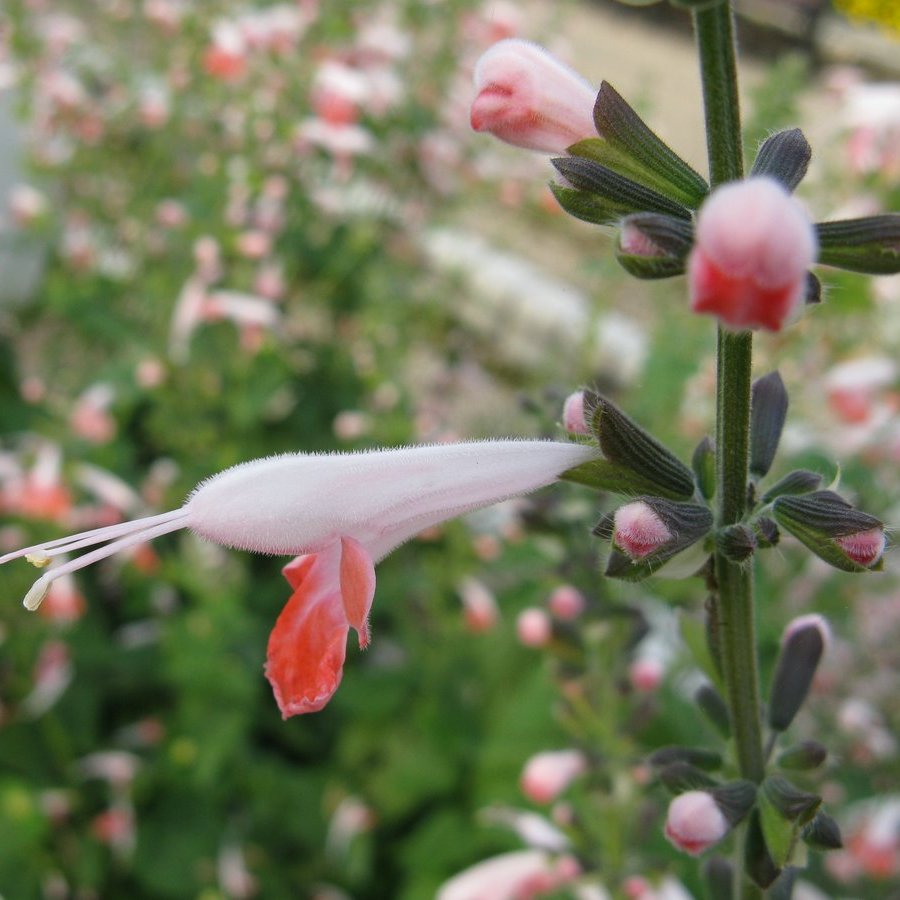
Scarlet Sage
Salvia coccinea — Lamiaceae
Scarlet sage is a cheerful, easy-growing flowering salvia prized for its bright red blooms and long season of color. It attracts hummingbirds, butterflies, and other pollinators, making it a favorite for cottage gardens, borders, and wildlife plantings. In warm climates it may behave as a short-lived perennial, while in cooler areas it is often grown as an annual.
How to Grow
Planting
Plant scarlet sage in a sunny to lightly shaded spot with well-drained soil after the danger of frost has passed. Seeds can be started indoors several weeks before the last frost or sown directly outdoors in warm soil. Press seeds lightly into the soil or cover very lightly, since they germinate best with minimal covering. Space plants about 12 to 18 inches apart to allow good airflow and room for branching.
Care
This is a low-maintenance plant that performs well in garden beds, pollinator borders, and containers. It blooms most heavily in warm weather and often reseeds gently in favorable sites. Mulching around the base helps conserve moisture and suppress weeds without crowding the stems. In frost-free regions, plants may persist and flower over a long season with only basic upkeep.
Watering
Water regularly while young plants establish a healthy root system. Once established, scarlet sage tolerates short dry spells, but it flowers best with moderate, even moisture. Avoid constantly soggy soil, which can lead to root problems and weak growth. Container-grown plants usually need more frequent watering than those in the ground, especially during hot weather.
Fertilizing
Scarlet sage generally does not need heavy feeding to perform well. A light application of balanced fertilizer or compost at planting time is usually enough for the season. Too much nitrogen can produce lush leafy growth at the expense of flowers. In poor soils or containers, a diluted bloom-supporting fertilizer every few weeks can help maintain steady blooming.
Pruning
Deadheading spent flower spikes encourages continued blooming and keeps plants looking tidy. If plants become leggy in midsummer, shear them back lightly to promote bushier regrowth and a fresh flush of flowers. Remove damaged or weak stems as needed to improve airflow. In warm regions where plants overwinter, cut back old growth before new spring growth begins.
Common Problems
Root rot
Cause: Poor drainage or overly wet soil around the roots
Solution: Grow in well-drained soil, avoid overwatering, and improve drainage with organic matter or raised beds.
Powdery mildew
Cause: Humid conditions, crowded plants, and poor air circulation
Solution: Space plants properly, water at the base, and remove affected foliage to improve airflow.
Aphids
Cause: Sap-feeding insects clustering on tender new growth and flower stems
Solution: Spray plants with water, encourage beneficial insects, or use insecticidal soap if infestations are heavy.
Spider mites
Cause: Hot, dry conditions that stress plants and favor mite buildup
Solution: Increase humidity around plants, rinse foliage regularly, and treat severe cases with insecticidal soap.
Leggy growth
Cause: Too much shade or excess nitrogen fertilizer
Solution: Move plants to a sunnier location if possible, reduce high-nitrogen feeding, and pinch or trim stems to encourage branching.