 Weekend Plant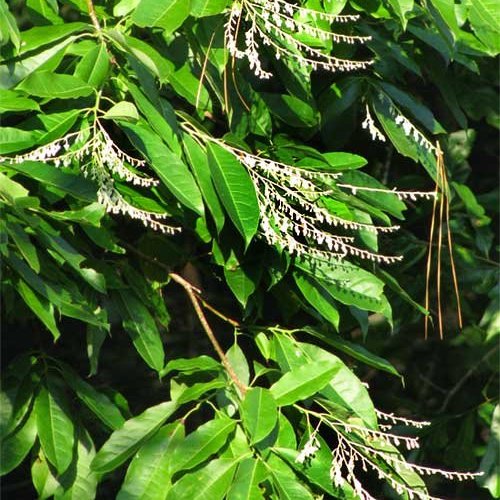
Sourwood
Oxydendrum arboreum — Ericaceae
Sourwood is a graceful native tree prized for its drooping clusters of white summer flowers and brilliant red fall color. It is especially loved by pollinators and is famous as a source of premium sourwood honey. For home gardeners, it makes an elegant specimen tree for acidic, well-drained soils.
Growing data sourced from the USDA PLANTS Database. Hardiness zones reflect perennial survival — this plant may tolerate a wider range when grown as an annual.
How to Grow
Planting
Plant sourwood in spring or fall in a location with acidic, well-drained soil. It grows best in full sun to partial shade, with some afternoon shade helpful in hotter parts of its range. Avoid heavy clay, alkaline soils, and low spots that stay wet, since this tree does not tolerate poor drainage. Give it enough room to develop its naturally narrow to oval form without crowding nearby structures or larger trees.
Care
Sourwood is a relatively low-maintenance tree once established, but it performs best when site conditions are right. Because it is an ericaceous plant, it prefers acidic soil and may struggle if planted where pH is too high. A layer of mulch around the root zone helps keep the soil cool, conserve moisture, and reduce weed competition. Keep mulch a few inches away from the trunk to prevent bark problems.
Watering
Water regularly during the first one to two growing seasons to help establish a deep root system. After establishment, sourwood has medium drought tolerance, but it still benefits from occasional deep watering during extended dry spells. The USDA data indicates low moisture use, so avoid overwatering, especially in poorly drained soils. Consistent moisture is most important during hot weather and while the tree is flowering or putting on new growth.
Fertilizing
Sourwood generally has low fertility requirements and often needs little supplemental feeding if planted in suitable soil. If growth is weak or foliage appears pale, apply a light dose of fertilizer formulated for acid-loving plants in early spring. Avoid heavy fertilization, which can encourage overly soft growth and stress the tree. Compost or leaf mold can also be used to gently improve soil structure and organic matter without raising pH too much.
Pruning
Prune sourwood lightly in late winter or very early spring before active growth begins. Remove dead, damaged, or crossing branches and maintain a strong central leader if you want a clean single-trunk form. This tree naturally has an attractive shape, so heavy pruning is rarely needed. Avoid excessive cutting, since sourwood can be slow to recover from major pruning.
Common Problems
Chlorosis
Cause: Soil pH is too high, making iron and other nutrients less available.
Solution: Plant in acidic soil and avoid lime. Use an acid-forming fertilizer or chelated iron if needed, and test soil pH before making amendments.
Root rot
Cause: Poor drainage or overly wet soil around the roots.
Solution: Choose a well-drained planting site and avoid overwatering. Improve drainage before planting rather than trying to correct soggy soil later.
Leaf scorch
Cause: Hot, dry conditions, drought stress, or reflected heat from pavement and walls.
Solution: Water deeply during dry periods and mulch the root zone to conserve moisture. In hot climates, provide some afternoon shade.
Twig dieback
Cause: Environmental stress such as drought, transplant shock, or unsuitable soil conditions.
Solution: Keep the tree evenly watered while establishing and avoid disturbing the roots. Maintain proper soil acidity and mulch to reduce stress.
Canker diseases
Cause: Fungal pathogens entering through wounds or stressed bark.
Solution: Prune out affected branches with clean tools and avoid injuring the trunk or limbs. Keep the tree healthy with proper siting and watering to reduce susceptibility.