 Weekend Plant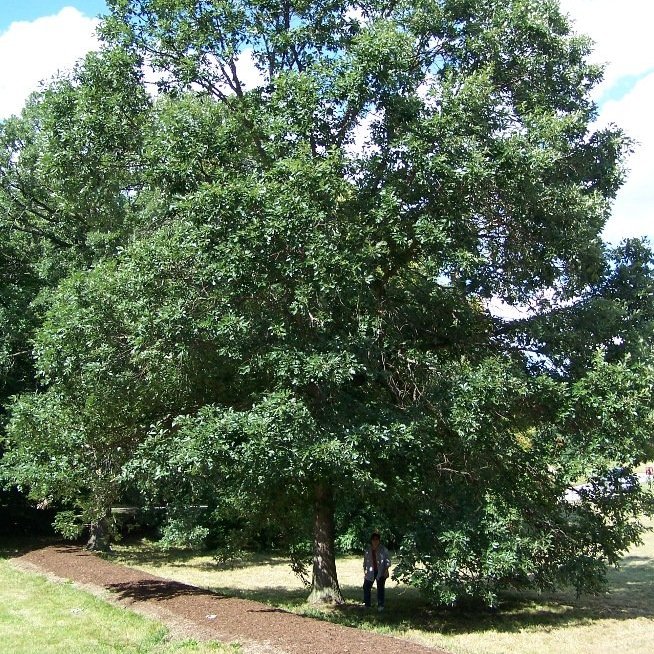
Swamp White Oak
Quercus bicolor — Fagaceae
Swamp white oak is a stately native shade tree valued for its handsome rounded form, attractive peeling bark, and glossy green leaves with silvery undersides. It is especially useful in landscapes with heavier or seasonally wet soils where many other oaks struggle. Once established, it becomes a long-lived ornamental and wildlife-friendly tree that adds lasting structure to large yards and naturalized spaces.
Growing data sourced from the USDA PLANTS Database. Hardiness zones reflect perennial survival — this plant may tolerate a wider range when grown as an annual.
How to Grow
Planting
Plant swamp white oak in a location with full sun to partial shade and plenty of room for its mature size. It adapts to sandy, loamy, or clay soils and is especially well suited to moist, low-lying, or seasonally wet sites. Although it tolerates a range of soil textures, it performs best in acidic soils and may struggle in strongly alkaline conditions. Young trees are best planted in spring or fall, with the root flare kept at or slightly above soil level.
Care
This oak is a durable, long-lived tree that needs relatively little attention once established. It grows best where it can develop a strong central trunk and broad canopy without crowding from nearby trees or structures. Mulch around the root zone to conserve moisture and reduce competition from turf, but keep mulch a few inches away from the trunk. Because it is slow to moderate in growth, patience is important during the establishment years.
Watering
Swamp white oak has high moisture use and appreciates consistent soil moisture, especially while young. Water deeply and regularly during the first few growing seasons to encourage a broad, resilient root system. It tolerates periodic wet conditions better than many landscape trees, but newly planted specimens should not be left to dry out for long periods. During extended drought, supplemental watering helps reduce stress since its drought tolerance is low.
Fertilizing
In most garden soils, this tree does not need heavy fertilization. If growth is weak or foliage appears pale, apply a balanced, slow-release tree fertilizer in early spring according to label directions. Avoid overfertilizing, which can lead to overly soft growth and unnecessary stress. A soil test is especially useful if planting in difficult soils, since swamp white oak prefers moderately fertile, acidic conditions.
Pruning
Prune in late winter while the tree is dormant to remove dead, damaged, or poorly placed branches. Young trees benefit from light structural pruning to maintain a strong single leader and well-spaced scaffold branches. Avoid heavy pruning, especially in spring and early summer, as this can stress the tree and attract pests. Remove crossing branches early so the tree develops a sturdy framework as it matures.
Common Problems
Oak wilt
Cause: A serious fungal disease spread through root grafts or by beetles visiting fresh pruning wounds.
Solution: Avoid pruning during the growing season when vectors are active, prune only in dormancy, and consult a certified arborist if symptoms appear. Infected trees may require professional management.
Chlorosis
Cause: Leaves yellow when trees are grown in soils that are too alkaline or poorly suited to nutrient uptake.
Solution: Plant in acidic soil when possible, improve root conditions, and use soil testing to guide amendments. Iron treatments may help temporarily, but correcting soil conditions is the best long-term fix.
Leaf spot and anthracnose
Cause: Fungal diseases are more common in cool, wet weather and can blemish foliage.
Solution: Rake and dispose of fallen leaves, improve air circulation, and keep the tree healthy with proper watering and mulching. Established trees usually recover without major treatment.
Scale insects
Cause: Sap-feeding insects can weaken branches and lead to sticky honeydew or sooty mold.
Solution: Inspect twigs and branches regularly, encourage beneficial insects, and treat severe infestations with horticultural oil during the appropriate season.
Drought stress
Cause: Despite being an oak, this species has low drought tolerance and can suffer in prolonged dry periods.
Solution: Water deeply during dry spells, maintain mulch over the root zone, and avoid planting in hot, dry sites without irrigation.