 Weekend Plant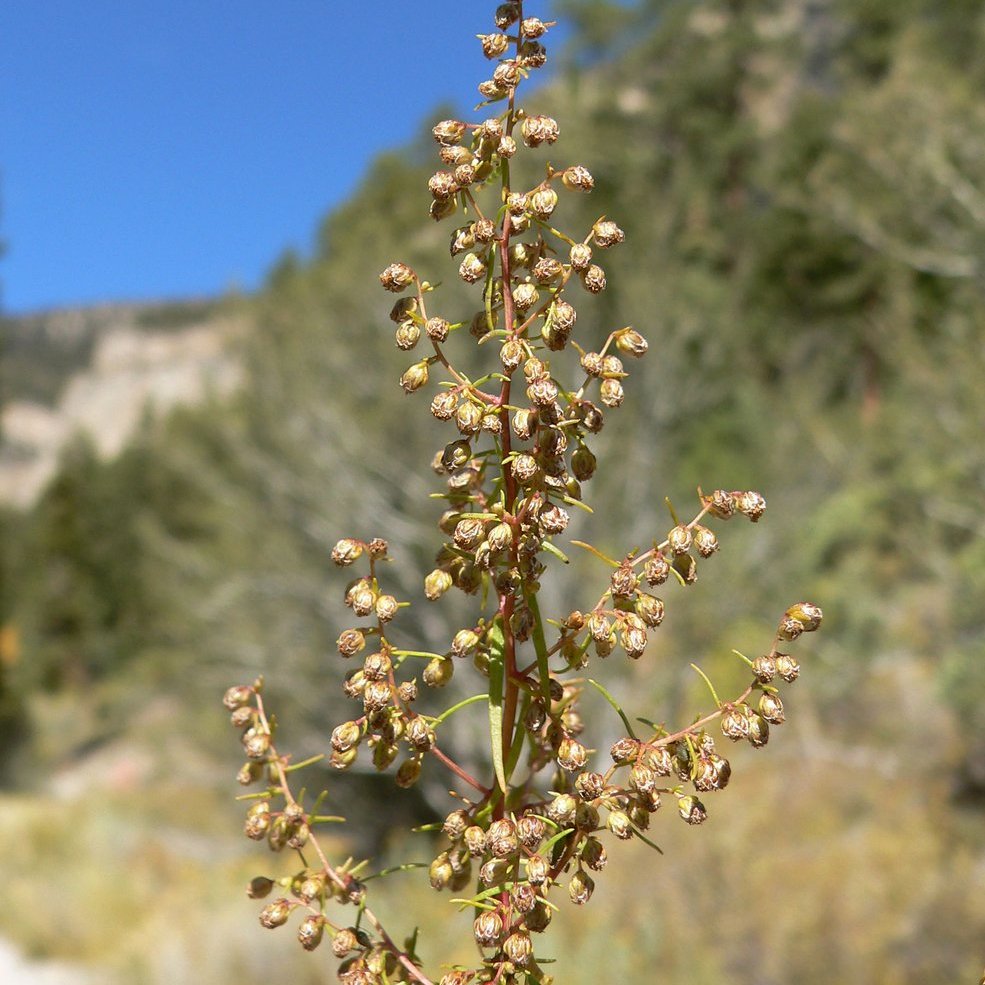
Tarragon
Artemisia dracunculus — Asteraceae
Tarragon is a classic culinary herb prized for its narrow, aromatic leaves and distinctive anise-like flavor. French tarragon is the preferred garden and kitchen form, especially for sauces, vinegars, and egg dishes. This easy perennial does best in sunny spots with sharp drainage and rewards gardeners with repeated harvests through the growing season.
How to Grow
Planting
Plant tarragon in spring after the danger of hard frost has passed, choosing a site with plenty of sun and well-drained soil. French tarragon is usually planted from divisions or nursery starts because it rarely produces viable seed true to type. Space plants 18 to 24 inches apart so air can move freely around the foliage. Tarragon also grows very well in raised beds and containers, especially where soils are heavy or wet.
Care
Tarragon is a relatively low-maintenance herb once established. It performs best in lean to moderately fertile soil and can become less flavorful if overpampered. Mulch lightly to suppress weeds, but keep mulch away from the crown to prevent rot. In colder regions, a light winter mulch can help protect roots from repeated freeze-thaw cycles.
Watering
Water newly planted tarragon regularly until it develops a strong root system. After establishment, allow the soil surface to dry slightly between waterings, as this herb prefers conditions that are not constantly wet. Deep, occasional watering is better than frequent shallow watering. Container-grown plants will need more frequent checks because pots dry out faster than garden beds.
Fertilizing
Tarragon generally needs very little fertilizer to grow well. Too much feeding can lead to lush, weak growth with reduced flavor intensity. If your soil is poor, mix in a small amount of compost at planting time or apply a light top-dressing in spring. Avoid heavy applications of high-nitrogen fertilizer.
Pruning
Pinch or snip stems regularly to encourage bushier growth and a steady supply of tender leaves. Remove flower stalks when they appear if you want to keep the plant focused on leaf production. Cut plants back lightly through summer to prevent legginess, but avoid removing too much at once during extreme heat. In late fall or early spring, trim away dead stems to tidy the plant and make room for fresh growth.
Harvesting
When to Harvest
Begin harvesting once the plant is well established and has put on several inches of new growth, usually from late spring onward. The best flavor is often found before flowering and during active growth. Harvest regularly through summer and into early fall, but reduce cutting as cold weather approaches.
How to Harvest
Snip young stems or individual leaves with clean scissors or pruners, taking no more than one-third of the plant at a time. For the best culinary quality, harvest in the morning after dew has dried. Frequent light harvesting helps keep the plant compact and productive. Use fresh leaves whenever possible for the strongest flavor.
Storage
Fresh tarragon can be wrapped in a slightly damp paper towel and stored in the refrigerator for several days. Leaves may also be frozen, either whole or chopped into butter, oil, or water in ice cube trays. Drying is possible, but some of the delicate flavor is lost compared to fresh or frozen leaves. Tarragon is also excellent infused into vinegar for longer storage.
Common Problems
Root rot
Cause: Poor drainage or overly wet soil around the roots and crown.
Solution: Grow tarragon in sharply drained soil or containers, water only when needed, and avoid letting mulch or soggy soil sit against the crown.
Powdery mildew
Cause: Humid conditions, poor air circulation, and crowded growth.
Solution: Space plants properly, prune to improve airflow, water at the base, and remove badly affected foliage.
Aphids
Cause: Small sap-sucking insects clustering on tender new growth.
Solution: Spray plants with a strong stream of water, encourage beneficial insects, or use insecticidal soap if infestations persist.
Winter dieback
Cause: Cold injury, wet winter soils, or repeated freeze-thaw stress.
Solution: Plant in well-drained soil, apply light winter protection in colder areas, and avoid heavy wet mulch directly over the crown.
Leggy growth
Cause: Too much shade, excessive fertilizer, or lack of regular harvesting.
Solution: Move or plant in a sunnier location, reduce feeding, and pinch back stems often to keep plants compact.