 Weekend Plant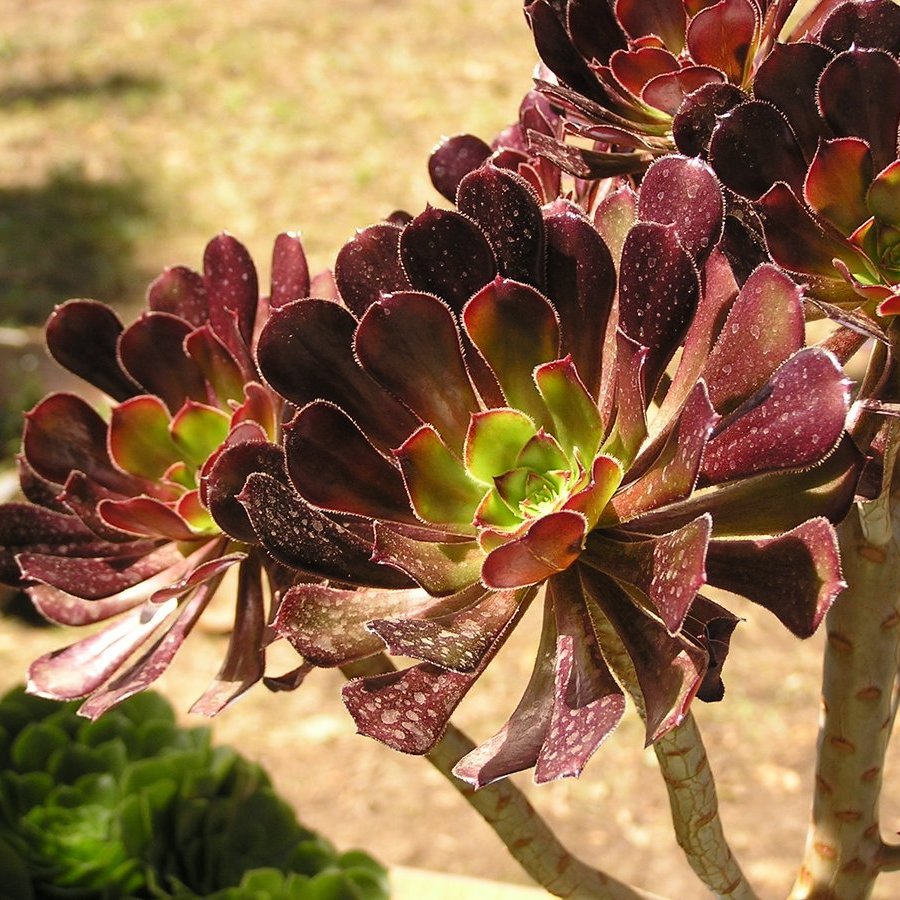
Tree Aeonium
Aeonium arboreum — Crassulaceae
Tree aeonium is a striking succulent shrub grown for its branching stems topped with bold rosettes of fleshy leaves. It brings strong architectural shape to containers, rock gardens, and dry borders, especially in mild coastal climates. Easy to grow with the right drainage, it is a great choice for gardeners who want low-maintenance color and texture.
How to Grow
Planting
Plant tree aeonium in a spot with excellent drainage, whether in the ground, a raised bed, rock garden, or container. It performs best in mild climates where winters are not severely cold, and it is especially well suited to Mediterranean-style gardens. Use a gritty cactus or succulent mix if growing in pots, or amend heavy soil with coarse sand or gravel before planting. Set the crown slightly above the soil line to help prevent rot.
Care
Tree aeonium is generally easy to care for and needs little attention once established. It grows most actively during the cooler parts of the year in many climates and may slow down during intense summer heat. Provide some afternoon shade in very hot inland areas to prevent leaf scorch, while giving more sun in cooler coastal regions to maintain compact growth. Protect plants from frost, especially prolonged freezes, which can damage stems and foliage.
Watering
Water sparingly and allow the soil to dry between waterings. During active growth, give a deep soak when the top layer of soil has dried, but reduce watering significantly during hot summer dormancy or cool wet weather. Container plants may need slightly more frequent watering than those in the ground, but they should never sit in soggy soil. Overwatering is the most common cause of problems with this plant.
Fertilizing
Tree aeonium does not need heavy feeding and usually performs well in average, lean soil. A light application of diluted succulent fertilizer or a balanced liquid feed once or twice during the active growing season is enough. Avoid high-nitrogen fertilizers, which can encourage weak, overly soft growth. In rich garden soil, additional fertilizer may not be necessary at all.
Pruning
Pruning is mainly done to shape the plant, remove damaged stems, or encourage branching. Cut back leggy stems just above a leaf node or branch point, and healthy cuttings can be rooted to make new plants. Remove spent flower stalks after blooming, keeping in mind that individual rosettes may die after flowering while side shoots continue growing. Always use clean, sharp tools and let cut surfaces dry briefly before replanting cuttings.
Common Problems
Root rot
Cause: Poor drainage or excessive watering keeps the roots too wet.
Solution: Grow in sharply drained soil, reduce watering, and remove any rotted parts before replanting in fresh dry mix.
Mealybugs
Cause: These sap-sucking insects often hide in leaf axils and on stems, especially on stressed plants.
Solution: Wipe them off with cotton swabs dipped in alcohol or use insecticidal soap, and isolate infested plants if grown in containers.
Aphids on flower stalks
Cause: Tender new growth and blooms can attract aphids.
Solution: Spray off with water, prune heavily infested stalks, or treat with insecticidal soap.
Sun scorch
Cause: Sudden exposure to intense hot sun, especially after shade growing, can burn the leaves.
Solution: Acclimate plants gradually to stronger light and provide afternoon shade in very hot climates.
Leggy growth
Cause: Insufficient light causes stretched stems and loose rosettes.
Solution: Move the plant to a brighter location and prune back elongated stems to encourage compact regrowth.