 Weekend Plant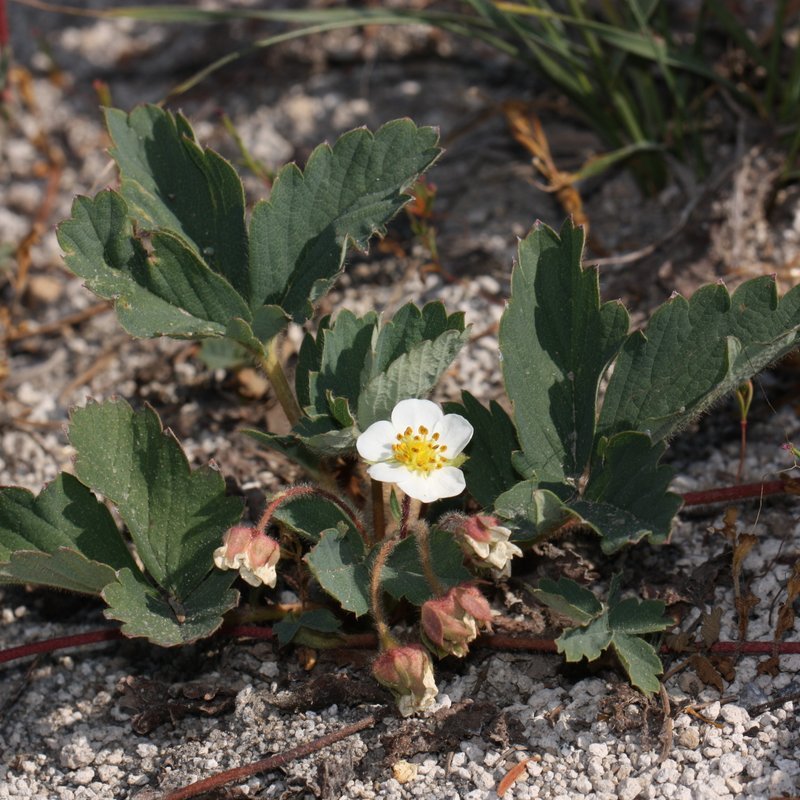
Wild Strawberry
Fragaria vesca — Rosaceae
Wild strawberry is a charming, low-growing perennial that produces small, intensely flavored berries far sweeter and more aromatic than many supermarket strawberries. Its neat green foliage, white flowers, and spreading habit make it a lovely choice for edible borders, woodland gardens, and containers. Easy to tuck into small spaces, it rewards gardeners with both beauty and delicious fruit.
How to Grow
Planting
Plant wild strawberries in spring or fall in loose, fertile soil with good drainage. They grow best in a spot with morning sun and some afternoon shade in warmer climates, though they can handle fuller sun where summers are mild. Space plants 8 to 12 inches apart so they have room to spread into a soft groundcover. If starting from seed, sow shallowly and keep the surface evenly moist until germination, which can be slow and uneven.
Care
This plant is generally easy to grow once established and needs only light routine attention. A mulch of straw, leaf mold, or compost helps keep fruit clean, suppress weeds, and maintain even soil moisture. Remove weeds carefully, since wild strawberries have shallow roots that do not like disturbance. Plants can be refreshed every few years by thinning crowded patches and replanting vigorous young runners or seedlings.
Watering
Wild strawberries prefer consistently moist soil, especially while flowering and fruiting, but they do not like soggy conditions. Water deeply when the top inch of soil begins to dry, aiming to keep moisture even rather than alternating between very dry and very wet. During hot or dry weather, plants may need more frequent watering, particularly in containers. Water at the base to reduce the risk of leaf diseases and fruit rot.
Fertilizing
Too much fertilizer can lead to lush leaves at the expense of fruit, so feed lightly. Work compost or well-rotted organic matter into the soil before planting, and top-dress annually with a thin layer of compost in early spring. If growth seems weak, a balanced, low-strength fertilizer can be applied once as new growth begins. Avoid heavy nitrogen feeding, which encourages soft growth and fewer berries.
Pruning
Pruning needs are minimal, but regular cleanup keeps plants productive and tidy. Remove dead, damaged, or diseased leaves as they appear, especially after fruiting. Trim excess runners if plants begin to spread beyond their allotted space, or allow them to root where you want a fuller patch. After harvest, lightly tidy the planting to improve airflow and reduce overwintering pests and diseases.
Harvesting
When to Harvest
Harvest wild strawberries when the berries are fully colored, fragrant, and slightly soft, usually from late spring through summer depending on climate. Fruits ripen quickly and are best picked every day or two during peak season.
How to Harvest
Pick berries gently by hand, pinching or snipping the stem just above the fruit to avoid bruising. Harvest in the cool part of the morning for the best flavor and texture. Because the fruits are small and delicate, handle them carefully and avoid piling them too deeply.
Storage
Wild strawberries are highly perishable and are best eaten soon after picking. Store unwashed berries in a shallow container in the refrigerator for 1 to 2 days. For longer keeping, freeze them in a single layer first, or turn them into jam, syrup, or desserts.
Common Problems
Slugs and snails
Cause: Moist conditions and dense groundcover provide shelter for these pests, which feed on leaves and ripening fruit.
Solution: Hand-pick at dusk, reduce hiding places, water early in the day, and use barriers or slug bait suitable for edible gardens if needed.
Gray mold
Cause: Botrytis fungal disease develops in cool, damp weather and where plants have poor airflow or fruit sits on wet soil.
Solution: Space plants properly, mulch under fruit, remove infected berries promptly, and water at the base rather than overhead.
Bird damage
Cause: Birds are attracted to the sweet, ripening berries and may strip plants quickly.
Solution: Cover plants with bird netting as fruits begin to color, or use garden cloches or cages to protect the crop.
Powdery mildew
Cause: This fungal issue appears when plants are crowded and air circulation is poor, especially in warm, humid conditions.
Solution: Thin overcrowded growth, avoid overhead watering, and remove badly affected leaves to improve airflow.
Root rot
Cause: Poor drainage and waterlogged soil can damage roots and weaken or kill plants.
Solution: Grow in well-drained soil, avoid overwatering, and amend heavy ground with organic matter before planting.