Trees are a long-term investment in your landscape. Our guides cover selection, planting, establishment care, and ongoing maintenance to help your trees thrive for decades.
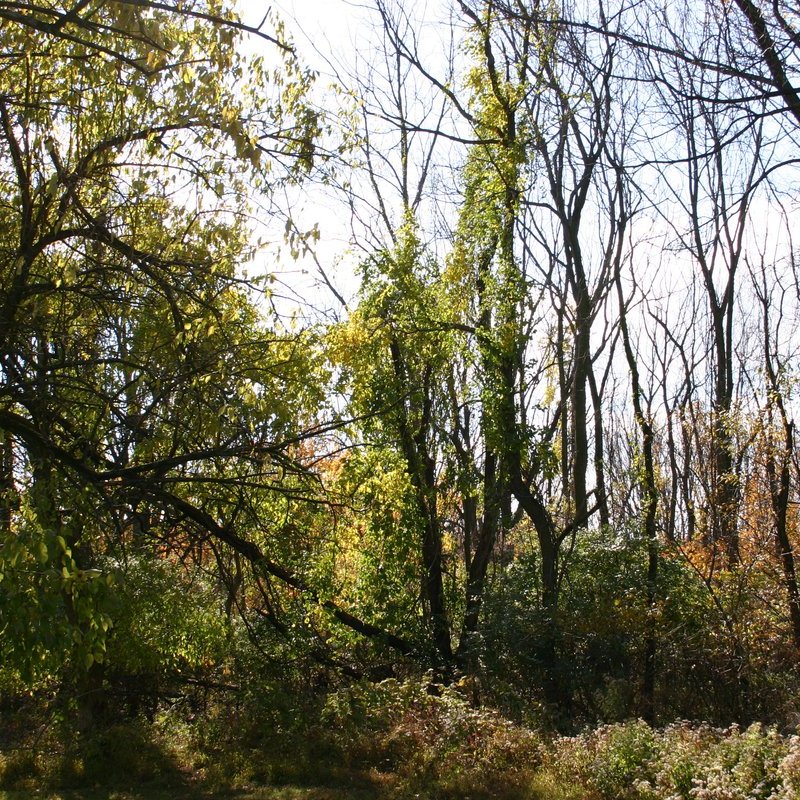
Osage orange is a tough, adaptable deciduous tree best known for its large, wrinkled green-to-orange fruits and dense, thorny branching. It has long been valued for living fences, windbreaks, and its exceptionally durable wood. For home gardeners, it is a striking choice where a rugged, low-maintenance tree or barrier planting is needed.
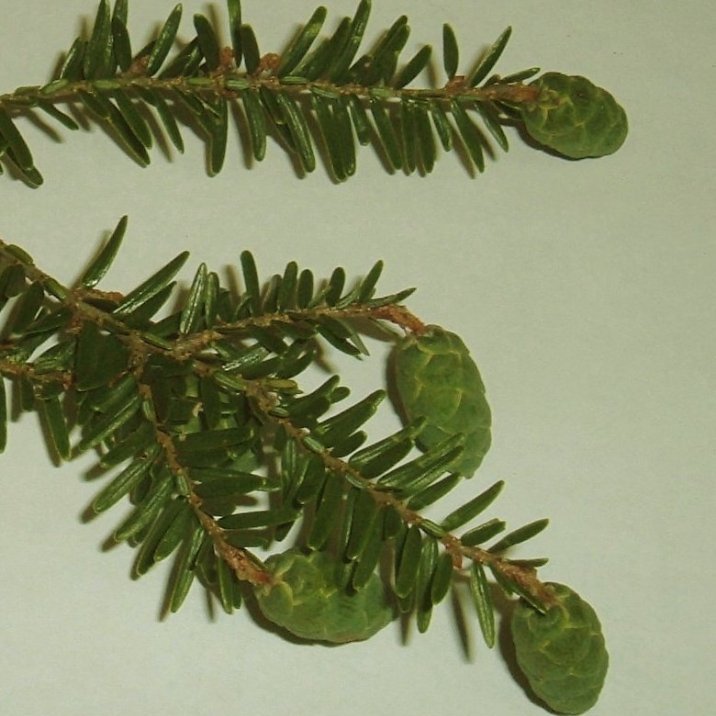
Eastern hemlock is a graceful native evergreen tree prized for its soft, feathery needles and elegant, slightly drooping branches. It makes a beautiful specimen tree or screen in cool, moist landscapes and brings year-round structure to woodland gardens. This long-lived conifer is especially valued for its ability to tolerate shade better than many other evergreens.
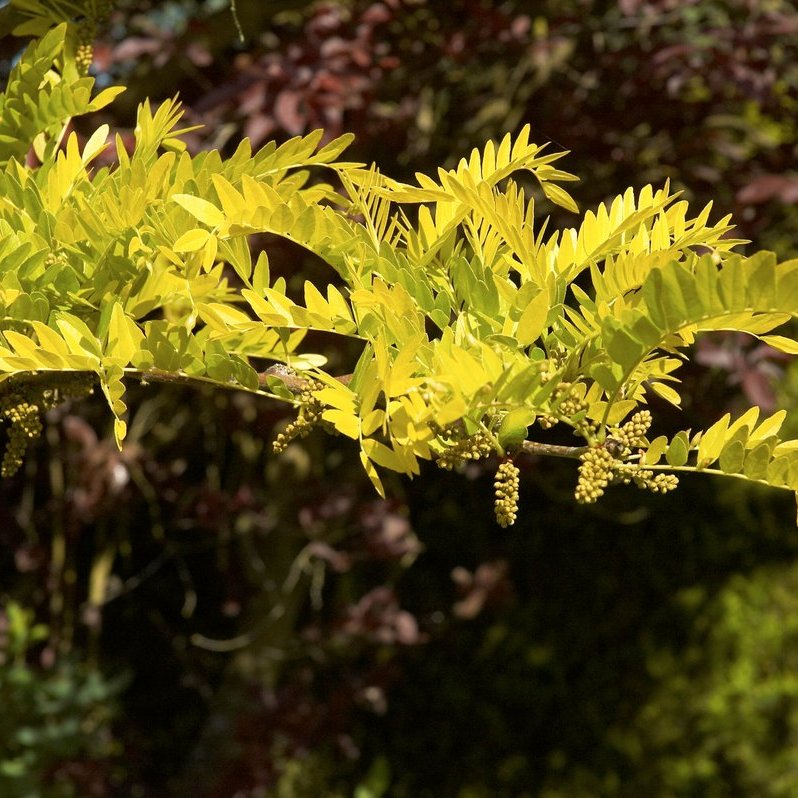
Honey locust is a fast-growing deciduous shade tree valued for its airy canopy, fine-textured foliage, and adaptability to tough growing conditions. It is widely planted in landscapes because it tolerates heat, drought, and urban stress better than many other large trees. Thornless selections are especially popular for home gardens, while the species is also known for its long seed pods and rugged character.
Sassafras is a distinctive native North American tree known for its aromatic bark, roots, and uniquely shaped leaves that can appear oval, mitten-shaped, or three-lobed on the same plant. It brings strong seasonal interest with yellow spring flowers, blue summer fruits on red stalks, and glowing fall color. For home gardeners, it is a handsome choice for naturalized landscapes, wildlife plantings, and spacious native gardens.
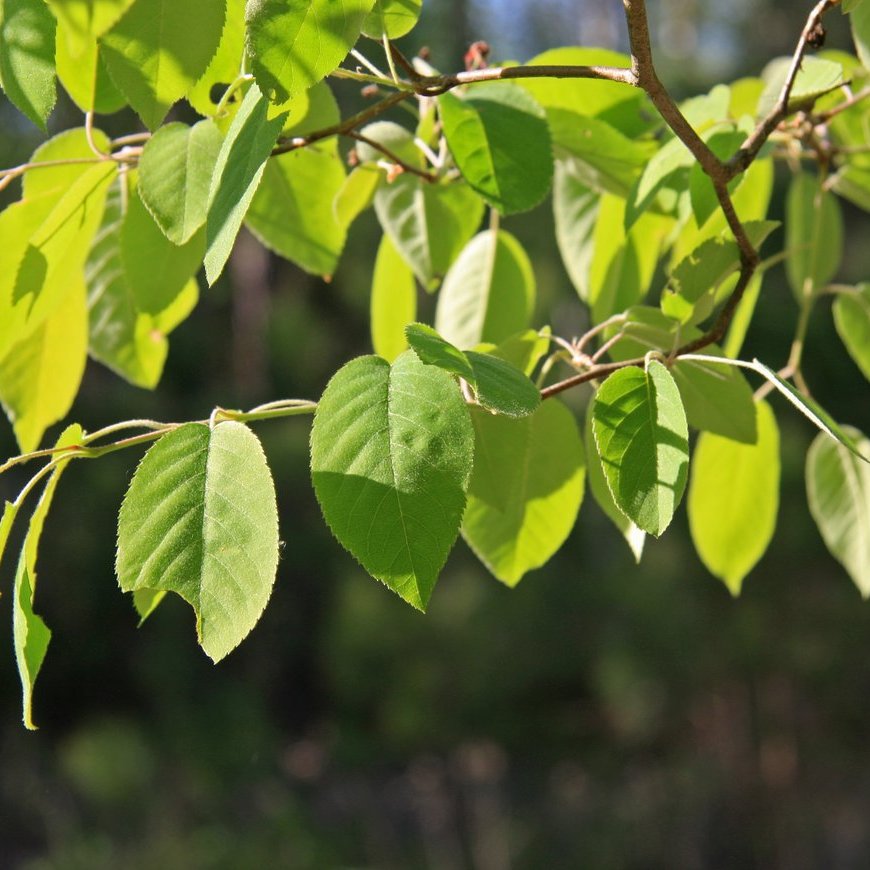
Downy serviceberry is a charming native small tree grown for its clouds of white spring flowers, attractive fall color, and sweet edible berries. It fits beautifully into home landscapes as both an ornamental and a wildlife-friendly plant. Gardeners love it for its natural woodland character and its ability to thrive in a range of garden settings.
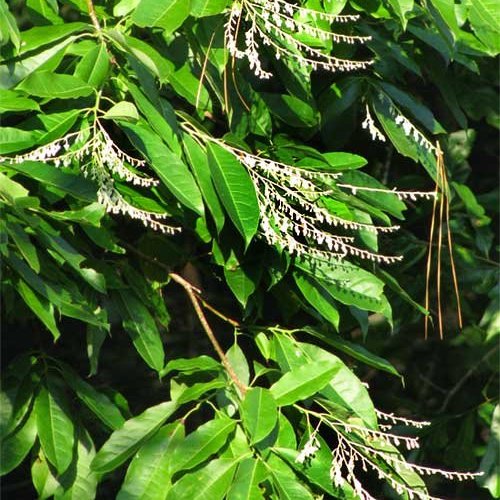
Sourwood is a graceful native tree prized for its drooping clusters of white summer flowers and brilliant red fall color. It is especially loved by pollinators and is famous as a source of premium sourwood honey. For home gardeners, it makes an elegant specimen tree for acidic, well-drained soils.
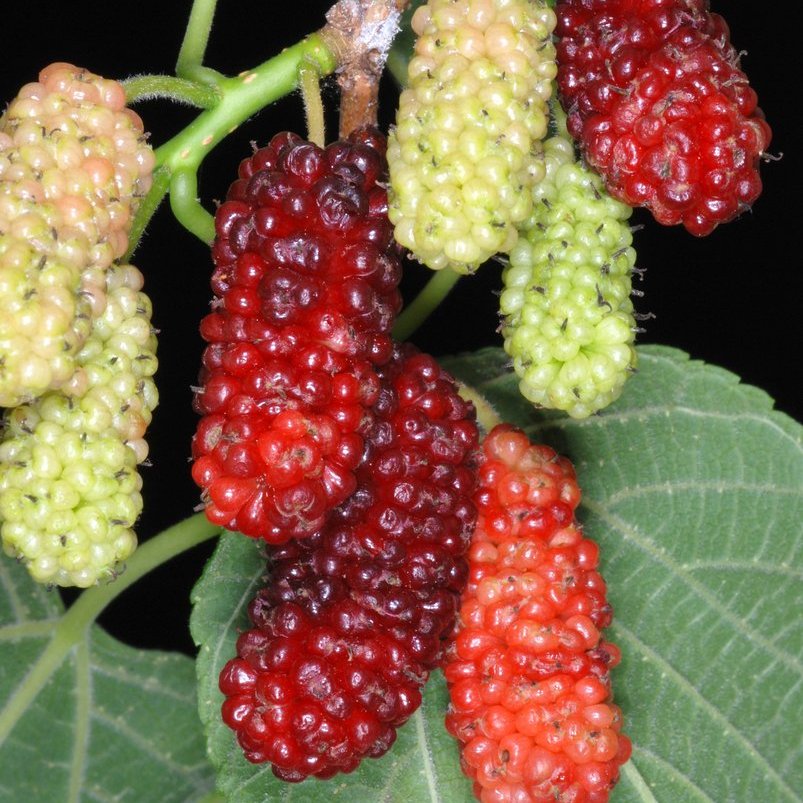
Red mulberry is a large native fruiting tree valued for its sweet, blackberry-like fruits and its ability to support birds and other wildlife. It grows into a broad, rounded shade tree and adapts to a wide range of soils, making it a rewarding choice for larger home landscapes. Gardeners who have room for it will enjoy both its ornamental presence and its abundant edible harvest.
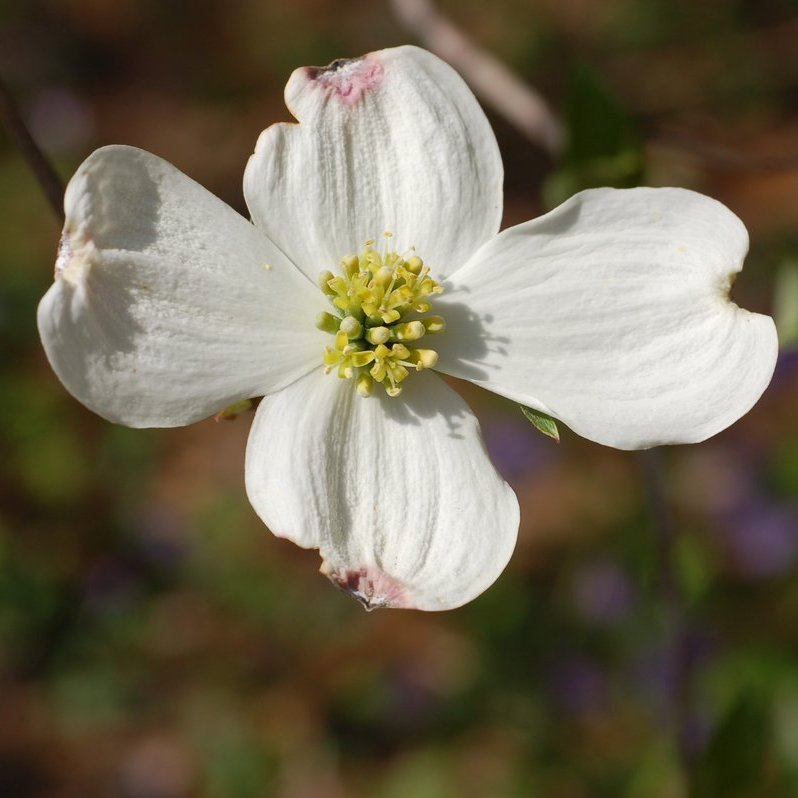
Flowering dogwood is a beloved small native tree grown for its showy white spring bracts, red fall fruit, and rich autumn color. It fits beautifully into home landscapes as a specimen tree, woodland edge planting, or wildlife-friendly accent. With the right siting and steady moisture, it rewards gardeners with year-round beauty.
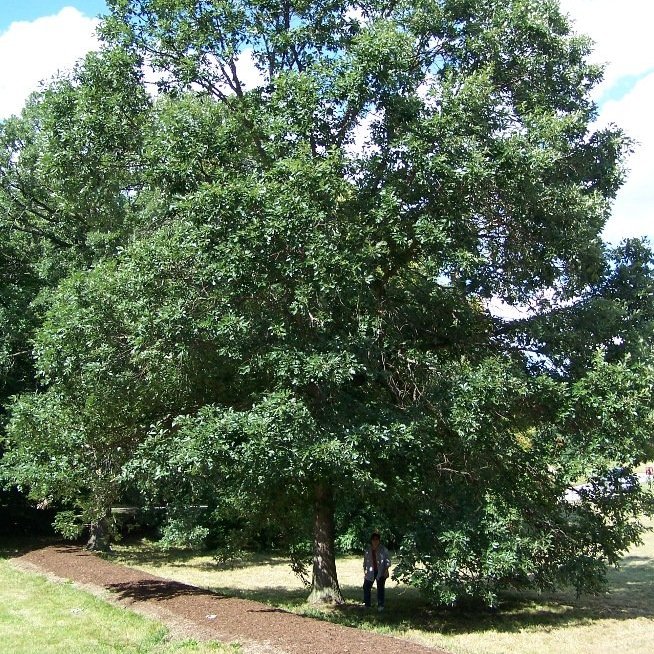
Swamp white oak is a stately native shade tree valued for its handsome rounded form, attractive peeling bark, and glossy green leaves with silvery undersides. It is especially useful in landscapes with heavier or seasonally wet soils where many other oaks struggle. Once established, it becomes a long-lived ornamental and wildlife-friendly tree that adds lasting structure to large yards and naturalized spaces.
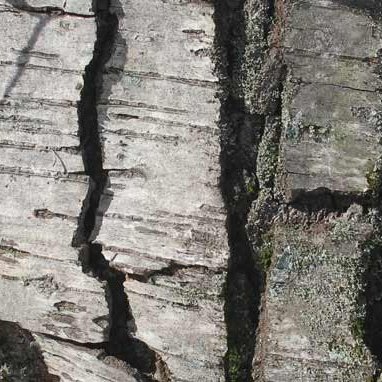
Black birch is a handsome native deciduous tree valued for its glossy bark, graceful form, and spicy wintergreen scent in its twigs. It makes an excellent long-term shade tree for larger landscapes and naturalized plantings. Gardeners also appreciate its wildlife value and strong adaptation to eastern North American woodland conditions.
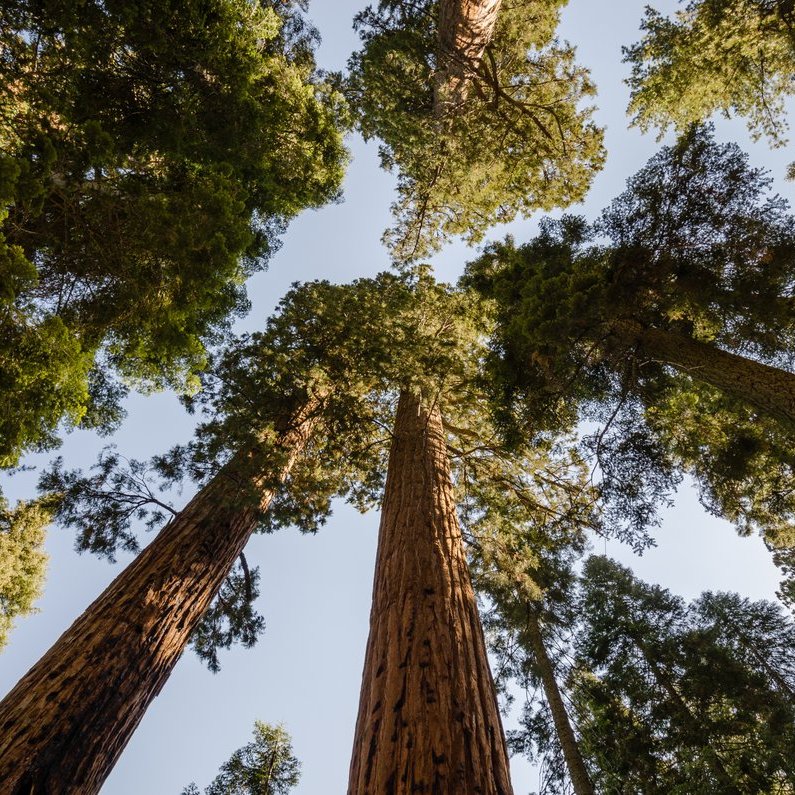
Giant sequoia is one of the most awe-inspiring trees a gardener can grow, prized for its massive size, reddish bark, and stately conical form. While it is best suited to large properties, parks, and arboretum-style landscapes, young trees can make striking specimen plantings in the right climate. This evergreen conifer is long-lived and ornamental, offering year-round structure and a strong sense of permanence in the landscape.
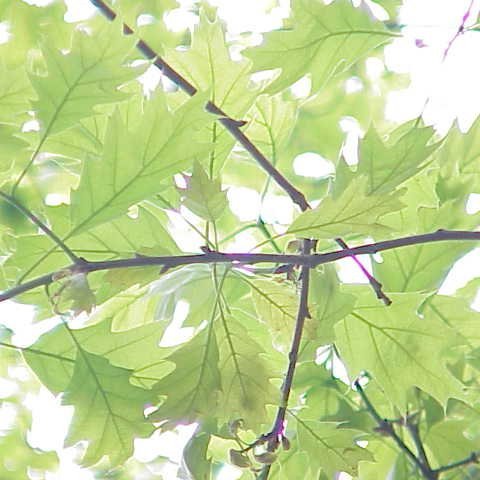
Northern red oak is a stately native shade tree valued for its strong branching structure, handsome lobed leaves, and rich red to russet fall color. It grows into a large, long-lived landscape tree that supports wildlife while also providing cooling shade for big yards and parks. Best suited to gardeners with space, it rewards patience with decades of beauty and ecological value.
 Weekend Plant