Detailed plant profiles with growing tips for weekend gardeners. Browse by category or search for a specific plant to find zone-specific planting advice, care instructions, and troubleshooting help.
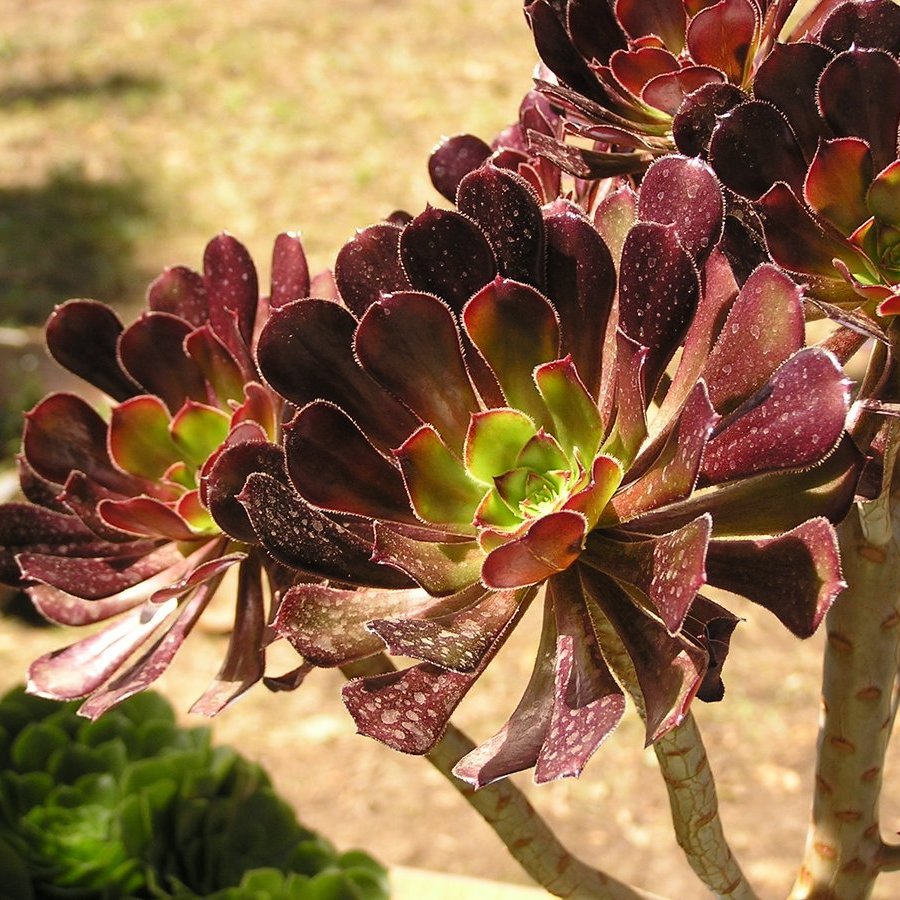
Tree aeonium is a striking succulent shrub grown for its branching stems topped with bold rosettes of fleshy leaves. It brings strong architectural shape to containers, rock gardens, and dry borders, especially in mild coastal climates. Easy to grow with the right drainage, it is a great choice for gardeners who want low-maintenance color and texture.
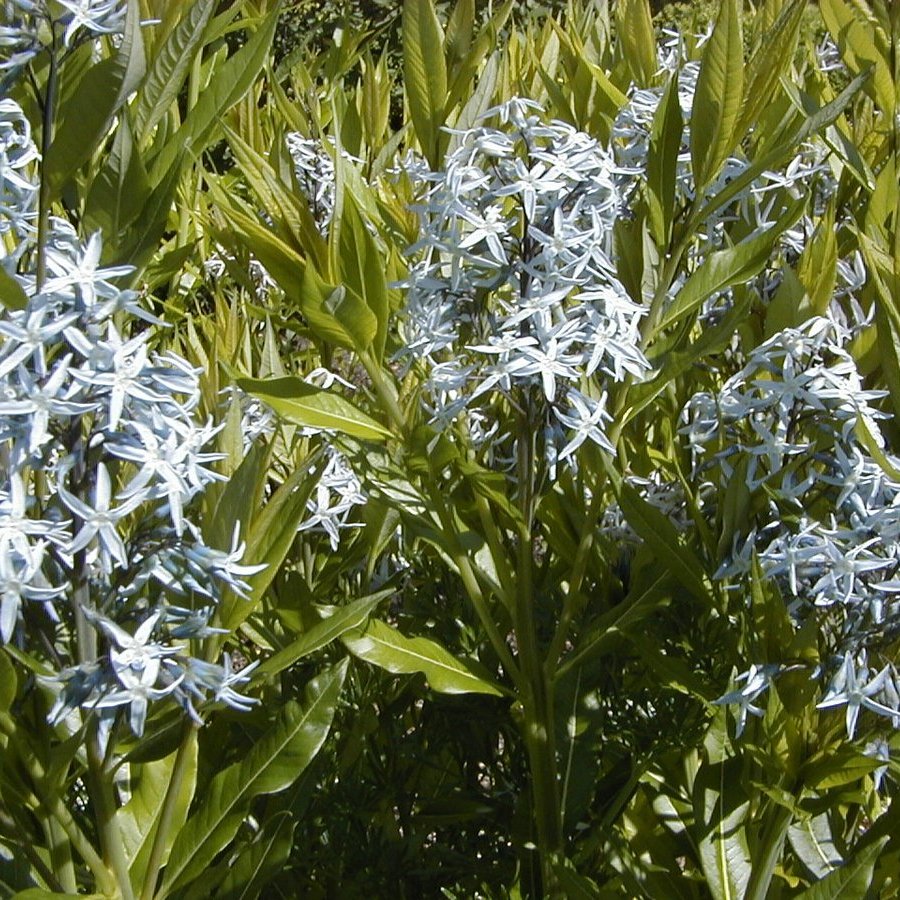
Bluestar is a dependable native perennial grown for its clusters of soft, star-shaped blue flowers and its fine-textured foliage. It brings long-lasting garden value, blooming in spring and often turning a rich golden yellow in fall. Easy to grow and adaptable, it fits beautifully into borders, pollinator gardens, and naturalistic plantings.
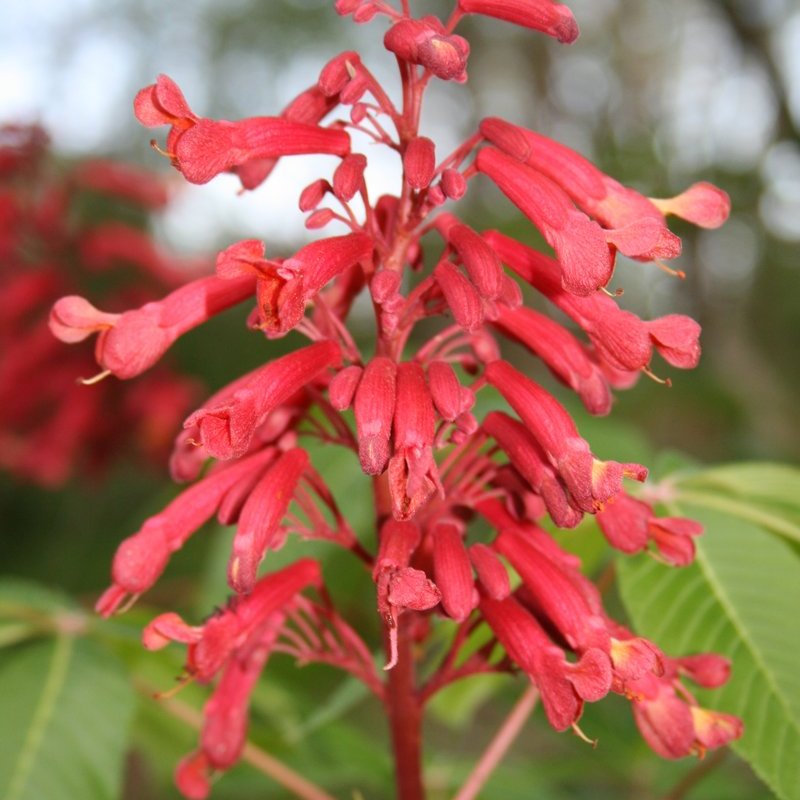
Red buckeye is a small native tree prized for its bold red spring flowers and tidy, rounded form. It is especially valuable in wildlife-friendly landscapes, where its nectar-rich blooms attract hummingbirds and early pollinators. This ornamental species performs best in moist soils and can handle more shade than many flowering trees.

Giant sequoia is one of the most awe-inspiring trees a gardener can grow, prized for its massive size, reddish bark, and stately conical form. While it is best suited to large properties, parks, and arboretum-style landscapes, young trees can make striking specimen plantings in the right climate. This evergreen conifer is long-lived and ornamental, offering year-round structure and a strong sense of permanence in the landscape.
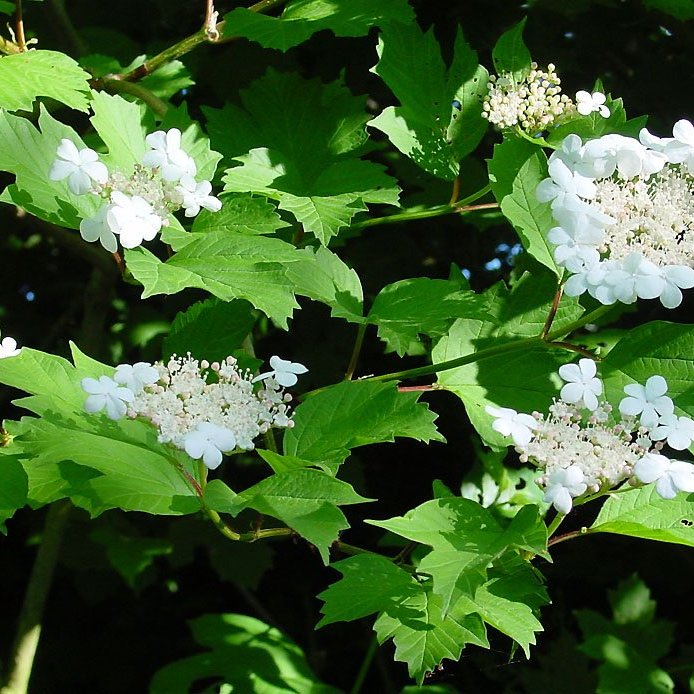
Guelder rose is a hardy, multi-stemmed deciduous shrub grown for its lacecap-like white spring flowers, bright red fall fruit, and attractive autumn color. It works beautifully in mixed borders, wildlife plantings, and informal hedges, especially where the soil stays evenly moist. Gardeners also value it as a traditional medicinal and edible-fruited shrub, though the berries are usually cooked before use.
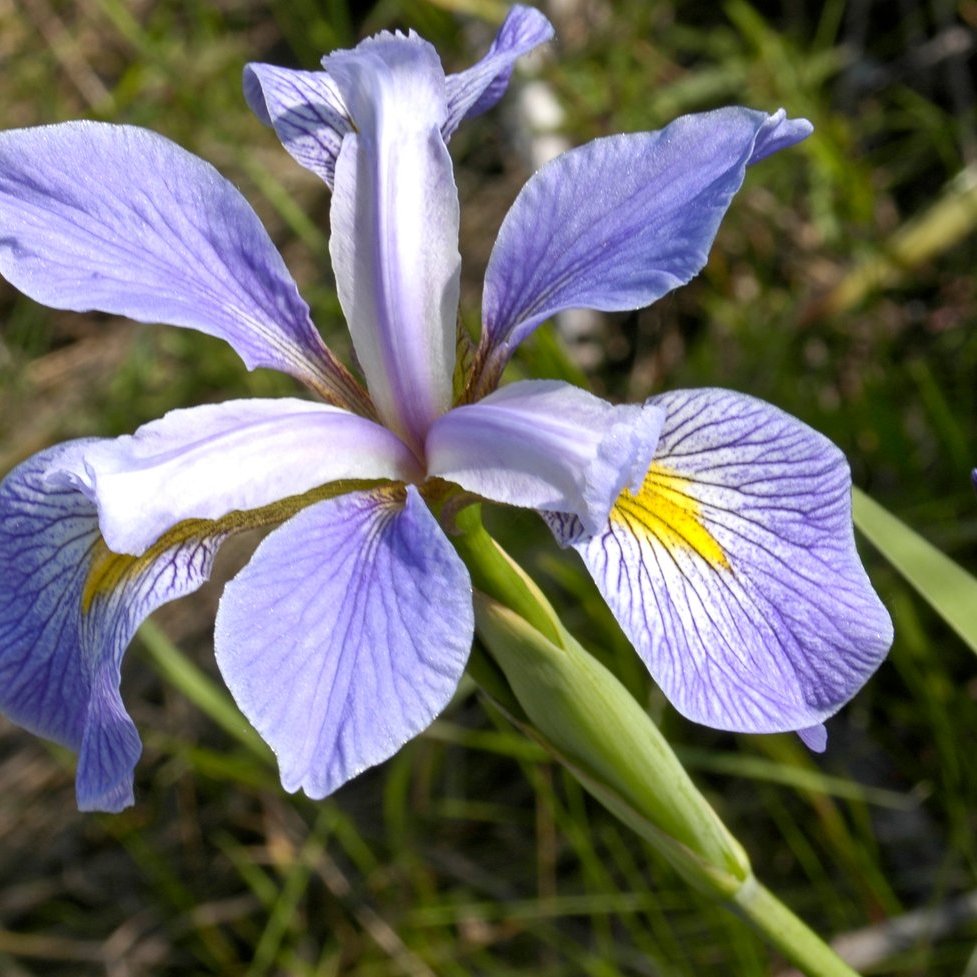
Blue Flag Iris is a striking native perennial with elegant blue-violet flowers that brighten pond edges, rain gardens, and other consistently moist spots. Its sword-like foliage adds structure through the growing season, while the blooms attract pollinators and bring a natural meadow look to the garden. This plant is especially useful where many ornamentals struggle, such as wet or boggy soils.
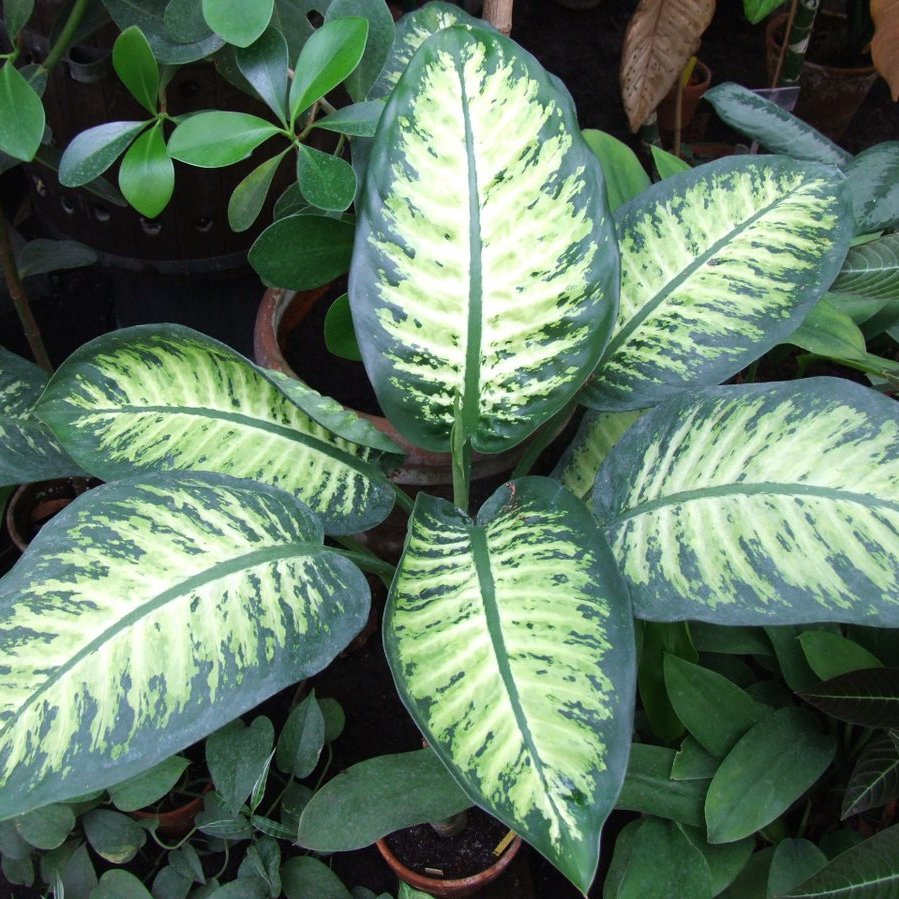
Dumb cane is a bold tropical foliage plant grown for its large, patterned leaves that brighten indoor spaces and shaded gardens in warm climates. It is especially popular as a beginner-friendly houseplant because it tolerates average indoor conditions and adds a lush, tropical look. All parts of the plant are toxic if chewed, so place it carefully away from pets and children.

Giant timber bamboo is a dramatic, towering bamboo grown for its bold canes, lush evergreen foliage, and useful edible shoots. It makes an impressive privacy screen, windbreak, or specimen planting in larger landscapes. For gardeners with enough space and a plan for containment, it is a fast-growing and rewarding plant.
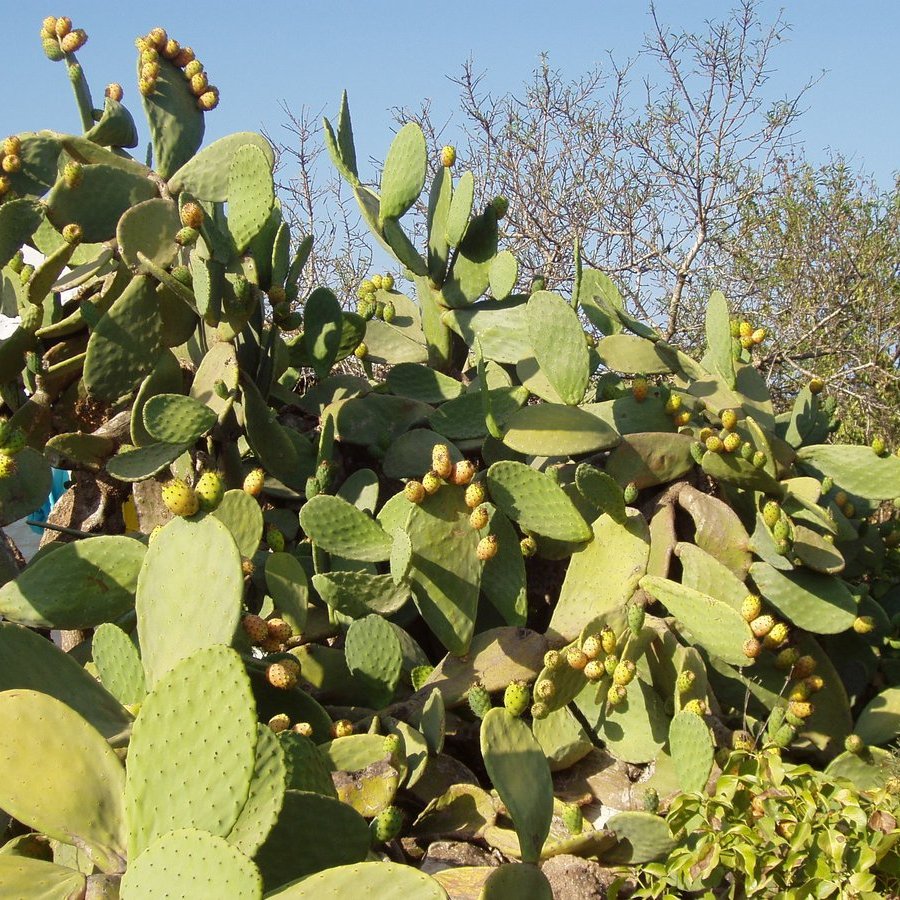
Prickly pear is a bold, architectural cactus grown for its paddle-shaped stems, colorful flowers, and edible fruits and pads. It thrives in hot, sunny gardens where many other plants struggle, making it a favorite for water-wise landscapes. For home gardeners, it offers both ornamental appeal and a harvest of tender nopales and sweet tuna fruits.
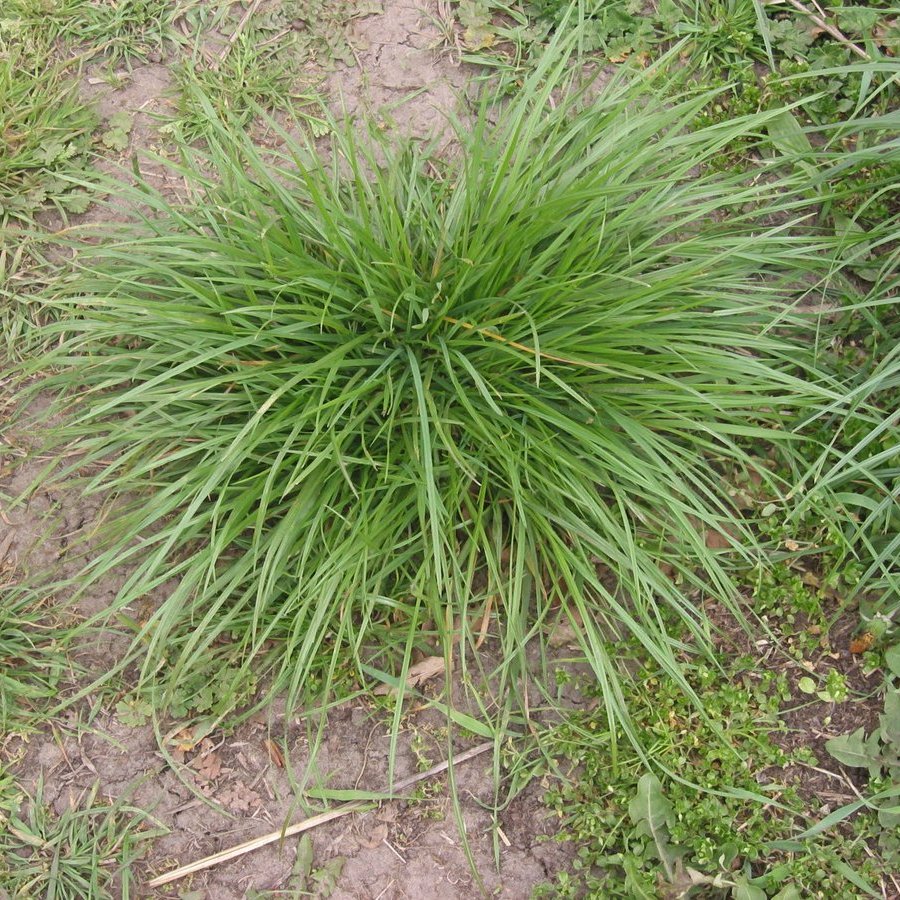
Perennial ryegrass is a fast-establishing cool-season grass widely used for lawns, pasture, and erosion control. Gardeners value it for its fine texture, quick green-up, and ability to cover bare soil in a short time. It performs best in mild, moist conditions and is often used in mixes for durable turf.
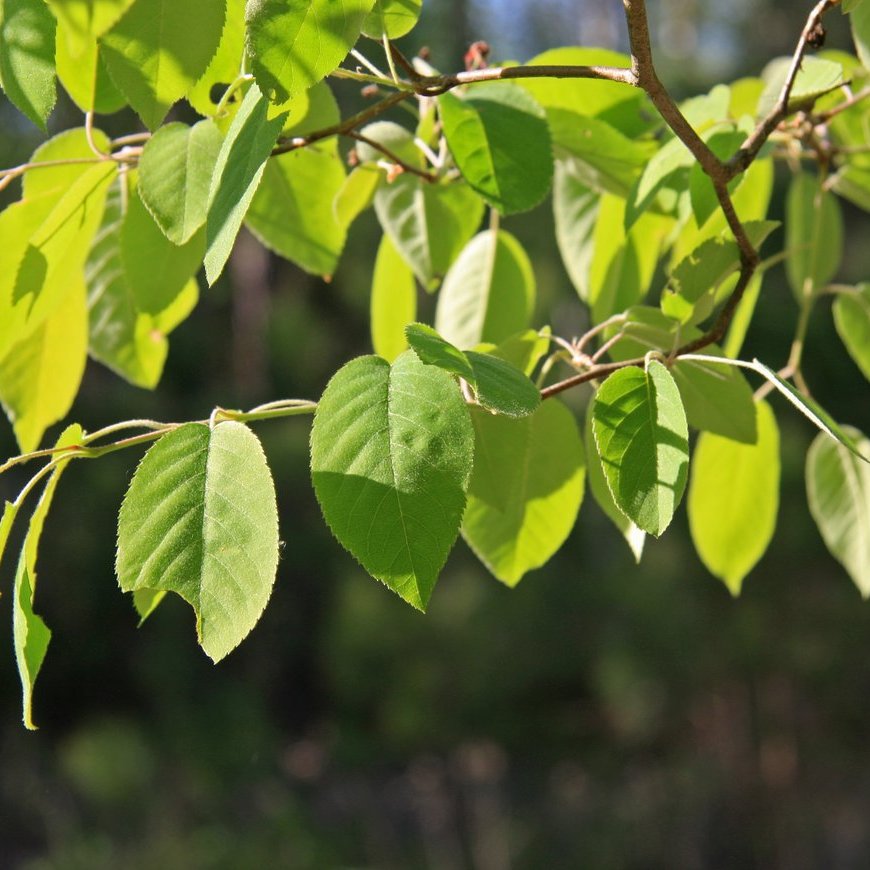
Downy serviceberry is a charming native small tree grown for its clouds of white spring flowers, attractive fall color, and sweet edible berries. It fits beautifully into home landscapes as both an ornamental and a wildlife-friendly plant. Gardeners love it for its natural woodland character and its ability to thrive in a range of garden settings.
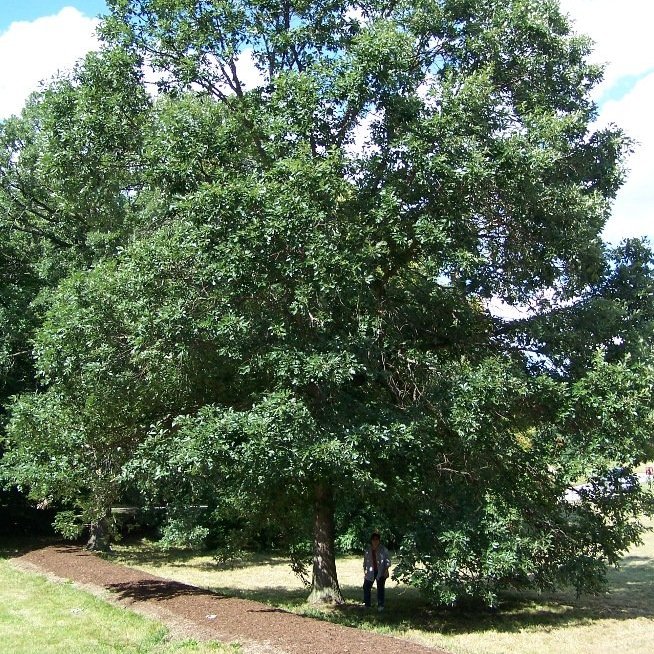
Swamp white oak is a stately native shade tree valued for its handsome rounded form, attractive peeling bark, and glossy green leaves with silvery undersides. It is especially useful in landscapes with heavier or seasonally wet soils where many other oaks struggle. Once established, it becomes a long-lived ornamental and wildlife-friendly tree that adds lasting structure to large yards and naturalized spaces.
 Weekend Plant