Detailed plant profiles with growing tips for weekend gardeners. Browse by category or search for a specific plant to find zone-specific planting advice, care instructions, and troubleshooting help.
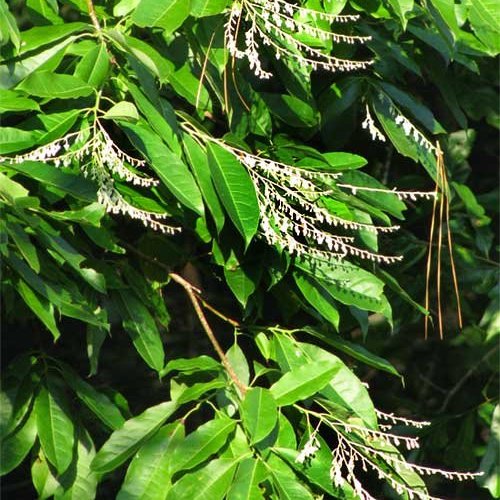
Sourwood is a graceful native tree prized for its drooping clusters of white summer flowers and brilliant red fall color. It is especially loved by pollinators and is famous as a source of premium sourwood honey. For home gardeners, it makes an elegant specimen tree for acidic, well-drained soils.
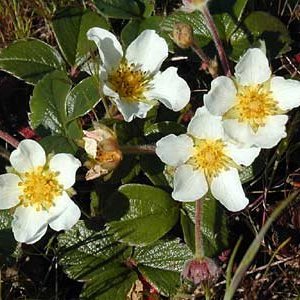
Beach strawberry is a low-growing, spreading perennial strawberry prized for its attractive white flowers, glossy green leaves, and small red edible fruits. It makes an excellent groundcover for sunny to lightly shaded gardens, especially in coastal or sandy sites. For home gardeners, it offers both ornamental appeal and a sweet, wild-style harvest.
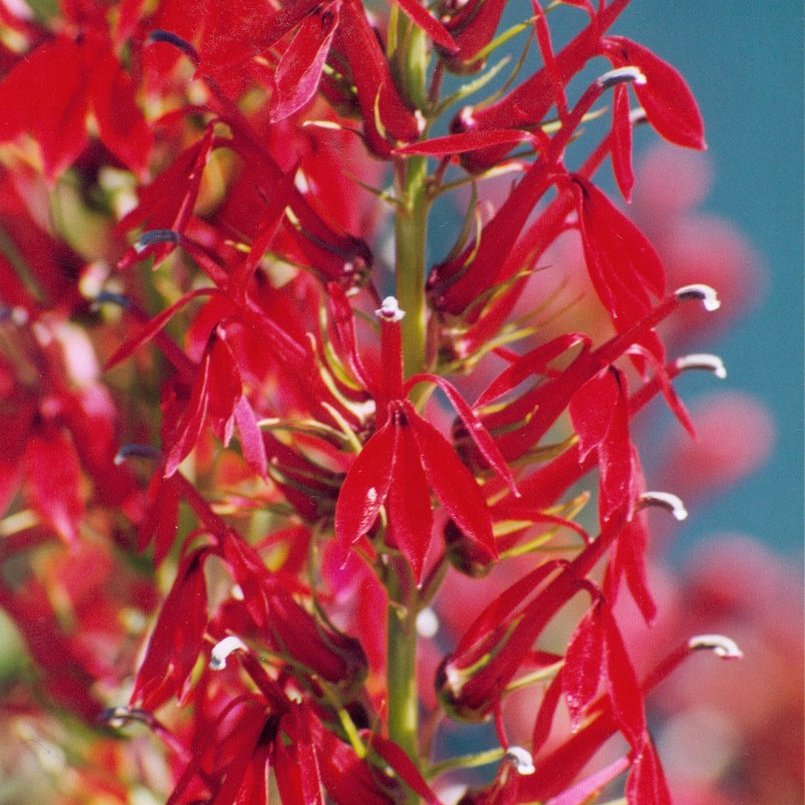
Cardinal flower is a striking native perennial prized for its tall spikes of vivid red blooms that light up damp garden beds in summer. It is especially loved by hummingbirds and fits beautifully into rain gardens, pond edges, and partially shaded borders. Despite its dramatic look, it is quite manageable for beginners when given consistently moist soil.
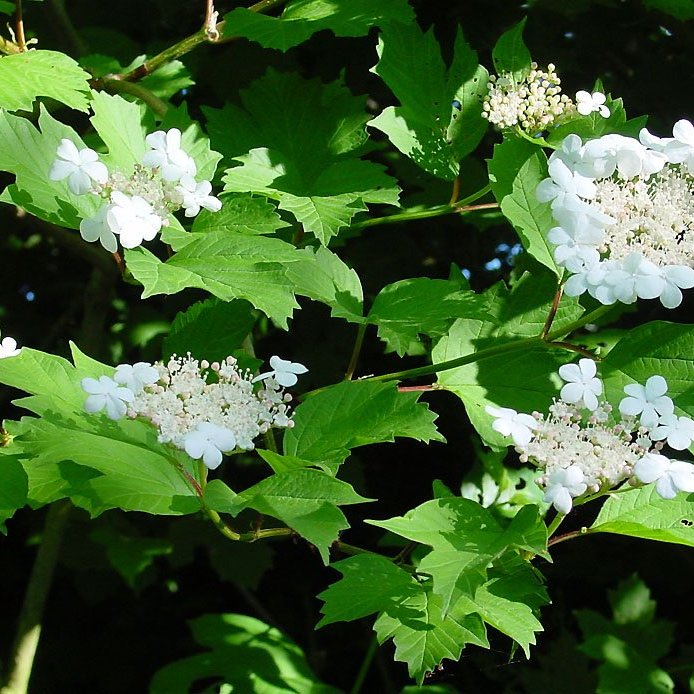
Guelder rose is a hardy, multi-stemmed deciduous shrub grown for its lacecap-like white spring flowers, bright red fall fruit, and attractive autumn color. It works beautifully in mixed borders, wildlife plantings, and informal hedges, especially where the soil stays evenly moist. Gardeners also value it as a traditional medicinal and edible-fruited shrub, though the berries are usually cooked before use.
Sassafras is a distinctive native North American tree known for its aromatic bark, roots, and uniquely shaped leaves that can appear oval, mitten-shaped, or three-lobed on the same plant. It brings strong seasonal interest with yellow spring flowers, blue summer fruits on red stalks, and glowing fall color. For home gardeners, it is a handsome choice for naturalized landscapes, wildlife plantings, and spacious native gardens.
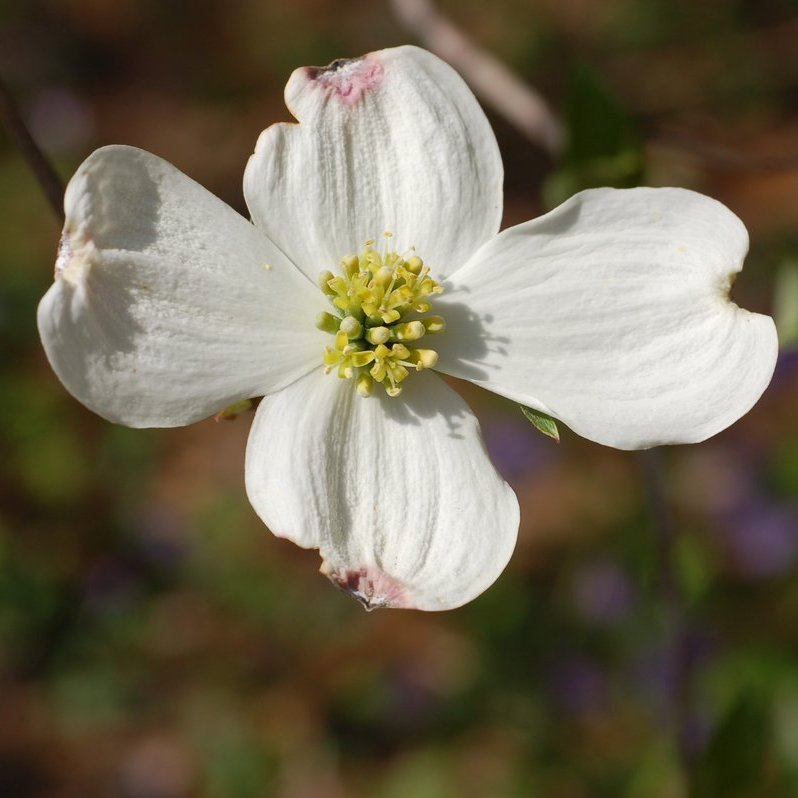
Flowering dogwood is a beloved small native tree grown for its showy white spring bracts, red fall fruit, and rich autumn color. It fits beautifully into home landscapes as a specimen tree, woodland edge planting, or wildlife-friendly accent. With the right siting and steady moisture, it rewards gardeners with year-round beauty.
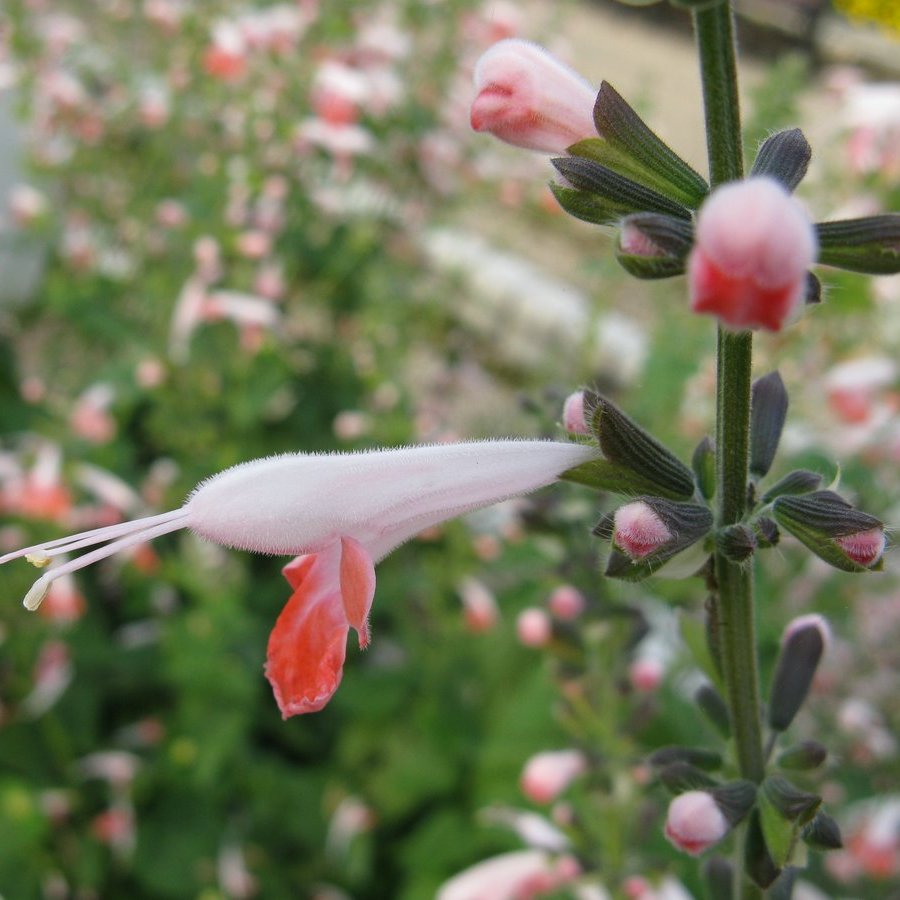
Scarlet sage is a cheerful, easy-growing flowering salvia prized for its bright red blooms and long season of color. It attracts hummingbirds, butterflies, and other pollinators, making it a favorite for cottage gardens, borders, and wildlife plantings. In warm climates it may behave as a short-lived perennial, while in cooler areas it is often grown as an annual.
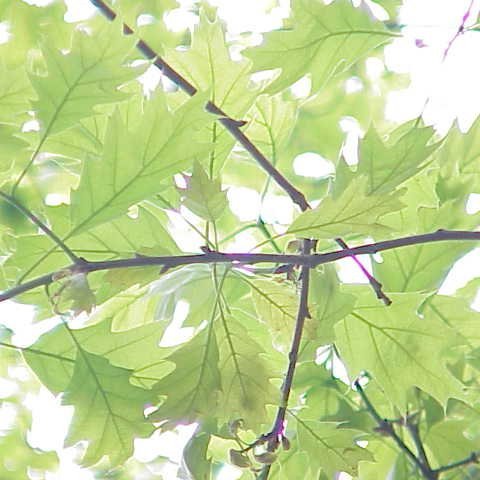
Northern red oak is a stately native shade tree valued for its strong branching structure, handsome lobed leaves, and rich red to russet fall color. It grows into a large, long-lived landscape tree that supports wildlife while also providing cooling shade for big yards and parks. Best suited to gardeners with space, it rewards patience with decades of beauty and ecological value.
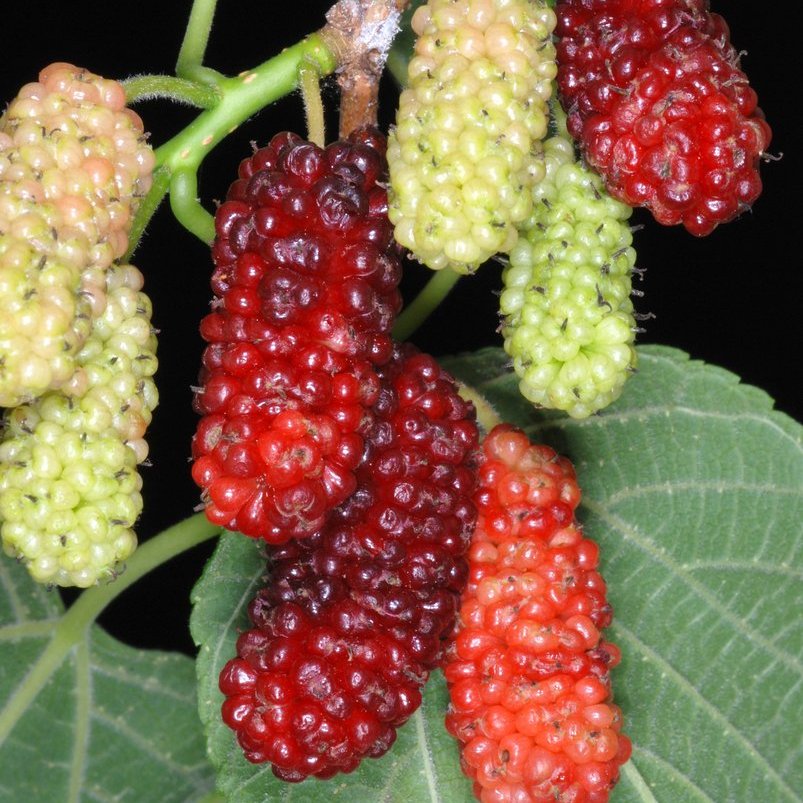
Red mulberry is a large native fruiting tree valued for its sweet, blackberry-like fruits and its ability to support birds and other wildlife. It grows into a broad, rounded shade tree and adapts to a wide range of soils, making it a rewarding choice for larger home landscapes. Gardeners who have room for it will enjoy both its ornamental presence and its abundant edible harvest.
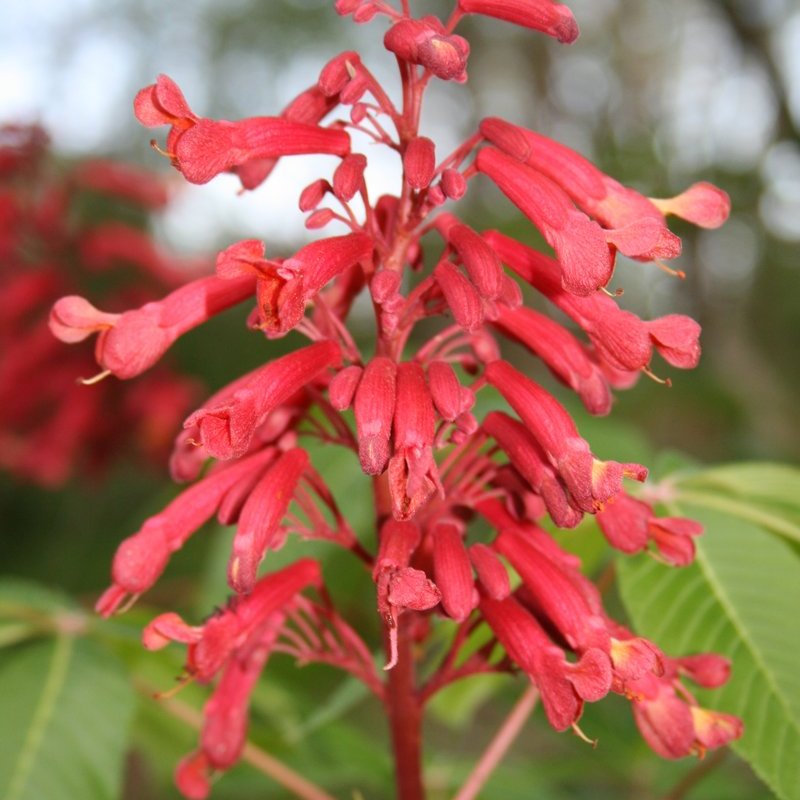
Red buckeye is a small native tree prized for its bold red spring flowers and tidy, rounded form. It is especially valuable in wildlife-friendly landscapes, where its nectar-rich blooms attract hummingbirds and early pollinators. This ornamental species performs best in moist soils and can handle more shade than many flowering trees.
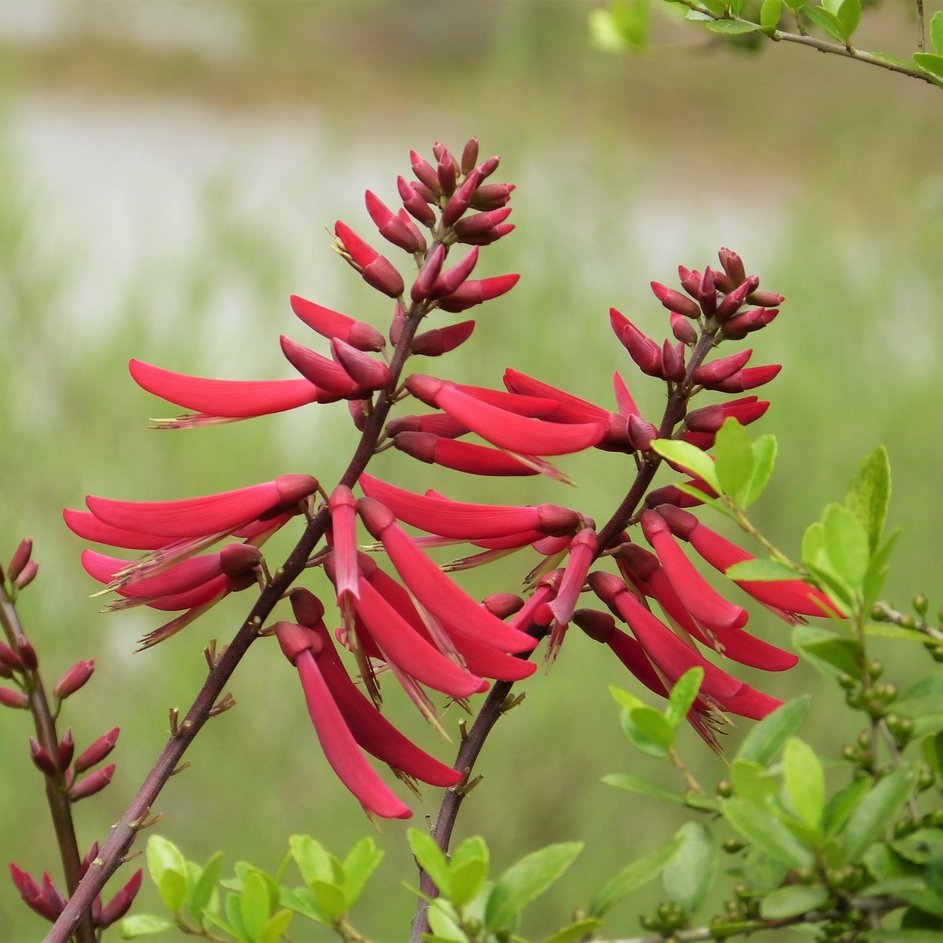
Coral bean is a striking native shrub or herbaceous subshrub grown for its vivid red, tubular flowers and bold tropical look. It attracts hummingbirds and adds bright seasonal color to warm-climate gardens with relatively little care. In colder parts of its range, it may die back to the ground in winter and return from the roots in spring.
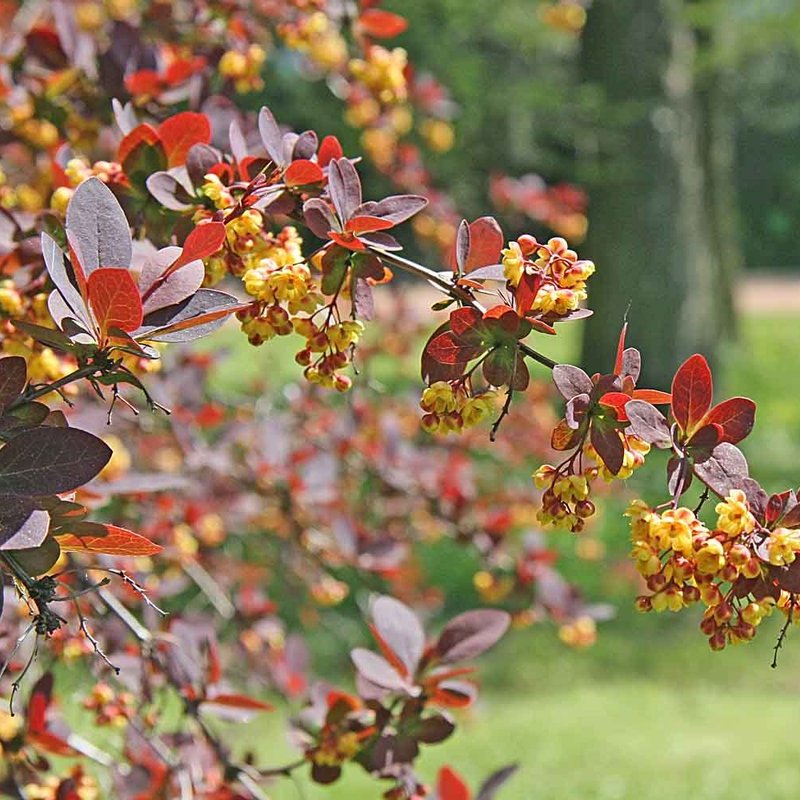
Japanese barberry is a dense, thorny deciduous shrub grown for its tidy form, small yellow spring flowers, and bright red berries that often persist into winter. It is easy to grow in a wide range of soils and is valued for hedges, barriers, and seasonal color. Gardeners should note that it is considered invasive in many parts of North America, so planting may be restricted or discouraged in some areas.
 Weekend Plant