Detailed plant profiles with growing tips for weekend gardeners. Browse by category or search for a specific plant to find zone-specific planting advice, care instructions, and troubleshooting help.
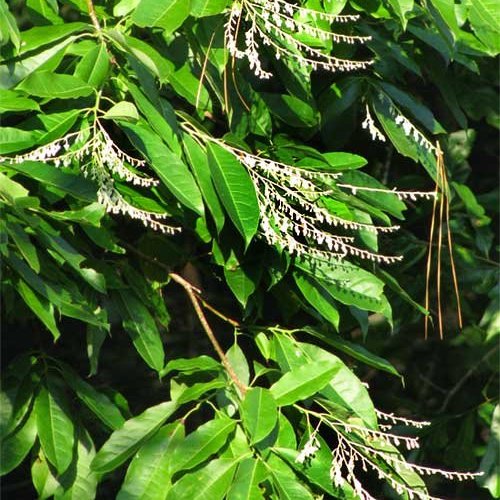
Sourwood is a graceful native tree prized for its drooping clusters of white summer flowers and brilliant red fall color. It is especially loved by pollinators and is famous as a source of premium sourwood honey. For home gardeners, it makes an elegant specimen tree for acidic, well-drained soils.
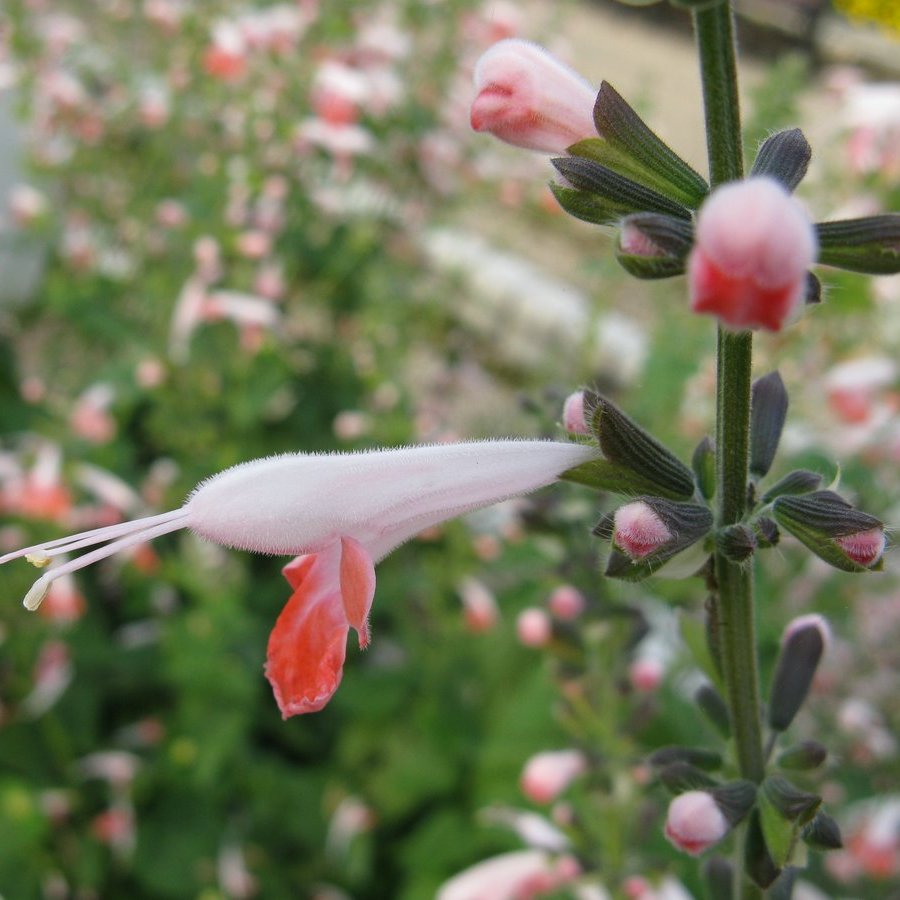
Scarlet sage is a cheerful, easy-growing flowering salvia prized for its bright red blooms and long season of color. It attracts hummingbirds, butterflies, and other pollinators, making it a favorite for cottage gardens, borders, and wildlife plantings. In warm climates it may behave as a short-lived perennial, while in cooler areas it is often grown as an annual.
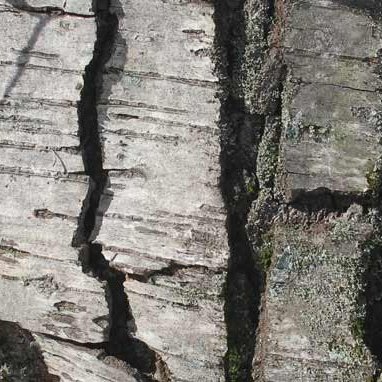
Black birch is a handsome native deciduous tree valued for its glossy bark, graceful form, and spicy wintergreen scent in its twigs. It makes an excellent long-term shade tree for larger landscapes and naturalized plantings. Gardeners also appreciate its wildlife value and strong adaptation to eastern North American woodland conditions.
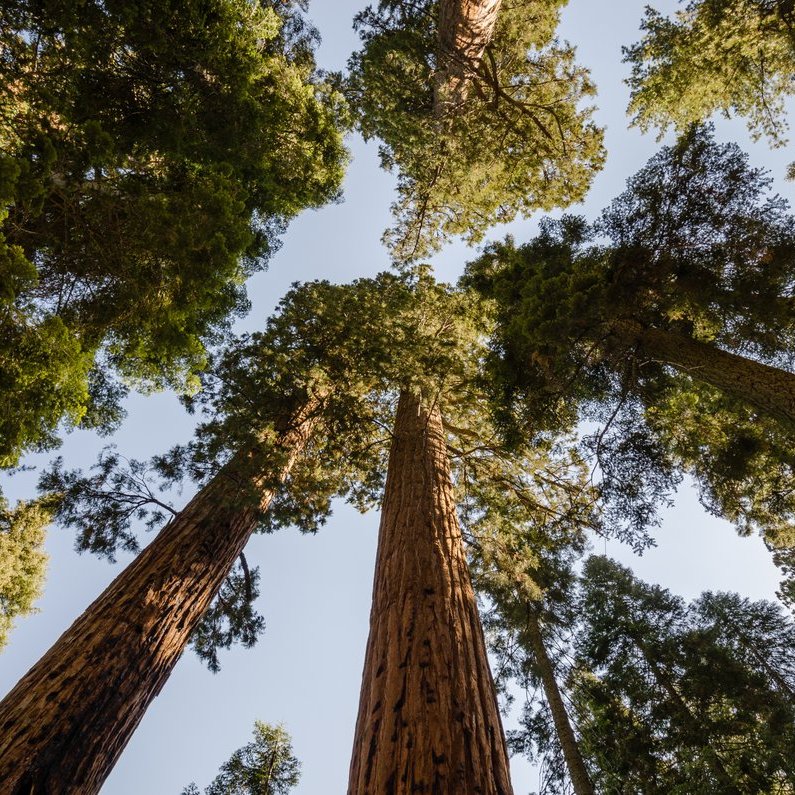
Giant sequoia is one of the most awe-inspiring trees a gardener can grow, prized for its massive size, reddish bark, and stately conical form. While it is best suited to large properties, parks, and arboretum-style landscapes, young trees can make striking specimen plantings in the right climate. This evergreen conifer is long-lived and ornamental, offering year-round structure and a strong sense of permanence in the landscape.
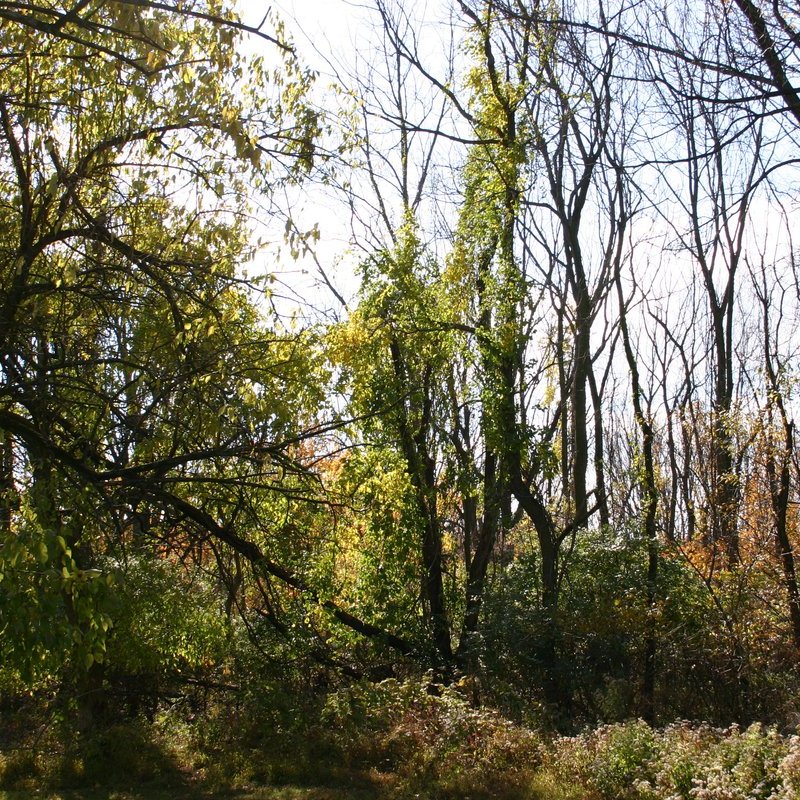
Osage orange is a tough, adaptable deciduous tree best known for its large, wrinkled green-to-orange fruits and dense, thorny branching. It has long been valued for living fences, windbreaks, and its exceptionally durable wood. For home gardeners, it is a striking choice where a rugged, low-maintenance tree or barrier planting is needed.
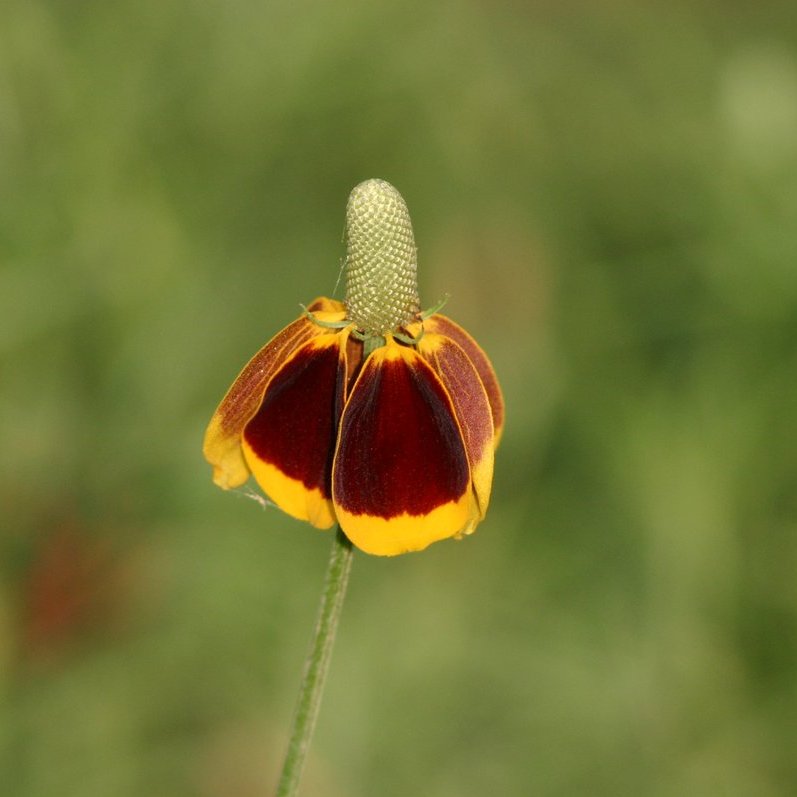
Mexican hat is a cheerful native wildflower known for its distinctive sombrero-shaped blooms in warm shades of yellow and reddish brown. It brings a relaxed prairie look to sunny beds, borders, and meadow plantings while attracting bees and butterflies. Once established, it is a dependable perennial for gardeners who want long-lasting color with relatively little fuss.
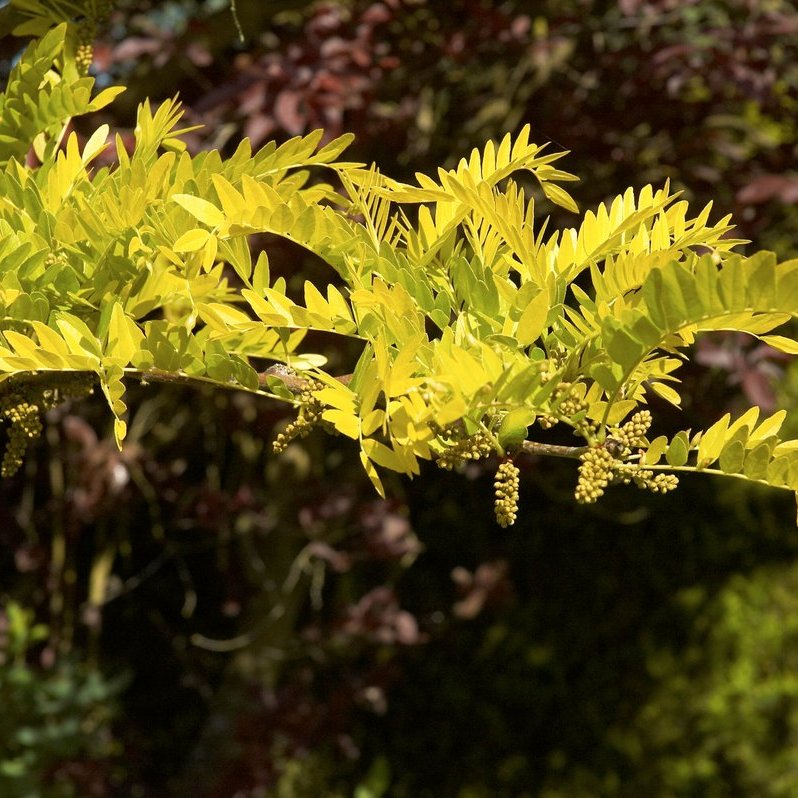
Honey locust is a fast-growing deciduous shade tree valued for its airy canopy, fine-textured foliage, and adaptability to tough growing conditions. It is widely planted in landscapes because it tolerates heat, drought, and urban stress better than many other large trees. Thornless selections are especially popular for home gardens, while the species is also known for its long seed pods and rugged character.
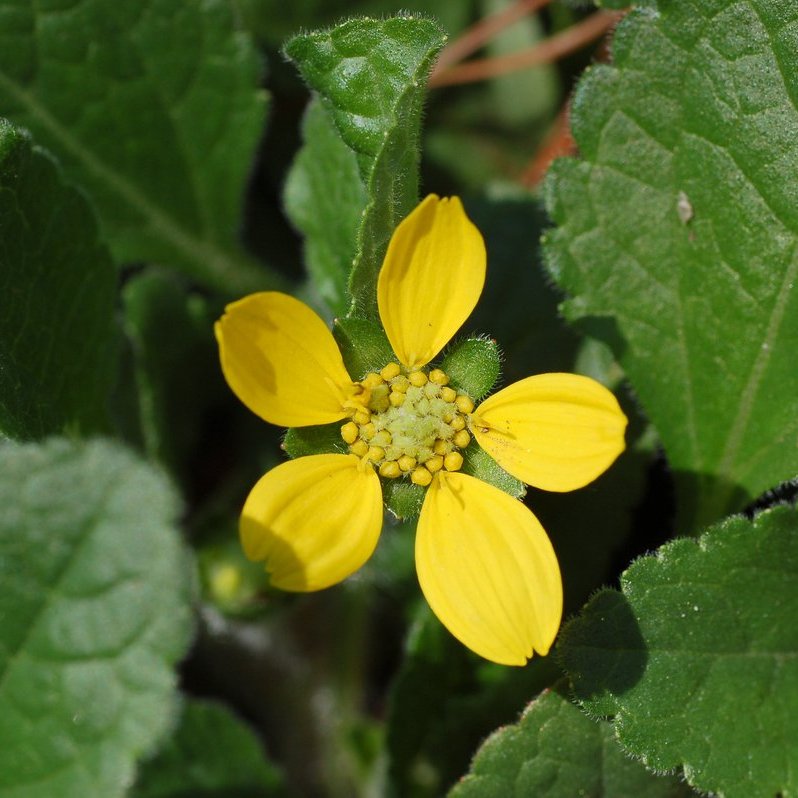
Green-and-gold is a cheerful native perennial ground cover prized for its bright yellow, starry flowers and tidy green foliage. It spreads gently to form a low carpet, making it a lovely choice for woodland edges, shaded borders, and naturalistic plantings. Easy to grow and beginner-friendly, it brings long-lasting color to spots where many flowering plants struggle.
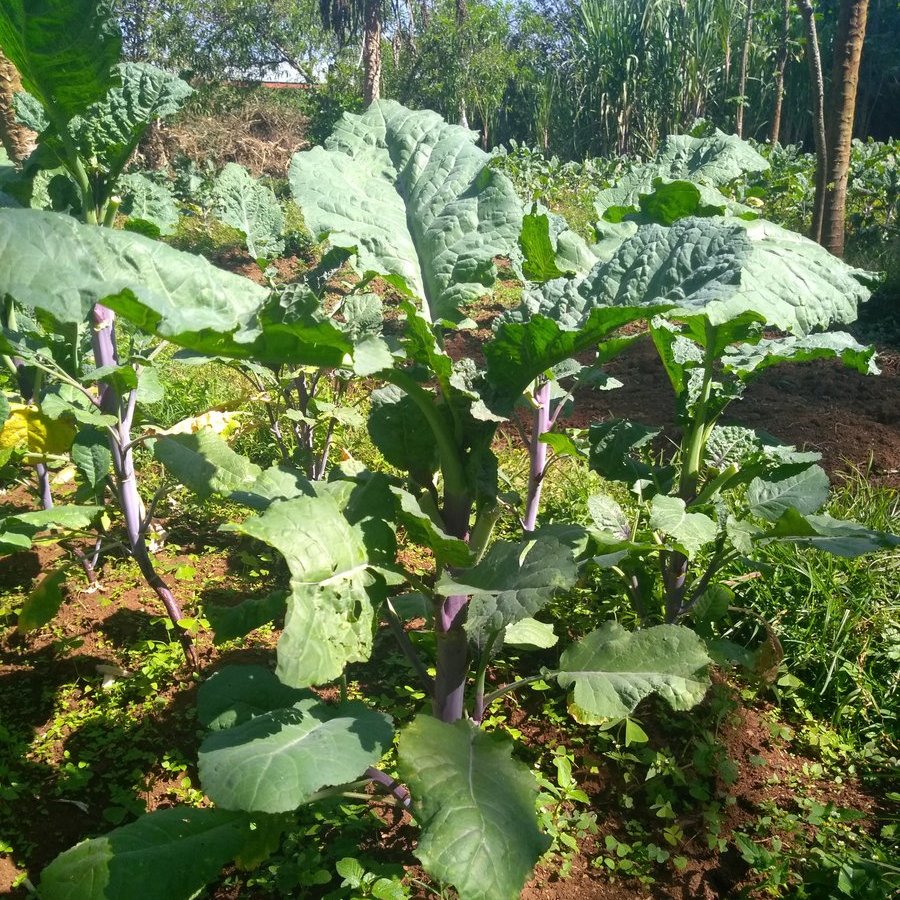
Ethiopian mustard is a fast-growing brassica grown for its nutritious leafy greens and, in some regions, for oilseed production. It has a bold, mustard-like flavor and performs especially well in cool weather, making it a useful crop for spring and fall gardens. Home gardeners appreciate its vigor, productivity, and versatility in the kitchen.
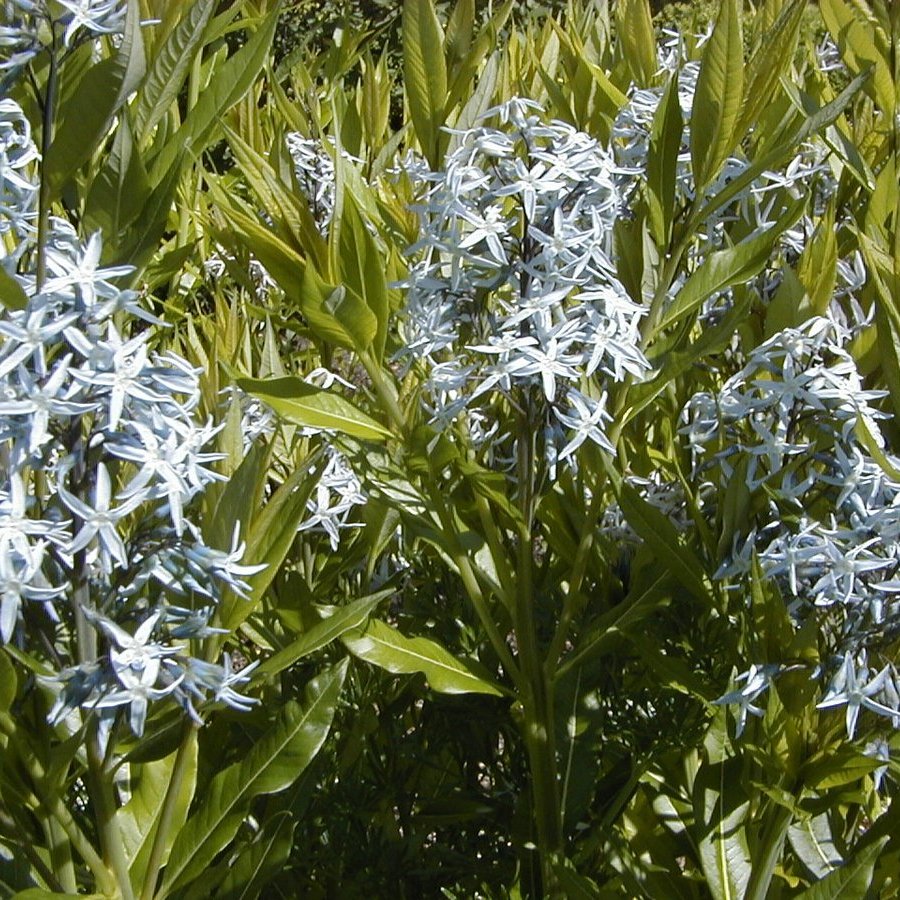
Bluestar is a dependable native perennial grown for its clusters of soft, star-shaped blue flowers and its fine-textured foliage. It brings long-lasting garden value, blooming in spring and often turning a rich golden yellow in fall. Easy to grow and adaptable, it fits beautifully into borders, pollinator gardens, and naturalistic plantings.
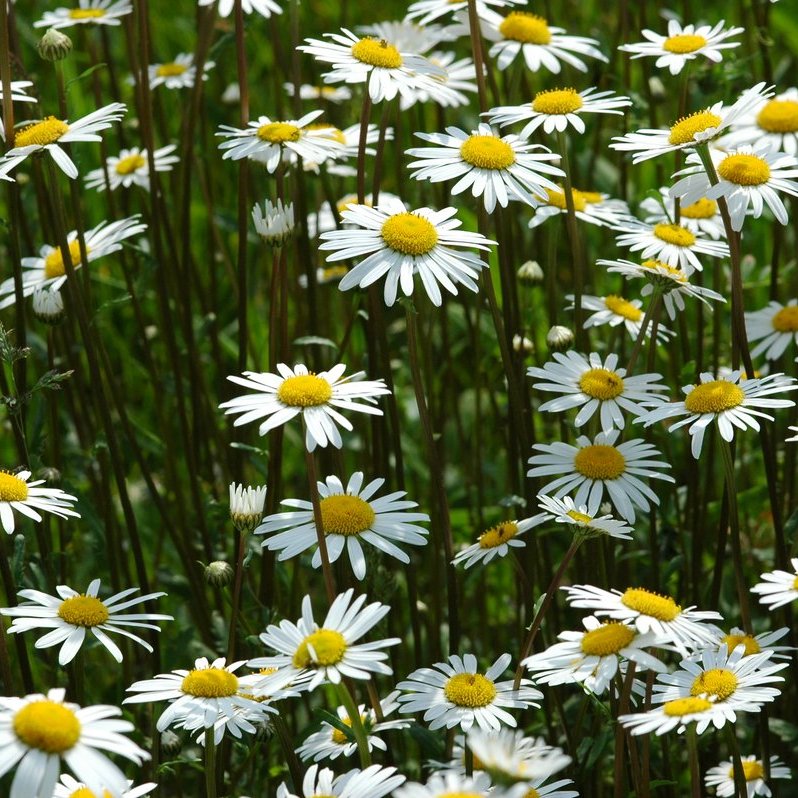
Oxeye daisy is a cheerful perennial wildflower with classic white petals and sunny yellow centers that brighten borders, cottage gardens, and naturalized spaces. It is easy to grow in average soils and tolerates lean conditions where many other flowers struggle. While attractive and useful for pollinators, it can spread aggressively in some regions, so gardeners should plant it thoughtfully.
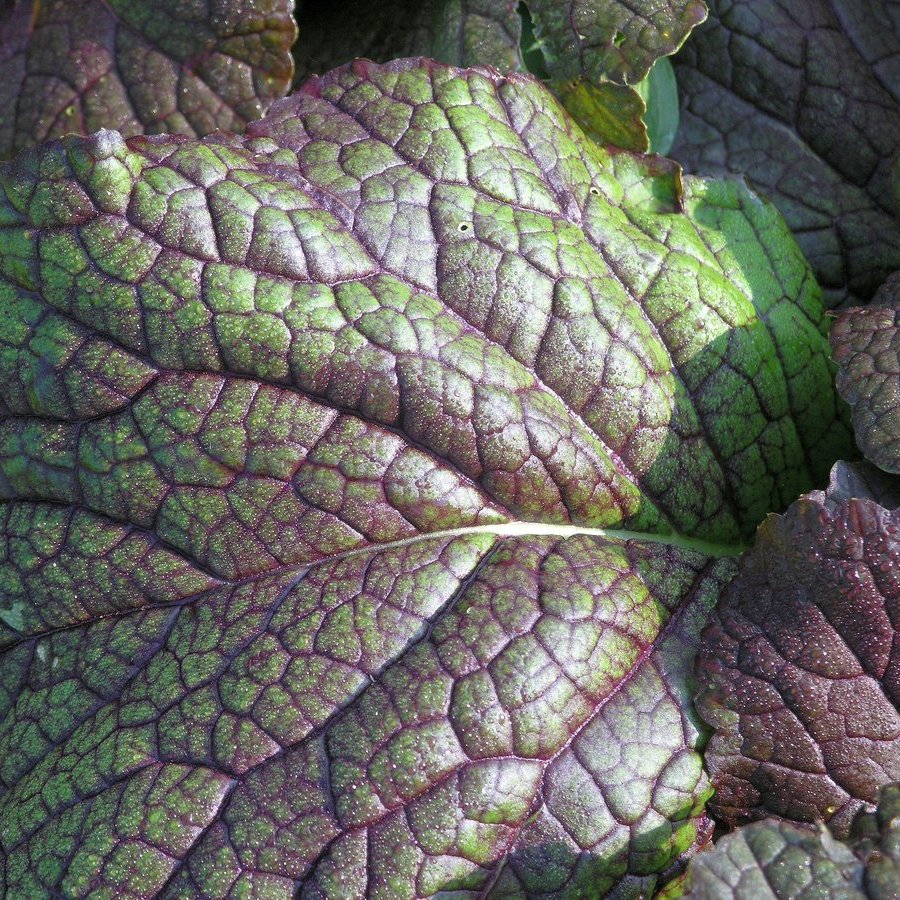
Mustard greens are fast-growing brassicas grown for their peppery leaves, tender stems, and sometimes their flavorful seeds. They bring bold taste and lush texture to cool-season gardens, with many forms ranging from frilly leaf types to broad, smooth-leaved varieties. Easy to grow from seed, they are a great choice for beginner gardeners who want quick harvests and productive beds.
 Weekend Plant