Detailed plant profiles with growing tips for weekend gardeners. Browse by category or search for a specific plant to find zone-specific planting advice, care instructions, and troubleshooting help.
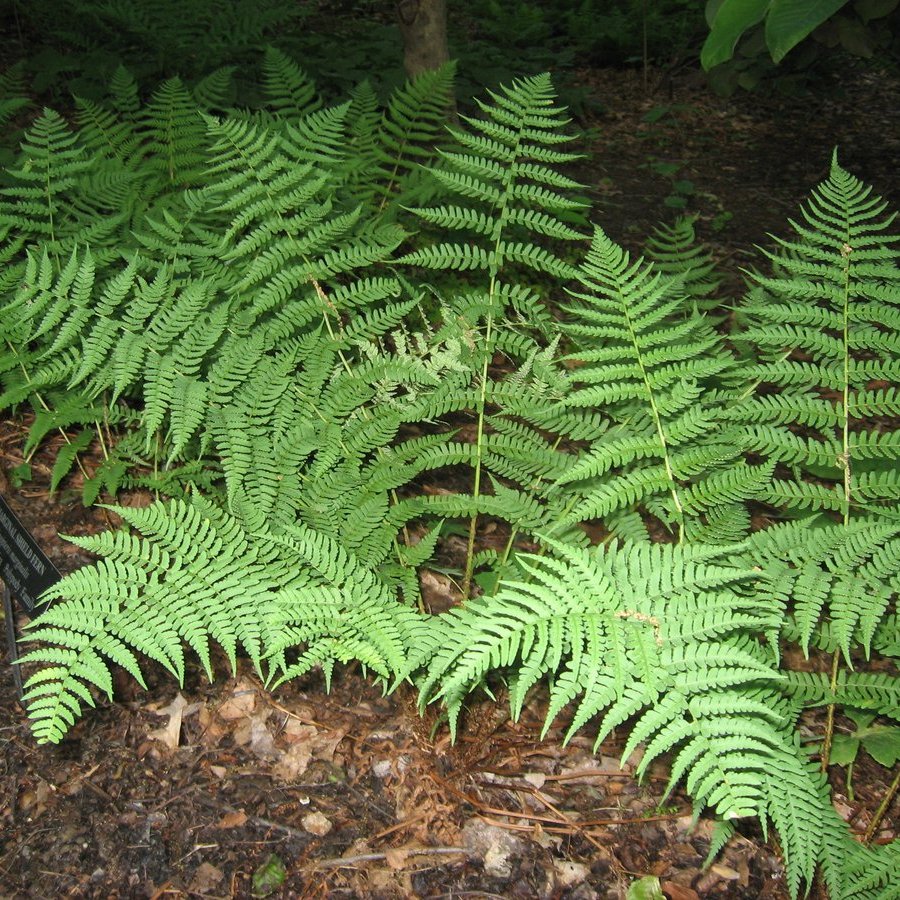
Marginal wood fern is a handsome native evergreen fern valued for its tidy, leathery fronds and dependable performance in shady gardens. It brings year-round texture to woodland borders, rock gardens, and naturalized plantings. This fern is especially useful for gardeners who want a durable, low-maintenance plant for dry shade or humus-rich forest soils.
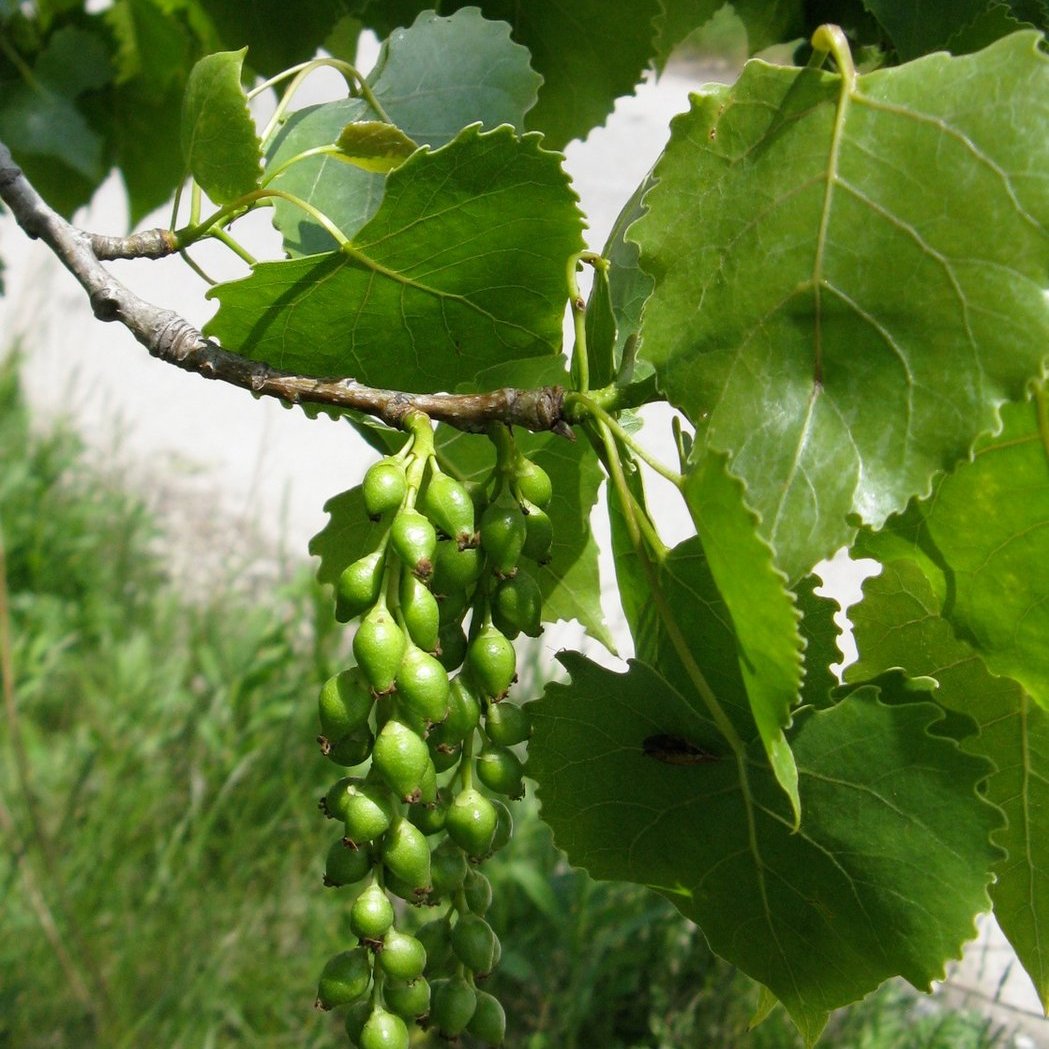
Eastern cottonwood is a towering native shade tree valued for its rapid growth and ability to provide shelter along streams, fields, and large open landscapes. Its triangular leaves shimmer in the breeze, and mature trees quickly create cooling shade for rural properties and restoration plantings. Because it grows large and has vigorous roots, it is best suited to spacious sites away from buildings and pipes.
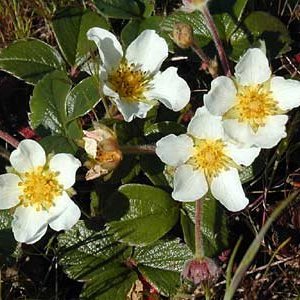
Beach strawberry is a low-growing, spreading perennial strawberry prized for its attractive white flowers, glossy green leaves, and small red edible fruits. It makes an excellent groundcover for sunny to lightly shaded gardens, especially in coastal or sandy sites. For home gardeners, it offers both ornamental appeal and a sweet, wild-style harvest.
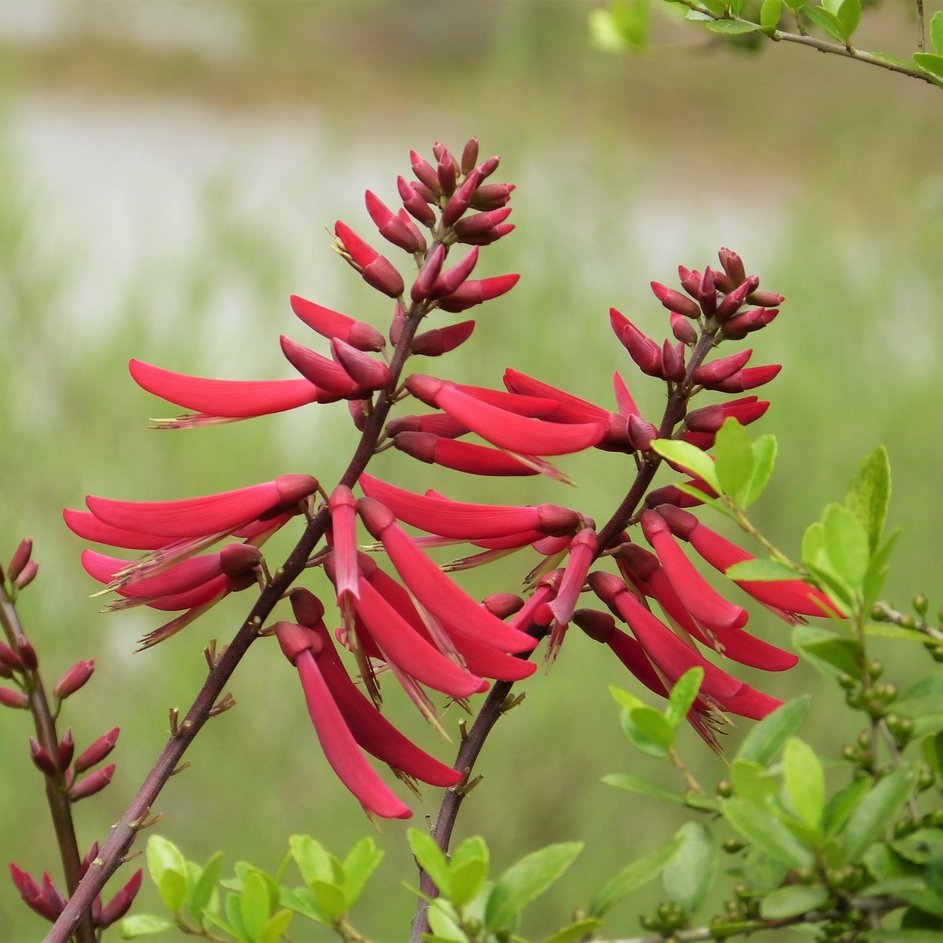
Coral bean is a striking native shrub or herbaceous subshrub grown for its vivid red, tubular flowers and bold tropical look. It attracts hummingbirds and adds bright seasonal color to warm-climate gardens with relatively little care. In colder parts of its range, it may die back to the ground in winter and return from the roots in spring.
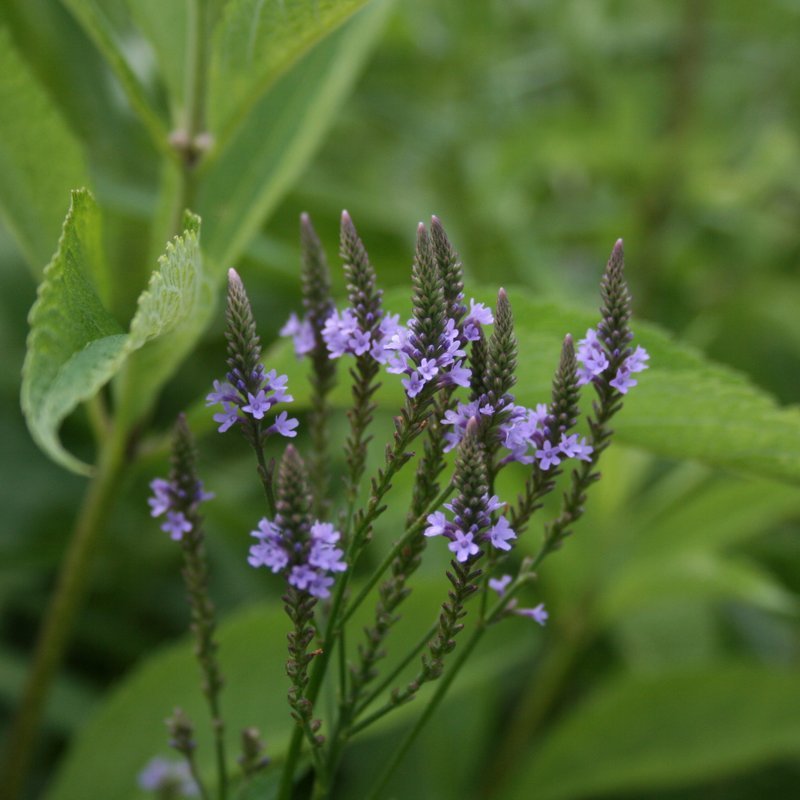
Blue vervain is a tall native wildflower with elegant, upright spikes of small violet-blue blooms that bring a natural meadow look to the garden. It thrives in consistently moist soil and is especially useful for rain gardens, pond edges, and pollinator plantings. Home gardeners value it for its long bloom season, wildlife appeal, and easygoing nature once established.
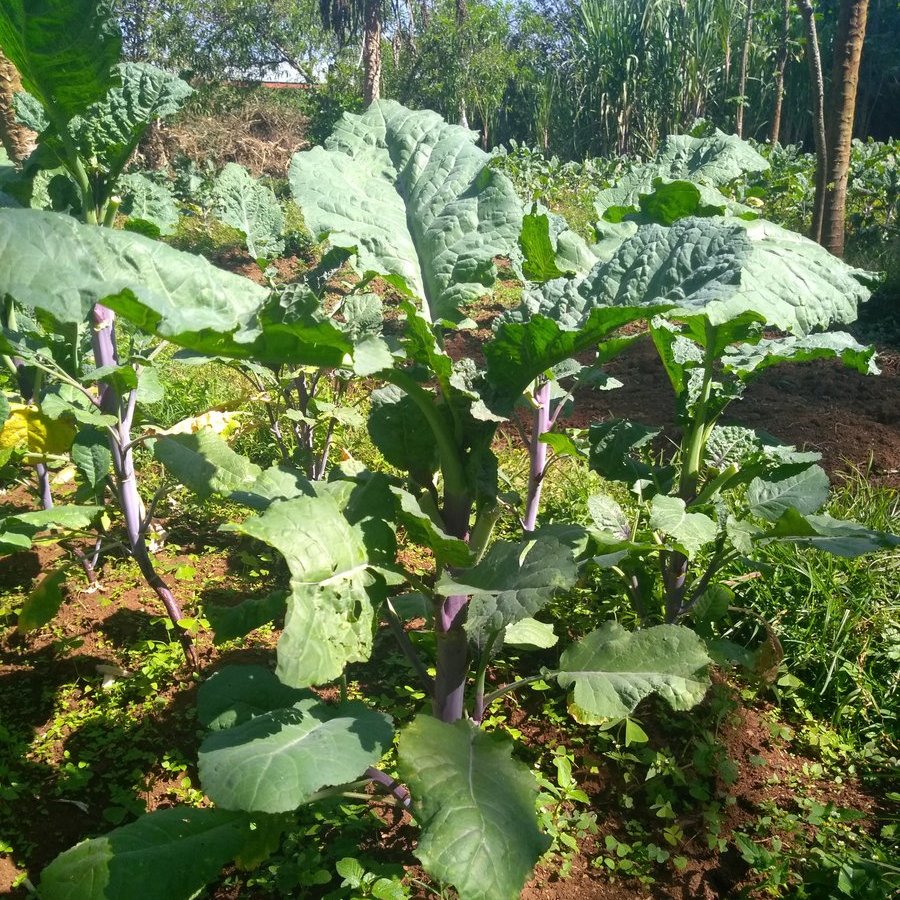
Ethiopian mustard is a fast-growing brassica grown for its nutritious leafy greens and, in some regions, for oilseed production. It has a bold, mustard-like flavor and performs especially well in cool weather, making it a useful crop for spring and fall gardens. Home gardeners appreciate its vigor, productivity, and versatility in the kitchen.
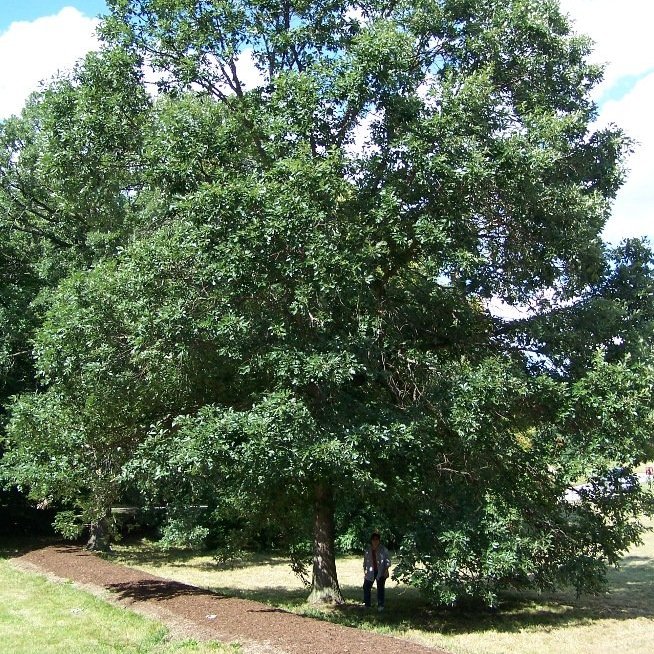
Swamp white oak is a stately native shade tree valued for its handsome rounded form, attractive peeling bark, and glossy green leaves with silvery undersides. It is especially useful in landscapes with heavier or seasonally wet soils where many other oaks struggle. Once established, it becomes a long-lived ornamental and wildlife-friendly tree that adds lasting structure to large yards and naturalized spaces.
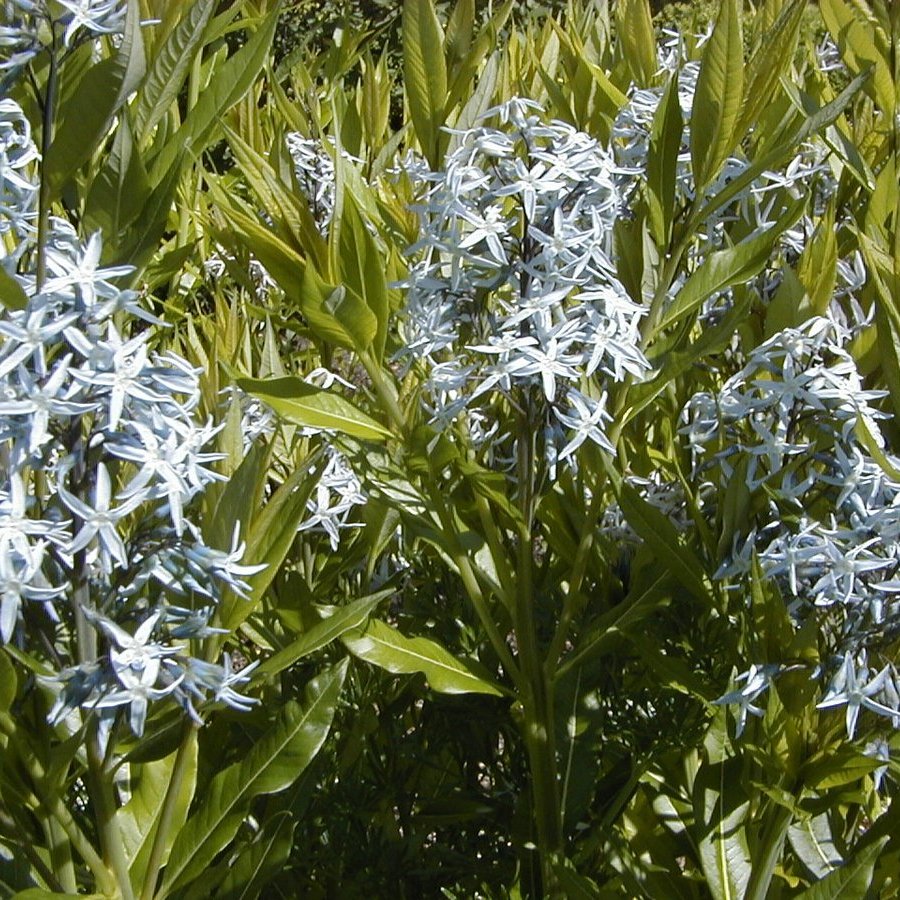
Bluestar is a dependable native perennial grown for its clusters of soft, star-shaped blue flowers and its fine-textured foliage. It brings long-lasting garden value, blooming in spring and often turning a rich golden yellow in fall. Easy to grow and adaptable, it fits beautifully into borders, pollinator gardens, and naturalistic plantings.
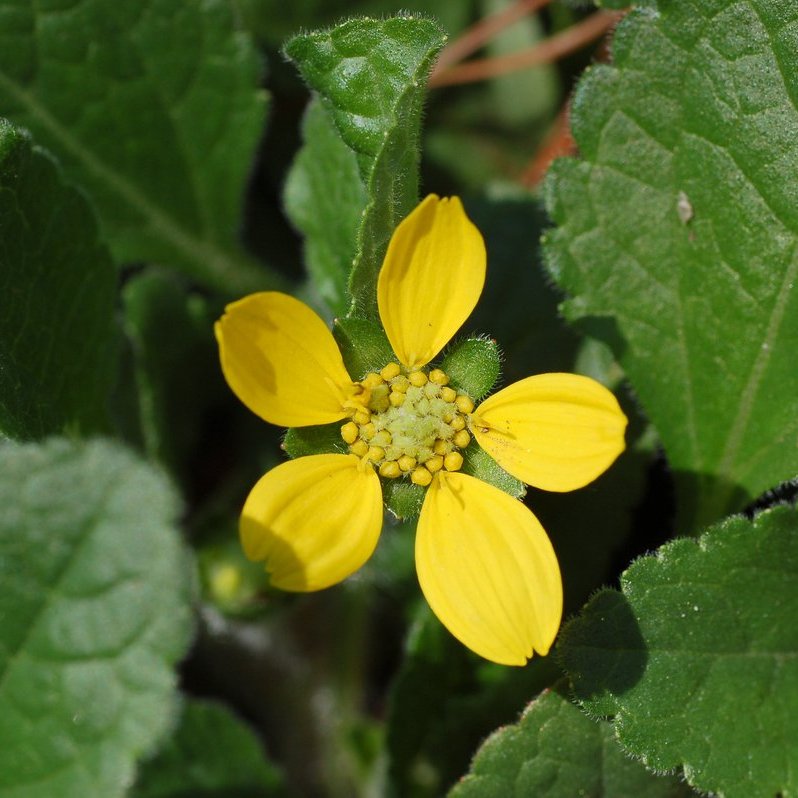
Green-and-gold is a cheerful native perennial ground cover prized for its bright yellow, starry flowers and tidy green foliage. It spreads gently to form a low carpet, making it a lovely choice for woodland edges, shaded borders, and naturalistic plantings. Easy to grow and beginner-friendly, it brings long-lasting color to spots where many flowering plants struggle.
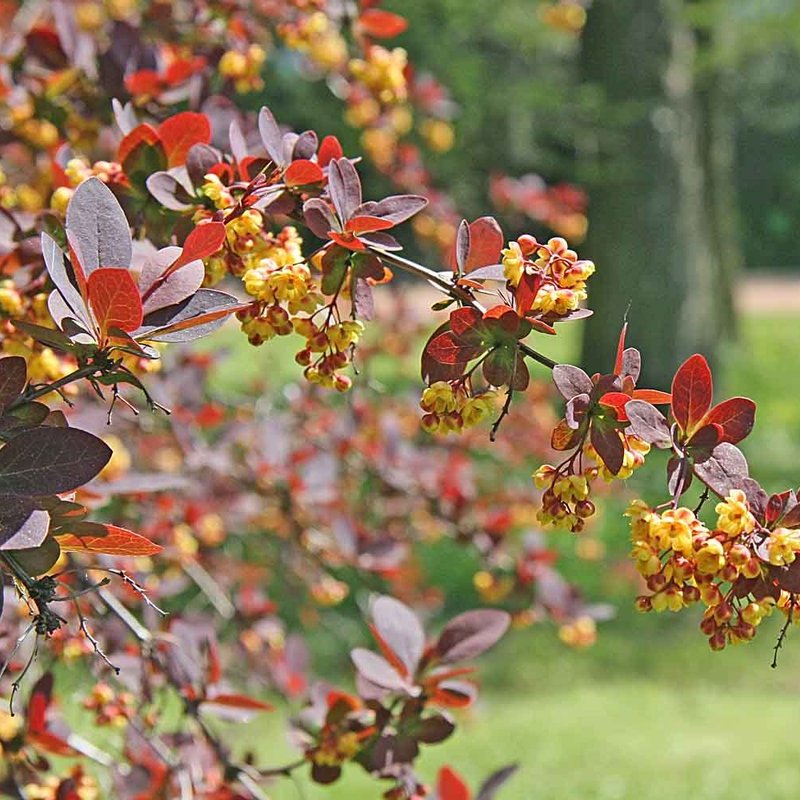
Japanese barberry is a dense, thorny deciduous shrub grown for its tidy form, small yellow spring flowers, and bright red berries that often persist into winter. It is easy to grow in a wide range of soils and is valued for hedges, barriers, and seasonal color. Gardeners should note that it is considered invasive in many parts of North America, so planting may be restricted or discouraged in some areas.
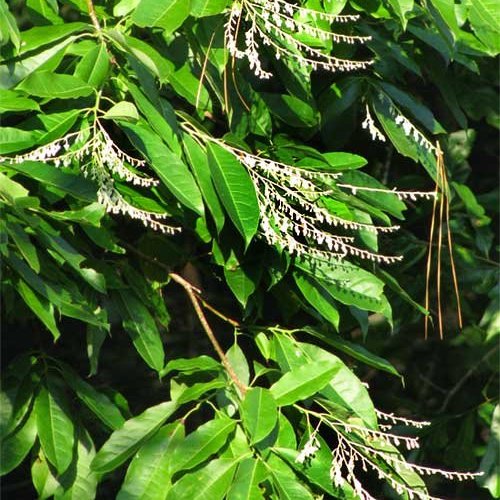
Sourwood is a graceful native tree prized for its drooping clusters of white summer flowers and brilliant red fall color. It is especially loved by pollinators and is famous as a source of premium sourwood honey. For home gardeners, it makes an elegant specimen tree for acidic, well-drained soils.
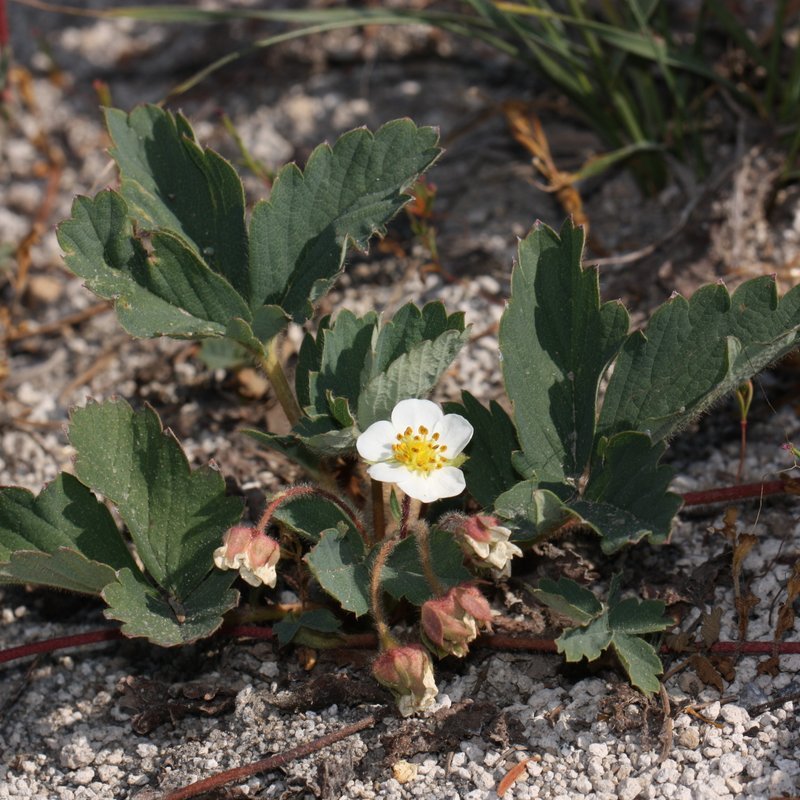
Wild strawberry is a charming, low-growing perennial that produces small, intensely flavored berries far sweeter and more aromatic than many supermarket strawberries. Its neat green foliage, white flowers, and spreading habit make it a lovely choice for edible borders, woodland gardens, and containers. Easy to tuck into small spaces, it rewards gardeners with both beauty and delicious fruit.
 Weekend Plant